Nuclear in the Spotlight amid Oil, Gas Crunch
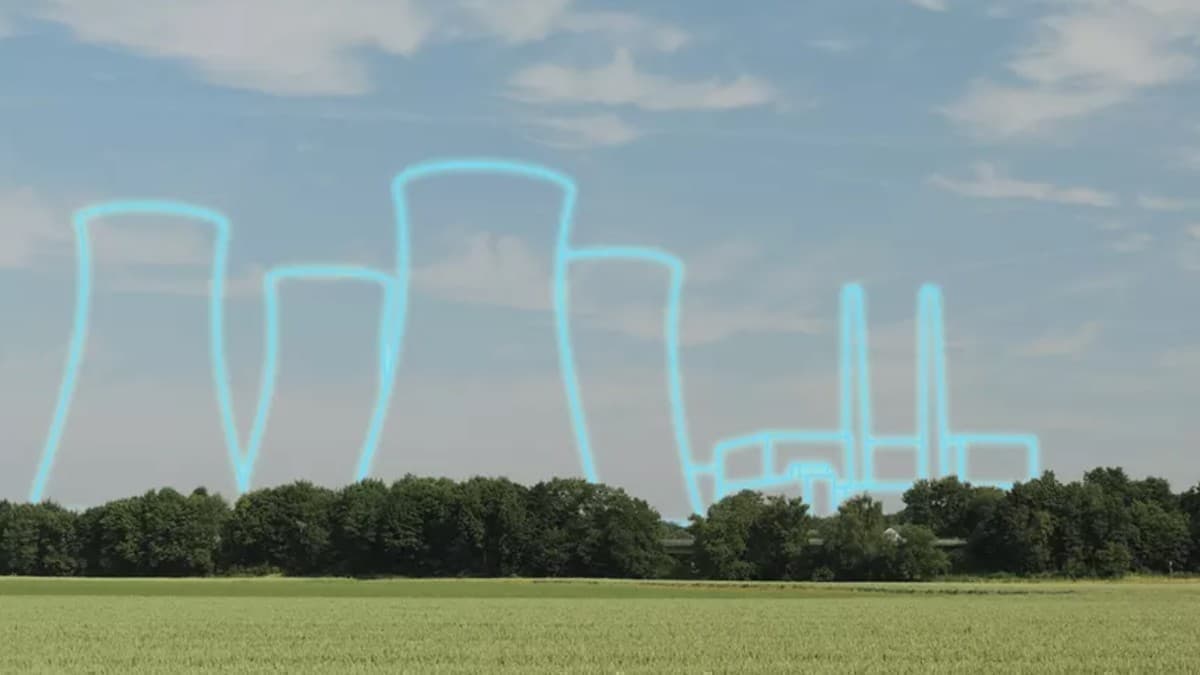
Why it matters: Global energy security concerns are rapidly accelerating a nuclear power renaissance, reversing decades of policy.
- European Commission President Ursula von der Leyen admitted Europe's anti-nuclear stance was a "strategic mistake" and pledged 200 million euro for "innovative nuclear technologies," while also advising member countries to extend the lives of existing nuclear power plants.
- French President Emmanuel Macron urged Europe to build more nuclear power, emphasizing its role in achieving both energy independence and decarbonization.
- Wood Mackenzie predicts the Middle Eastern crisis will accelerate Japan and South Korea's long-term shift towards nuclear power, with coal providing short-term energy security, despite their limited direct exposure to the crisis's fallout.
- Japan has already restarted five nuclear reactors since 2022, adding 4.6 GW of baseload capacity, while South Korea shows strong public and political support for nuclear expansion.
- Small modular reactors (SMRs) are a key focus of "innovative nuclear technologies" but face significant implementation challenges, making the restart of existing large-scale capacity a more immediate solution.
Amidst the Middle Eastern crisis and its impact on oil and gas supplies, nuclear energy is experiencing a global resurgence, with leaders like Ursula von der Leyen and Emmanuel Macron advocating for its expansion and the extension of existing plant lifespans, a stark reversal from previous anti-nuclear stances. While innovative small modular reactors are gaining media attention, their real-world implementation faces challenges, prompting a focus on restarting existing large-scale capacity, particularly in Japan and South Korea.