ESPN Exposes Abuse in Argentina Youth Soccer — SkimNews

SkimNews Take
With roughly 60% of boys contacted by predators across multiple clubs, the pattern suggests predation is a predictable output of the pension system's design—informal housing, family separation, and club dependency—rather than an aberration that better screening could catch.
Get the Sports newsletter
Daily sports — scores, transfers, the storylines from the leagues you actually follow. Free.
- Argentina's youth soccer system houses thousands of boys in unregulated pensiones, where they live in overcrowded, inhumane conditions while pursuing professional careers, often separated from families and surviving on inadequate food.
- María Soledad Garibaldi, lead investigator in the Independiente abuse case, found that approximately 60% of youth players across eight clubs had been victims of grooming, with over a dozen sexually abused, many lured via social media by predators exploiting their vulnerability.
- El Zurdo, a guardian operating a pensión on Gallardo Street, housed 36 boys without permits despite a 10-day eviction notice after a police raid, continuing to run the facility two years later with no oversight.
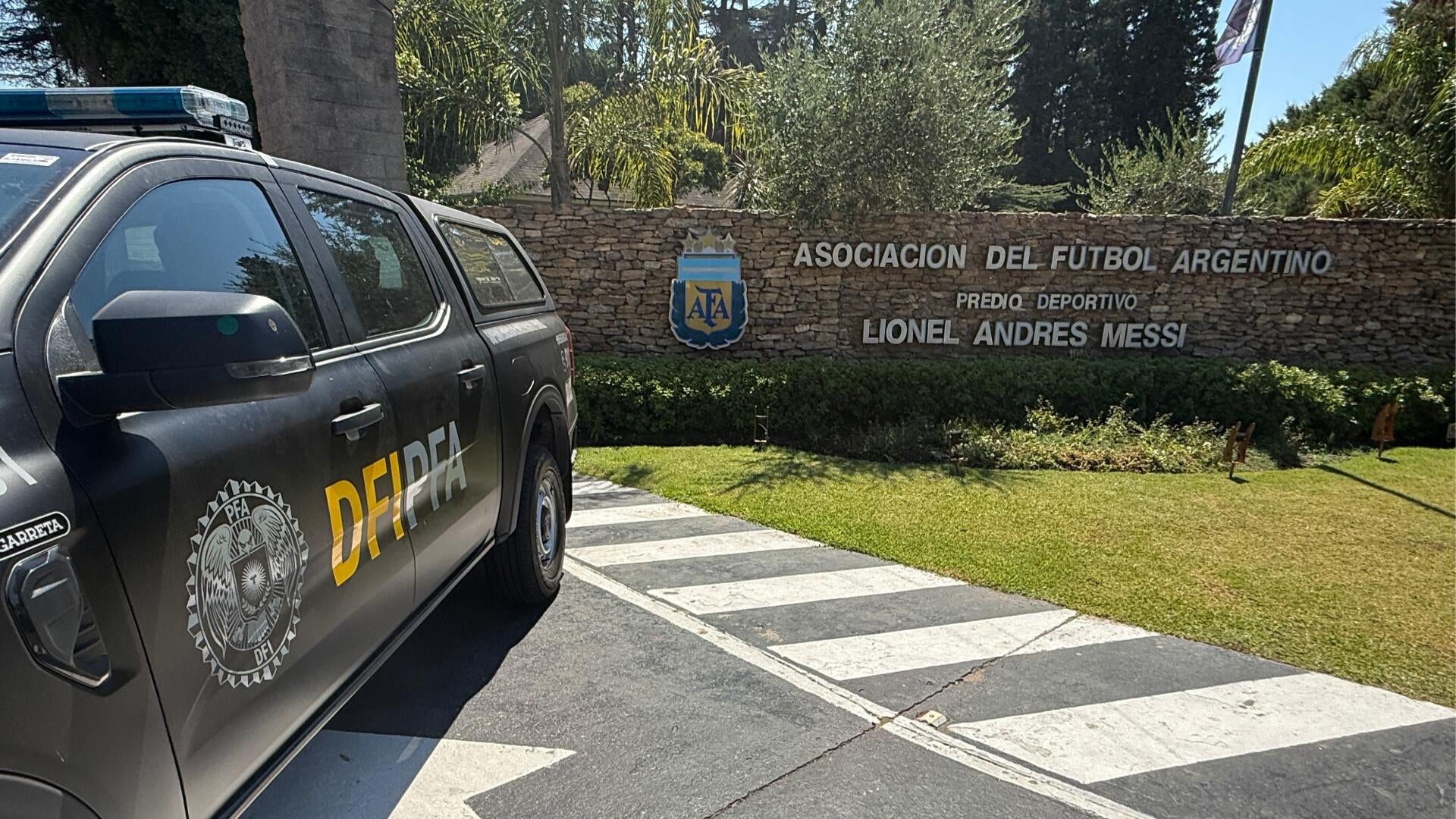
- Independiente, one of Argentina’s top clubs, disclosed that six men sexually assaulted young prospects at its pensión, prompting a broader investigation into systemic abuse across the country’s youth soccer infrastructure.
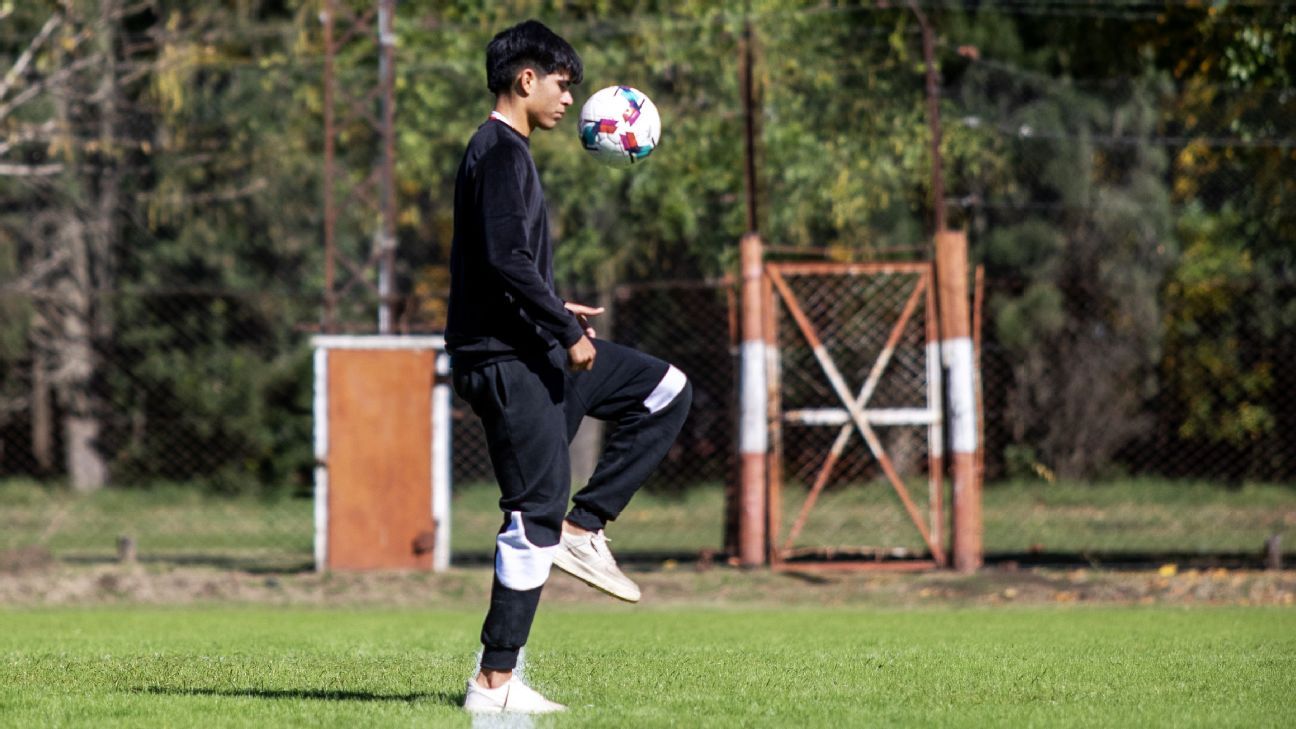
- Tobías Pérez, recruited at age 8 and signed to Ferro Carril Oeste at 15, exemplifies the journey of rural talent drawn into the system, where families sacrifice deeply and players face immense pressure with little protection.
- ESPN’s investigation, based on over 100 interviews and thousands of documents, found that Argentina’s youth soccer pipeline mirrors global patterns of exploitation seen in MLB’s Dominican operations and NBA academies in China, marked by poverty, lack of regulation, and institutional failure.
Why it matters: Thousands of children in Argentina are exposed to systemic abuse within a soccer development system that profits from their dreams while offering no safeguards. The 60% grooming rate identified by investigators reveals a structural failure—clubs and guardians operate with impunity, and the state’s inaction allows exploitation to persist under the cover of national pride.
Ask SkimNews