India Education Minister Resigns After Cockroach Protests Win

Get the Geopolitics newsletter
Daily geopolitics — wars, elections, sanctions, the diplomatic moves that move markets. Free.
- Dharmendra Pradhan resigned as India's Education Minister on Saturday after talks with the Cockroach Janta Party (CJP), which said all of its major demands had been accepted by the government.
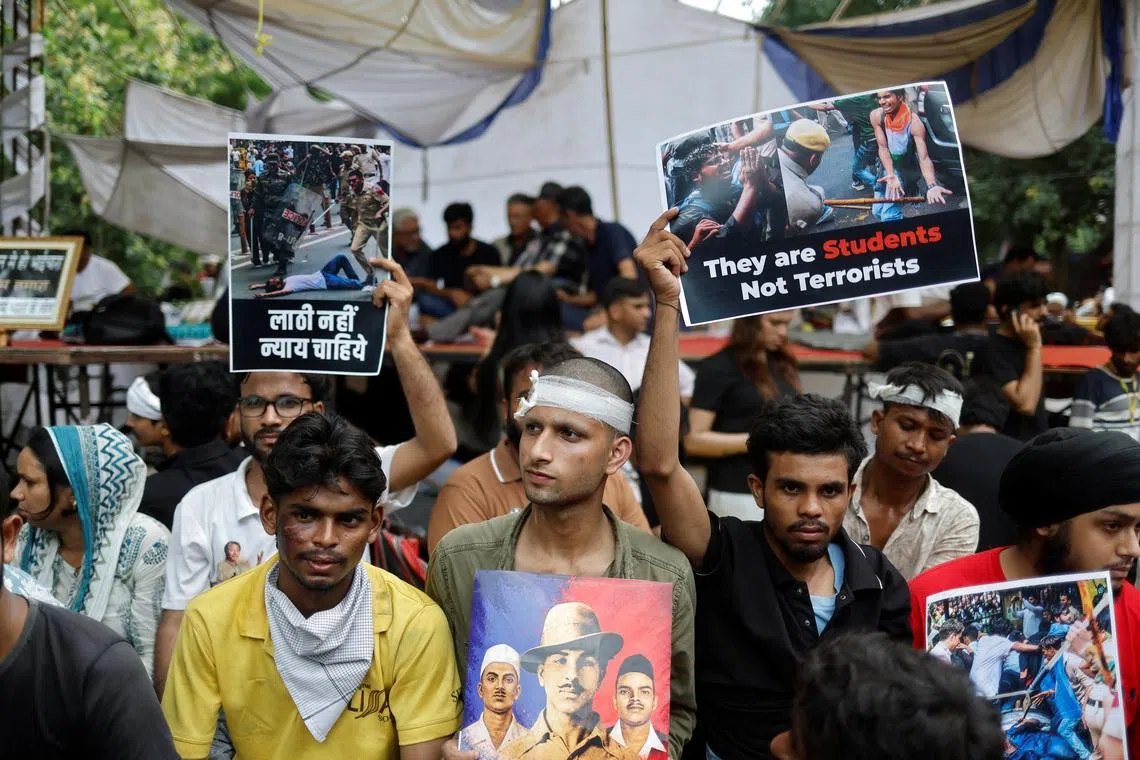
- The government agreed to drop all police cases against protesters, pay compensation to families of students who died by suicide following the exam paper leaks, and consider CJP's exam-reform proposals, ministers JP Nadda and Jitendra Singh said at a press conference.
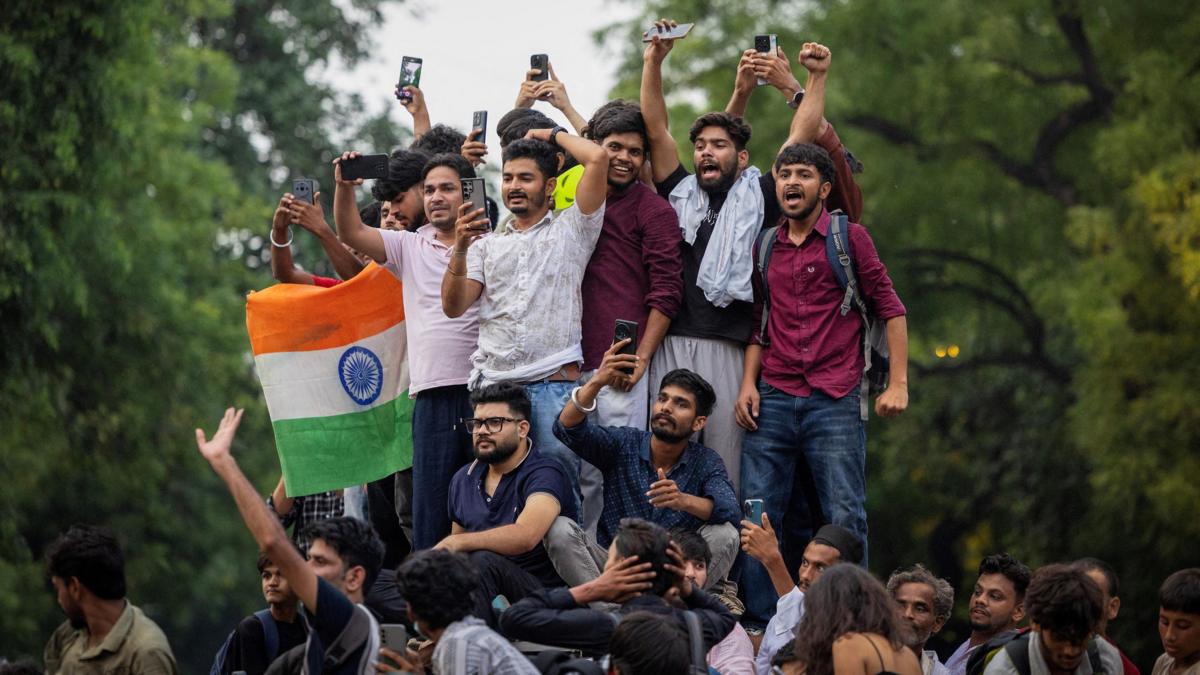
- The Cockroach Janta Party, named after Chief Justice Surya Kant's comparison of unemployed young people to "cockroaches," began as an online parody of Prime Minister Modi's ruling Bharatiya Janata Party (BJP) before attracting massive street protests.
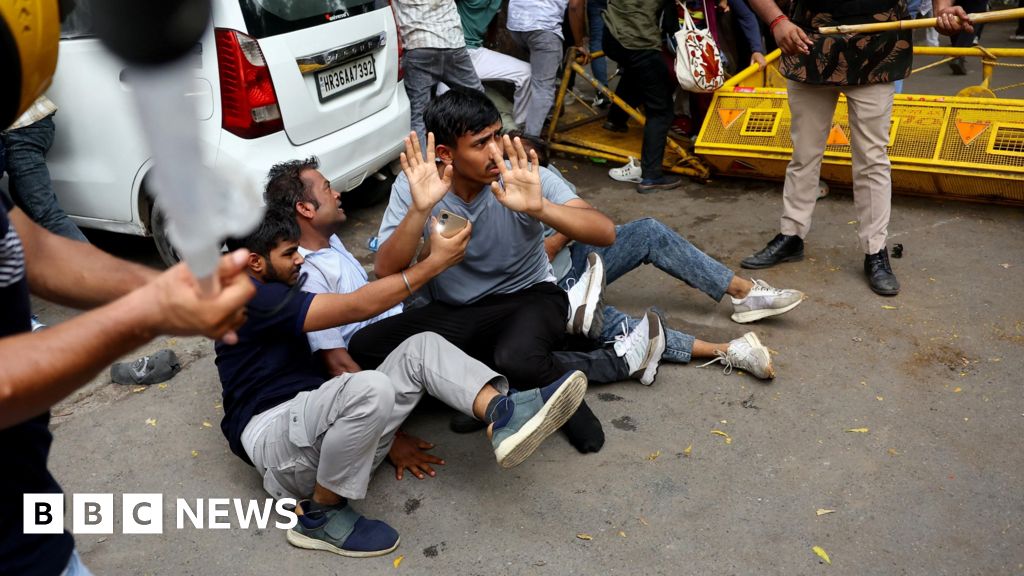
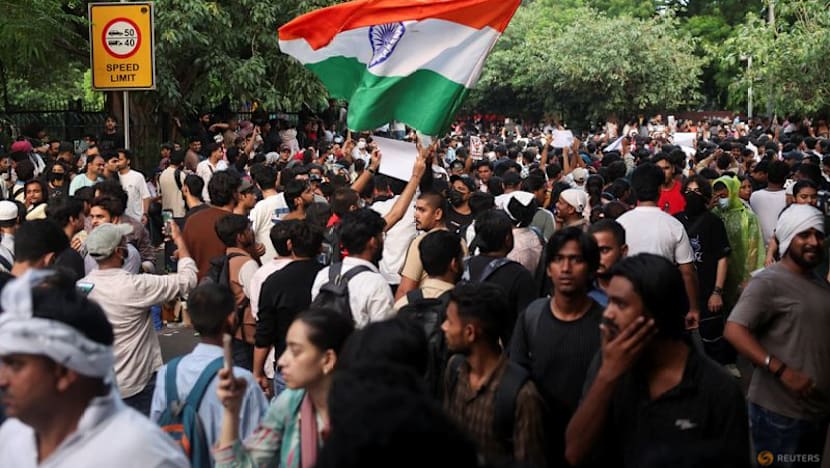
- The NEET undergraduate exam, the fiercely competitive gateway to India's medical schools, saw online leaks disrupt it in May, sparking demonstrations that spread from New Delhi to Mumbai, Hyderabad, Bengaluru and Ahmedabad, with police deploying tear gas and batons near Parliament.
- Activist Sonam Wangchuk ended a 26-day hunger strike after negotiations with dozens of members of Parliament and was forcibly hospitalized by police last weekend; he called Pradhan's resignation "a victory of peace, patience & perseverance."
- Prime Minister Modi, who offered his first public comments Thursday via Instagram and announced fast-track courts for exam-leak prosecutions, saw his first public comments rejected as insufficient by protesters who returned to the streets Friday even as authorities shut 18 metro stations across New Delhi.
Why it matters: Pradhan becomes the highest-profile casualty of one of the biggest challenges to Modi in his 12 years in power, with the government's full capitulation — ministerial resignation, dropped charges and family compensation — demonstrating that mass Gen Z-led street pressure can force rare BJP concessions on education policy tied to millions of exam-taking students. Activist Sonam Wangchuk's 26-day hunger strike and the CJP's tactical use of satire proved potent enough to topple a sitting cabinet minister.