A warning sign about AI’s real cost, courtesy of Google and Amazon — SkimNews

Get the Tech newsletter
Daily tech — startups, AI labs, chips, the launches that shape the next decade. Free.
- Google's total carbon emissions rose 25% year-over-year while Amazon's climbed 16%, according to the companies' latest sustainability reports, with both firms acknowledging AI-driven energy demand as a key factor.
- The emissions surge traces largely to Scope 3 categories — GPU purchases, data center construction, and chip manufacturing — rather than direct energy use, which years of renewable power purchases have kept relatively in check.
- Google's Scope 3 emissions jumped 2.1 million metric tons last year, doubling the company's 2019 baseline, with data centers cited as the primary driver behind the increase.
- Amazon added more than 1.2 gigawatts of new data center capacity in Q4 2025 alone, more than any other company, fueling a spike in Scope 3 emissions from capital goods, fuel, and energy.
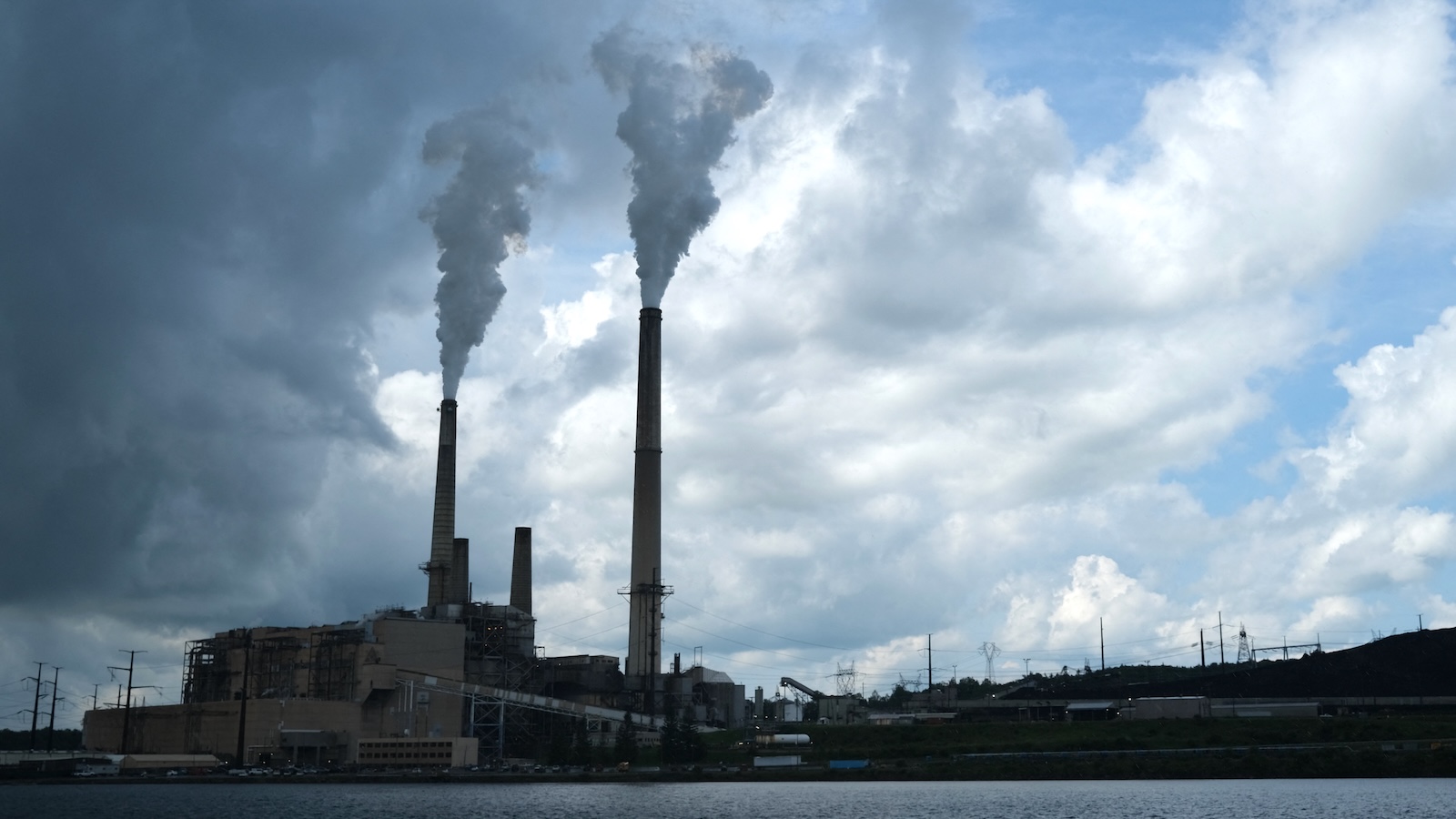
- Both companies are increasingly turning to natural gas power plants to keep pace with AI's energy demands — a reversal from years of relying on renewables-plus-batteries to cancel out data center footprints.
- Semiconductor manufacturing for AI GPUs and memory chips further inflates both companies' footprints, since leading-edge chip fabs sit on fossil-fuel-heavy Asian grids and rely on chemicals that warm the atmosphere thousands of times more than CO2.
Why it matters: To hit net-zero, Google and Amazon will need to massively scale renewable energy purchases, bankroll low-carbon steel and cement for data center construction, and buy millions of tons of carbon removal credits — a costly to-do list now colliding with an AI buildout that is falling back on natural gas and fossil-fuel-powered Asian chip fabs.
Ask SkimNews