Trump Claims IDF Control in Lebanon Despite Israeli Rebuff — SkimNews
Get the Geopolitics newsletter
Daily geopolitics — wars, elections, sanctions, the diplomatic moves that move markets. Free.
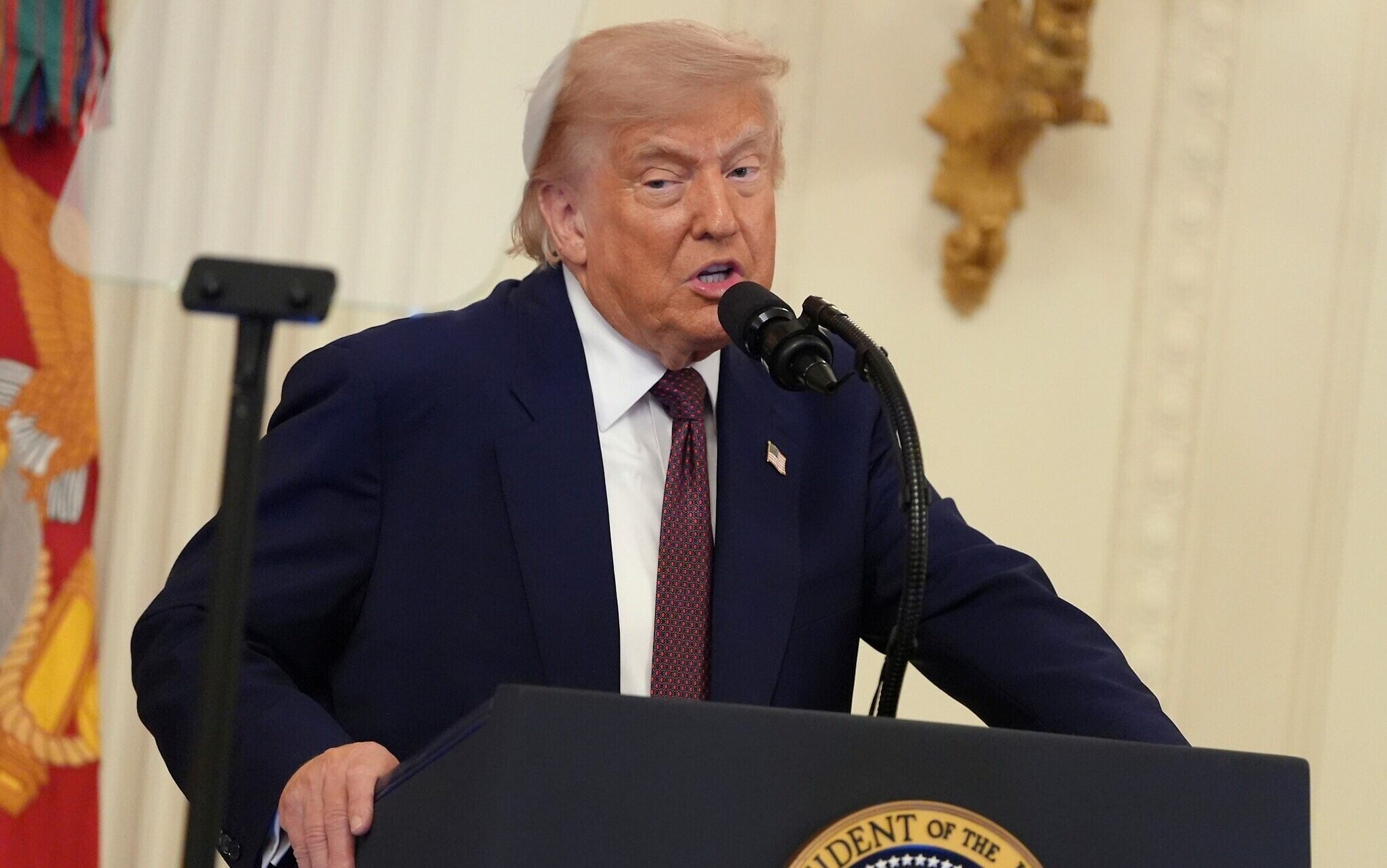
- Trump told Axios he can "control Israel from attacking Lebanon," saying "they have a lot of respect for me, and they do as I say" because of his withdrawal from the 2015 Iran nuclear deal and his authorization of strikes on Iran's nuclear sites during the 12-day war last June.
- Israel agreed to stop attacking Beirut in response to US anger but kept troops in a large southern Lebanon buffer zone, appearing to violate the US-Iran deal's requirement that all military operations in Lebanon cease.
- The US-Iran deal signed by Trump and Iranian President Masoud Pezeshkian aims to end the conflict that began February 28 with US-Israeli strikes on Iran, calling for cessation of fighting on all fronts including Lebanon, reopening of the Strait of Hormuz, and a 60-day nuclear negotiation period.
- Iran re-closed the Strait of Hormuz on Saturday in response to Israel's continued Lebanon presence, after US officials privately asked Israel to withdraw its forces and were rebuffed — directly contradicting Trump's claim of leverage.
- A separate Israel-Hezbollah truce ostensibly began at 4 p.m. local time Friday, but both sides continued exchanging fire over the weekend with each blaming the other for violations.
- A Channel 12 poll published Thursday found only 13% of Israelis trust Trump to look out for the Jewish state's interests while 71% do not, and 52% believe Netanyahu's conduct harmed Israeli interests in the US-Iran agreement.
Why it matters: Trump's claim of control over IDF actions is directly contradicted by events the article itself documents: Israel rebuffed private US requests to withdraw from Lebanon, Iran retaliated by re-closing the Strait of Hormuz, and a Channel 12 poll shows only 13% of Israelis trust Trump to look out for their interests. The gap between the president's public posture and his actual leverage shapes how seriously adversaries and allies read his threats.
Ask SkimNews