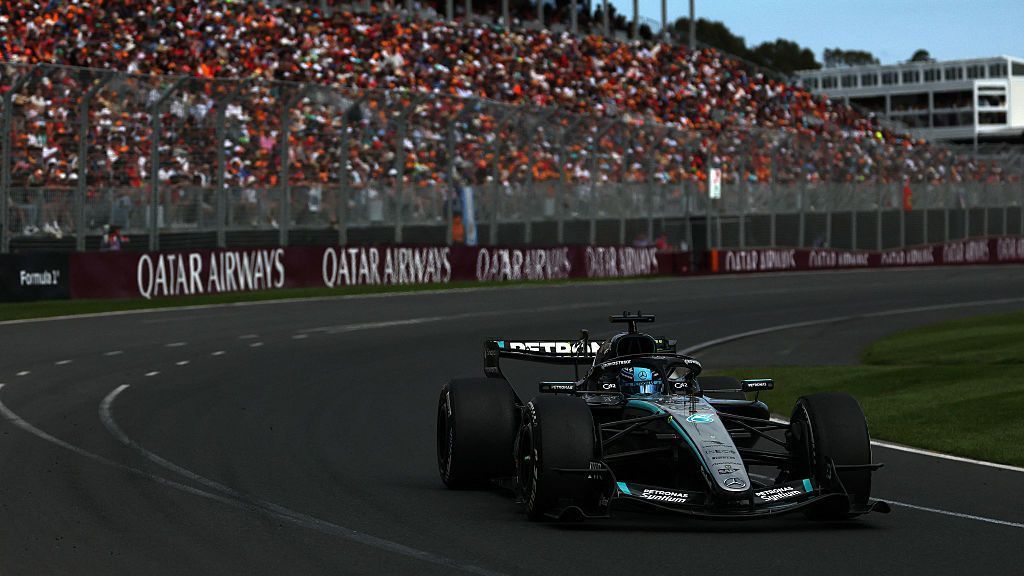
Was new-era F1 really racing or more like a computer game?

Why it matters: F1's radical new rules are sparking a debate: Is it thrilling innovation or a departure from true racing?
- George Russell, the race winner, described the new F1 style as 'dicey' but acknowledged the entertainment value of the lead swaps with Leclerc.
- Charles Leclerc and Lewis Hamilton both highlighted the significant impact of the new 350kw electrical power deployment on racing and overtaking strategies, with Hamilton particularly enjoying the experience.
- Lando Norris and Max Verstappen voiced strong reservations, with Norris predicting a potential 'horribly wrong' incident due to speed differentials, and Verstappen stating he wants the racing to be 'better than this.'
- F1's official statistics reported a dramatic increase to 125 overtakes in the race, up from 45 last year, sparking debate on whether more overtaking is inherently good or if it diminishes the essence of racing skill.
- Team bosses have agreed to review the new regulations after three races, indicating an open mind to potential tweaks to bring the sport closer to its traditional essence.
Formula 1's new era debuted in Australia to mixed reviews, with drivers like George Russell and Charles Leclerc engaging in unprecedented lead changes thanks to new electrical power modes, leading to a record 125 overtakes. While some, like Lewis Hamilton and Ferrari's team principal, found the racing thrilling and unique, others, including world champion Lando Norris and Max Verstappen, expressed significant concerns about safety due to extreme speed differentials and whether the new style truly constitutes 'racing' or a 'computer game.'