Modi Pushes to Expand Parliament, Reserve Seats for Women
SkimNews Take
The phased implementation of the reservation, tied to a census and delimitation, delays the policy's impact, potentially beyond Modi's current term.
Get the Geopolitics newsletter
Daily geopolitics — wars, elections, sanctions, the diplomatic moves that move markets. Free.
- India's government introduced bills to expand the lower house by roughly 55% to 850 lawmakers, with proportional increases in state legislatures, by the 2029 parliamentary elections, citing population shifts since the 1971 census.
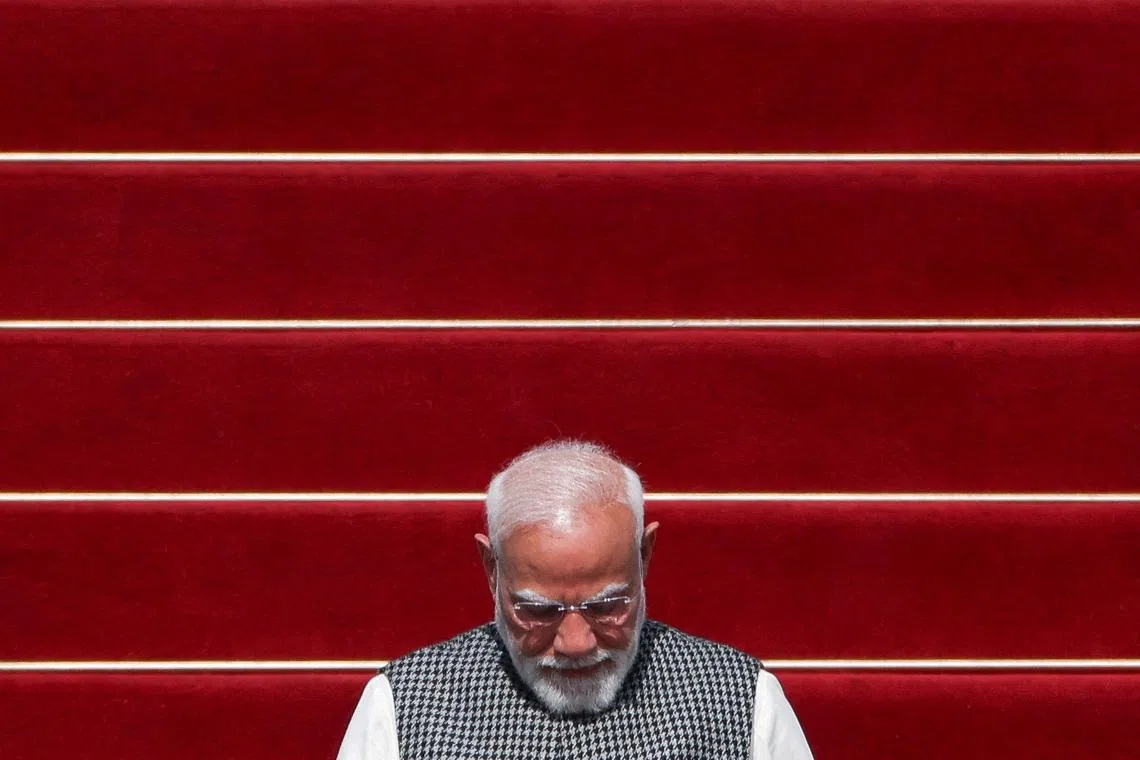
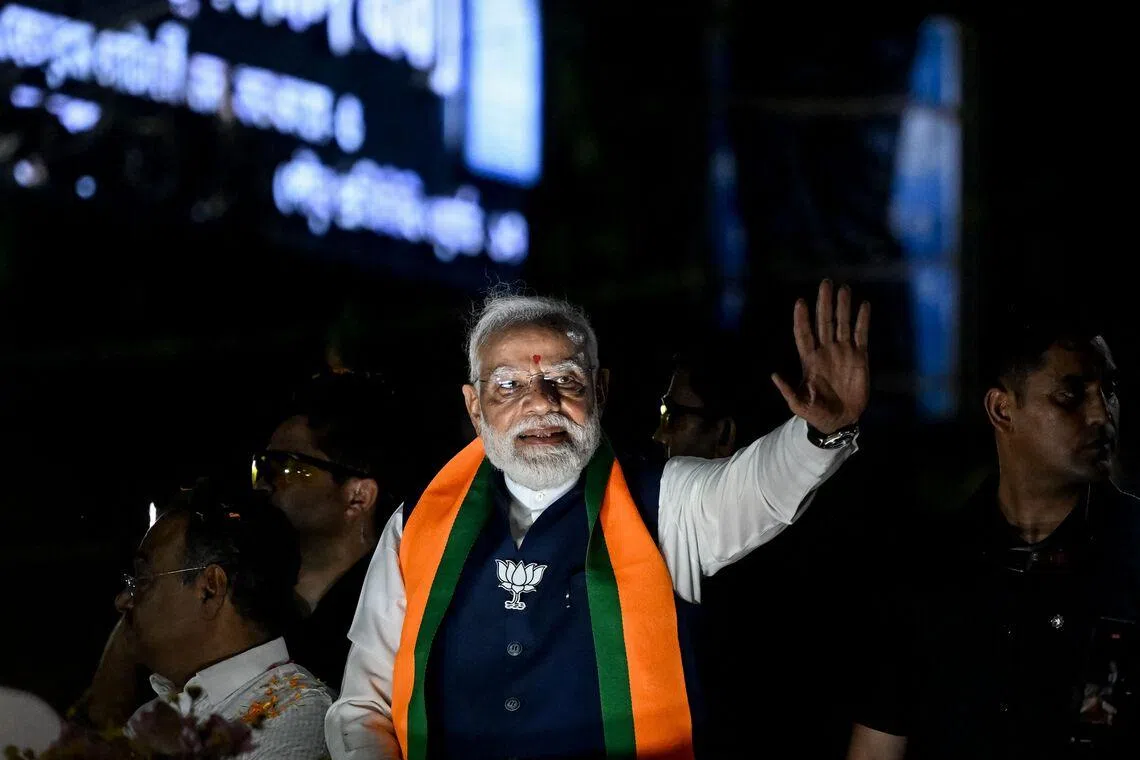
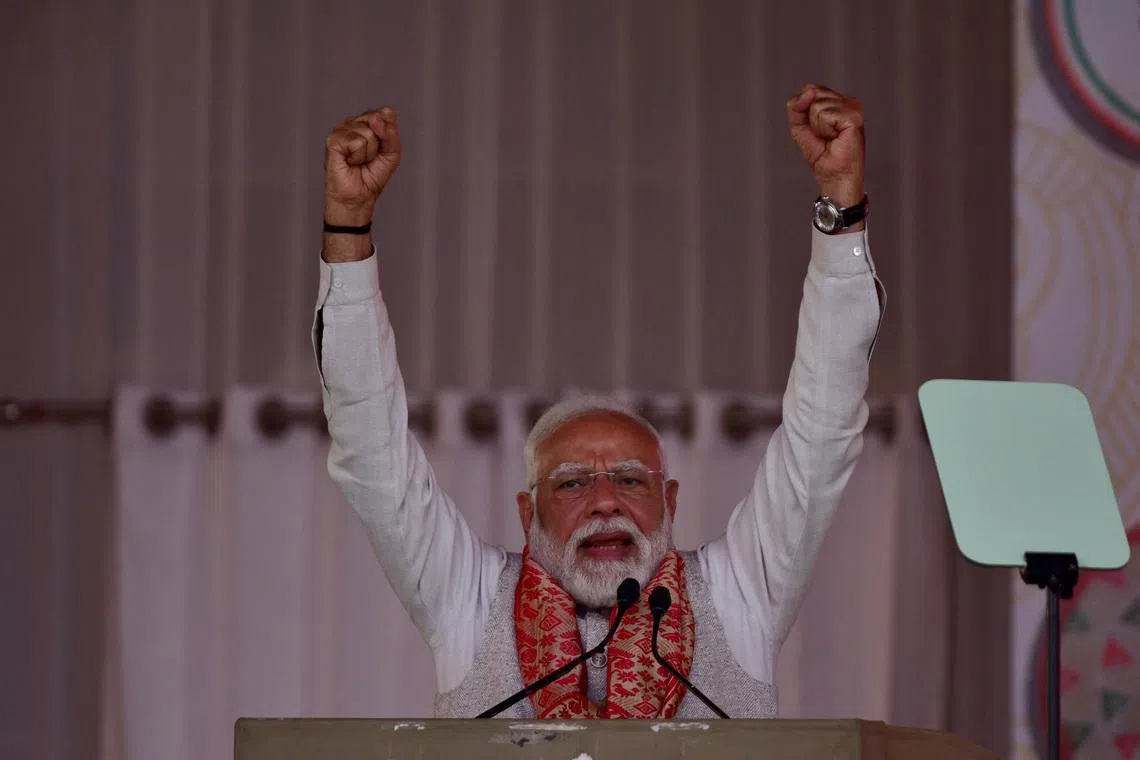
- Prime Minister Narendra Modi told the lower house the reforms would move India in a 'new direction,' arguing that women's representation would bring 'new strength, fresh thinking, and a greater sense of sensitivity.'
- The Congress party backed women's reservation but accused the government of trying to manipulate elections through boundary changes, demanding the quota take effect immediately upon passage rather than be delayed until a future census.
- Modi's National Democratic Alliance lacks the two-thirds majority required to pass the bills in both houses and must court smaller parties and opposition defectors, while the changes also need ratification by at least half of India's state legislatures.
- Women make up nearly half of India's 968 million voters but hold only 14% of lower-house seats and 17% of upper-house seats, with roughly 10% representation in state legislatures — the gap the quota is designed to close.
- The 2023 women's reservation law had linked the one-third quota to the next census, pushing implementation beyond 2029; the new bills decouple that timeline and pin it to the next general election.
Why it matters: The 55% seat expansion and one-third women's quota cannot pass without opposition buy-in — and larger opposition parties are already calling the boundary redraw unconstitutional vote manipulation, while Congress is demanding the women's quota take effect immediately rather than wait for the 2029 cycle.