TVA's 25-Year Plan Reverses Course to Coal, Gas, Nuclear — SkimNews
SkimNews Take
Surging data center demand is being channeled into multi-decade coal and gas commitments rather than faster-to-deploy renewables, creating path dependency where future federal policy shifts won't easily unwind the utility's locked-in thermal capacity.
Get the Energy newsletter
Daily energy & climate — solar, EVs, oil, the policy fights and tech bets shaping the transition. Free.
- Tennessee Valley Authority released a draft Integrated Resource Plan covering power needs for 10 million residents across seven states through 2050, abandoning the 2025 plan's up-to-20-GW solar projection in favor of no more than 5 GW and dropping wind entirely.
- TVA attributes the shift to the One Big Beautiful Bill Act of 2025, which requires utility-scale solar to break ground by 2027 to qualify for tax incentives, and to Trump-era EPA rollbacks it says are needed for grid reliability.
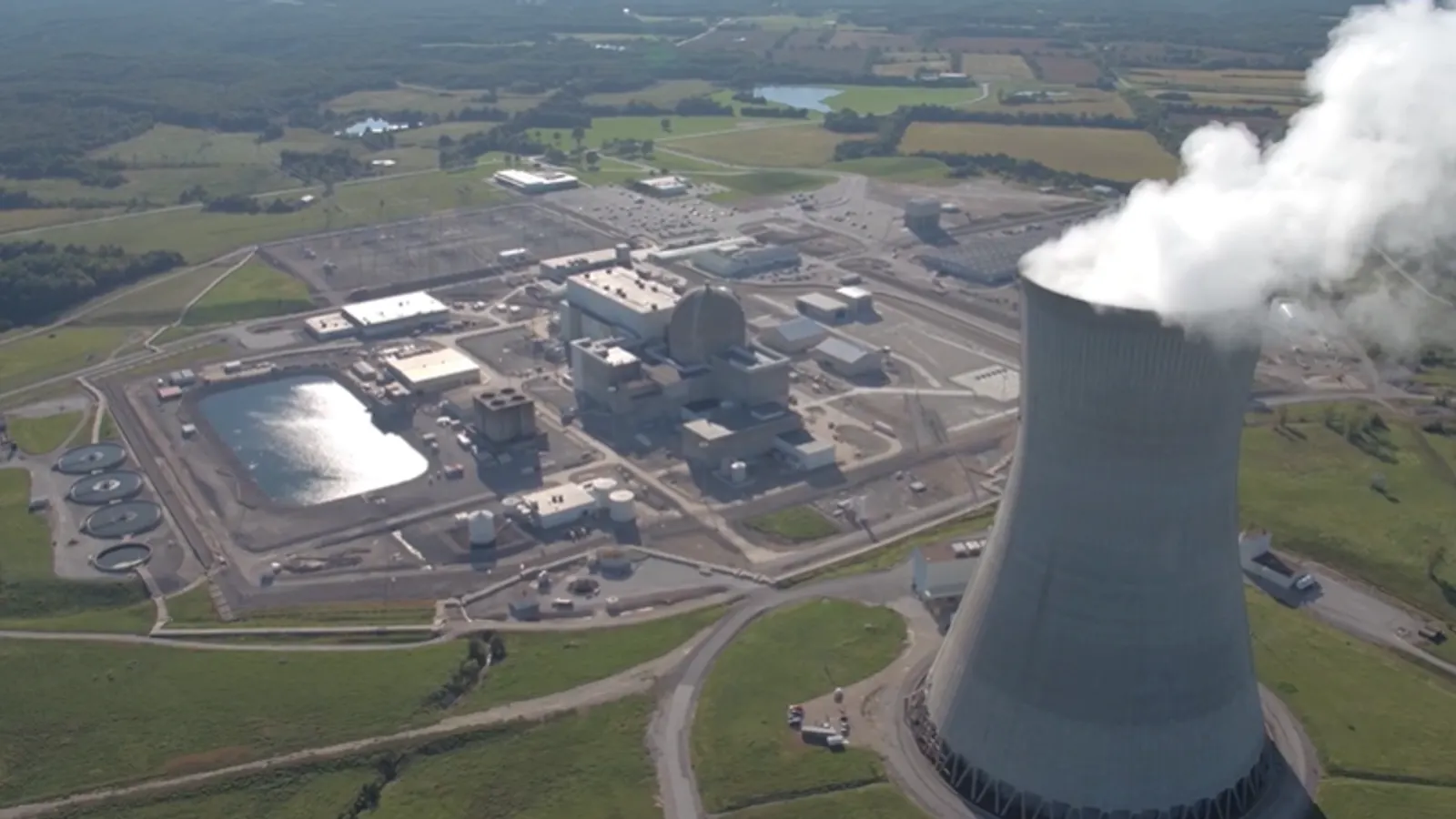
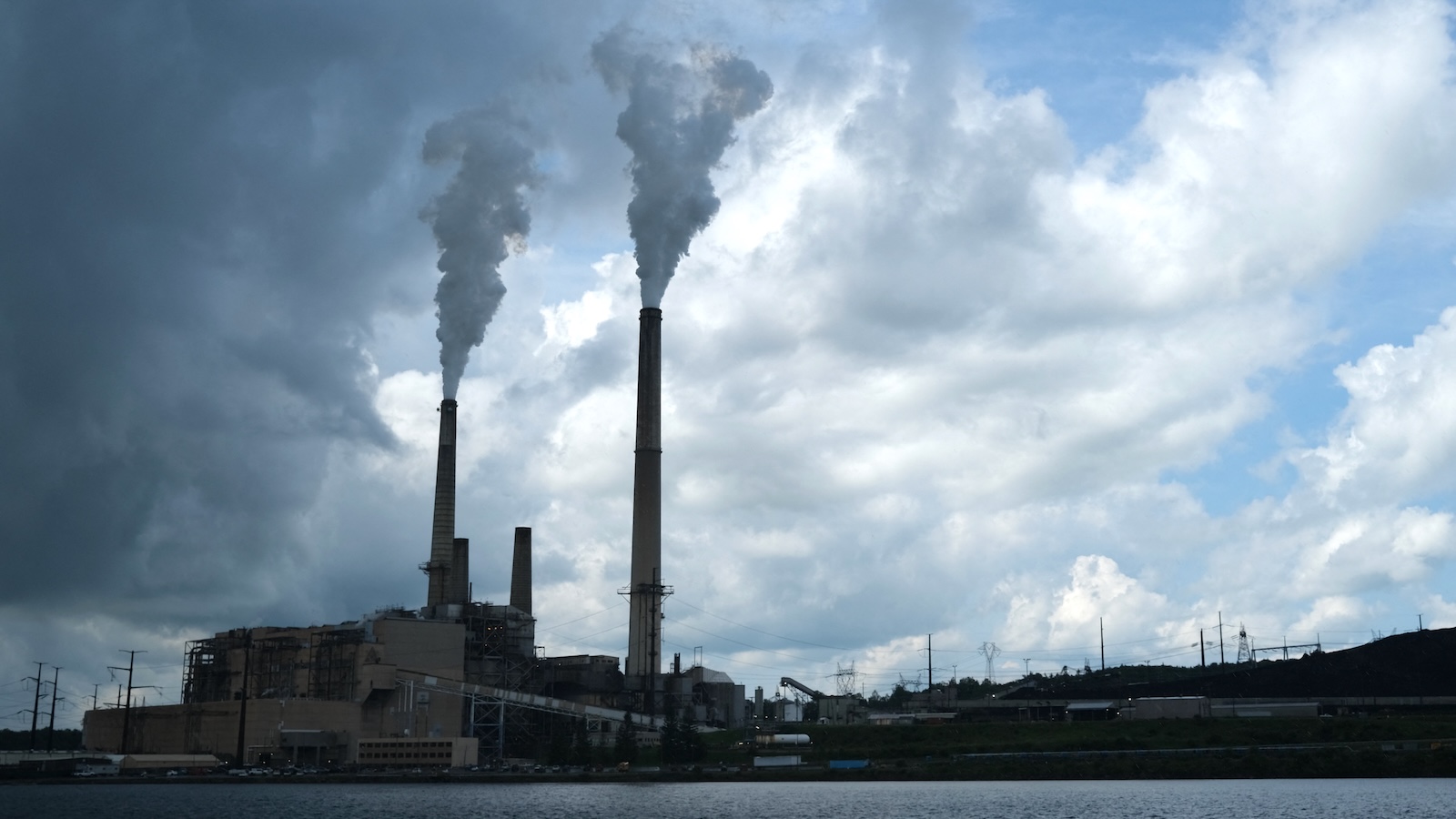
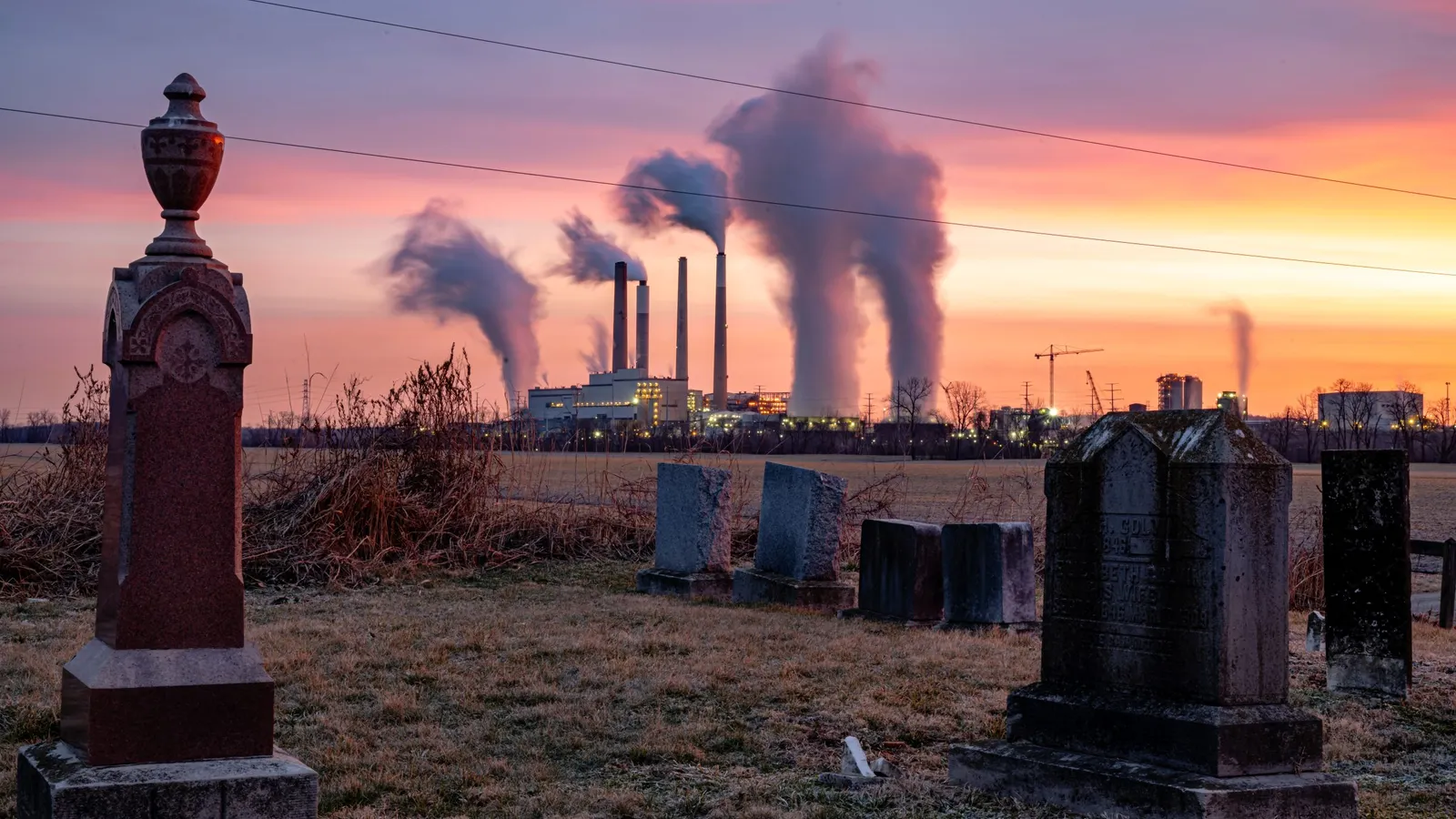
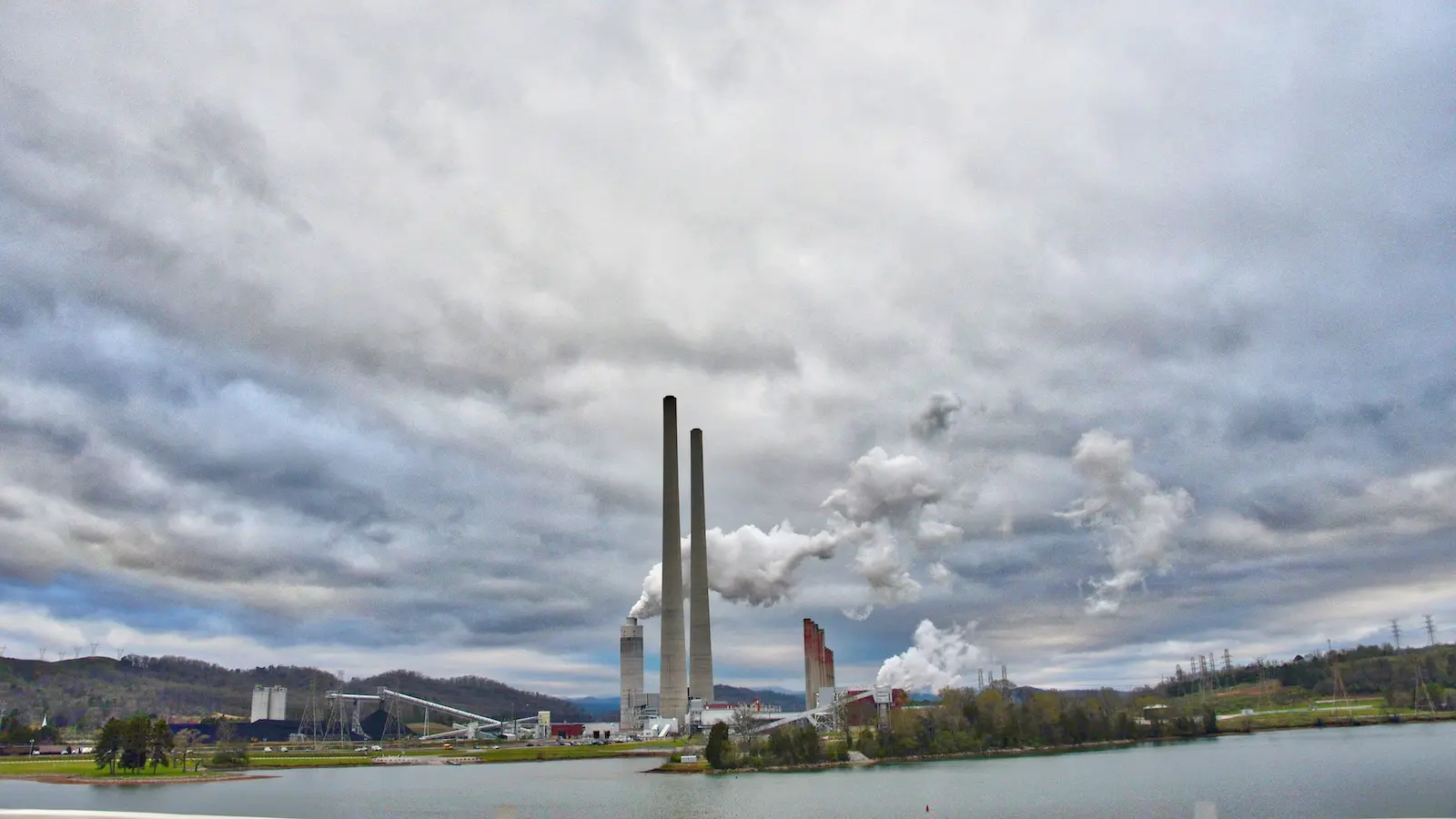
- TVA now plans to retain its coal fleet through 2039, may nearly double gas investment to as much as 26 GW, and is pursuing license extensions for its three nuclear plants, including the Cumberland Fossil Plant previously slated for 2028 closure.
- TVA says data centers already account for up to 20 percent of its industrial load and may double by 2030, prompting the utility to explore a separate electricity rate for those facilities.
- The Southern Environmental Law Center, representing Appalachian Voices, the Center for Biological Diversity, and the Sierra Club, sent TVA's new leadership a June 25 letter threatening Clean Air Act litigation over the Cumberland gas-plant permits.
- Institute for Energy Economics and Financial Analysis analyst Dennis Wamstead countered TVA's reliability rationale, saying retired coal plants 'are no longer economic and increasingly unreliable' regardless of political shifts.
- TVA is accepting public comment on the plan through July 22, with a final recommendation expected August 6; the utility's leadership transition — including a new CEO and three Trump-appointed board members after a nine-month quorum crisis — drove the reset.
- Appalachian Voices organizer Angie Mummaw, who lives across the river from the Cumberland plant, called the decision to keep burning coal 'a slap in the face' for residents who had been told the gas plant marked a coal exit.
Why it matters: TVA supplies power to 10 million people across seven states, and its reversal means the largest U.S. public utility is now explicitly betting on coal through 2039 and expanded gas generation — a path critics say locks in higher long-term costs and emissions for ratepayers while exposing the agency to Clean Air Act litigation over the Cumberland permits.
Ask SkimNews