New pill cuts “bad” cholesterol by 60% in major trial
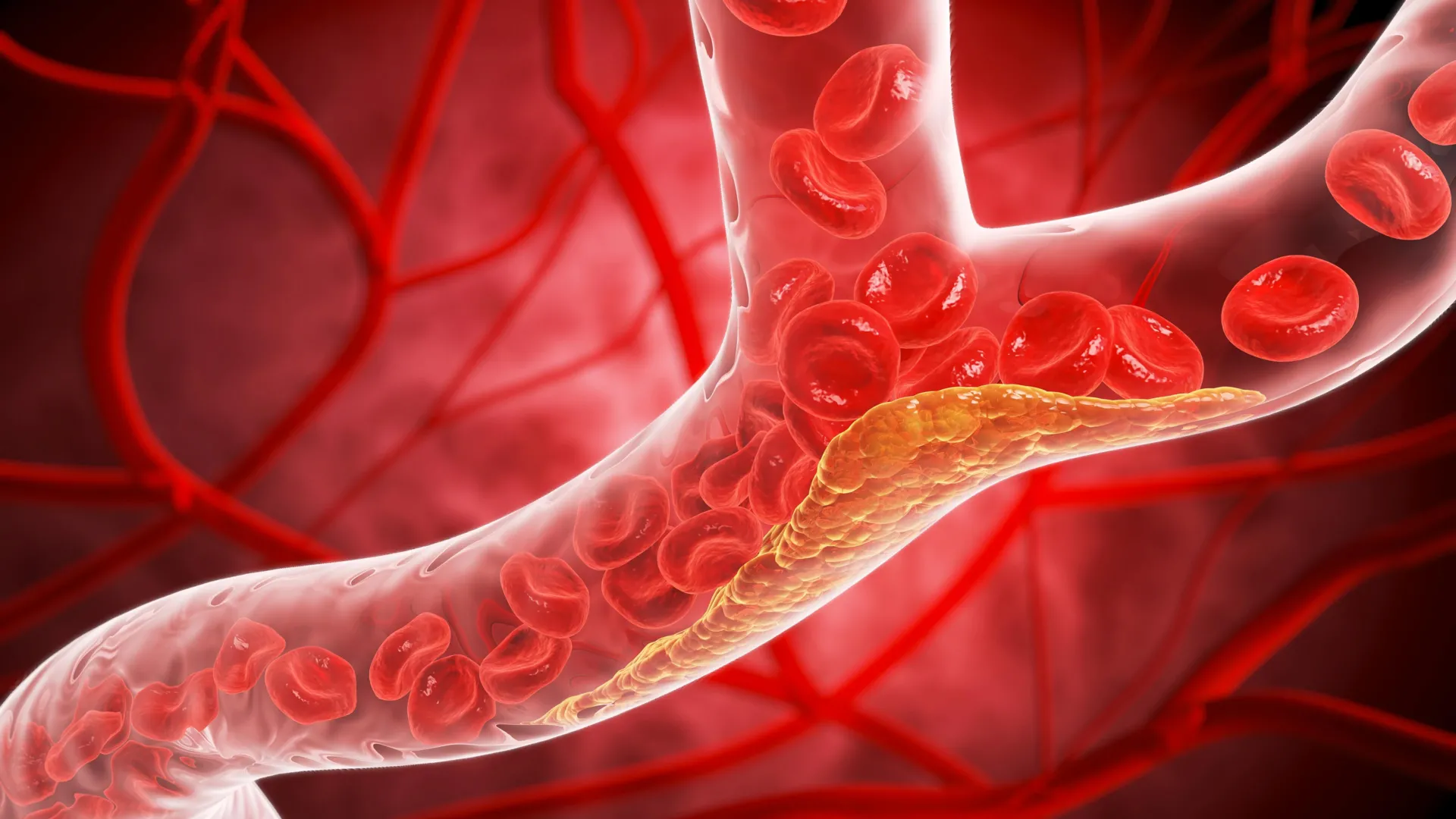
Why it matters: This oral pill could transform heart disease prevention for millions, making life-saving treatment more accessible.
- Enlicitide, an experimental oral pill, dramatically lowered LDL cholesterol by 60% in a phase three clinical trial, matching the power of injectable treatments.
- Dr. Ann Marie Navar of UT Southwestern Medical Center, who led the Merck-sponsored study, highlights the drug's potential to significantly improve population-level prevention of heart attacks and strokes, noting that fewer than half of patients currently meet LDL cholesterol goals.
- The drug's oral administration is a critical advantage, potentially overcoming a major barrier to patient adherence and expanding access to effective cholesterol management.
- This breakthrough builds on foundational discoveries by UT Southwestern researchers, including the identification of the LDL receptor (Nobel Prize, 1985) and insights into the PCSK9 protein, which paved the way for statins and injectable PCSK9 inhibitors.
A groundbreaking new oral pill, enlicitide, has demonstrated a 60% reduction in "bad" LDL cholesterol in a major clinical trial, rivaling the efficacy of current injectable therapies. This development, building on decades of Nobel Prize-winning research, could revolutionize cardiovascular disease prevention by offering a more accessible treatment option for millions who struggle to reach safe cholesterol levels.