BYD’s big EV bet is paying off as drivers ditch gas with surging oil prices
Why it matters: Soaring oil prices are accelerating the global EV transition, validating early bets and punishing gas-dependent markets.
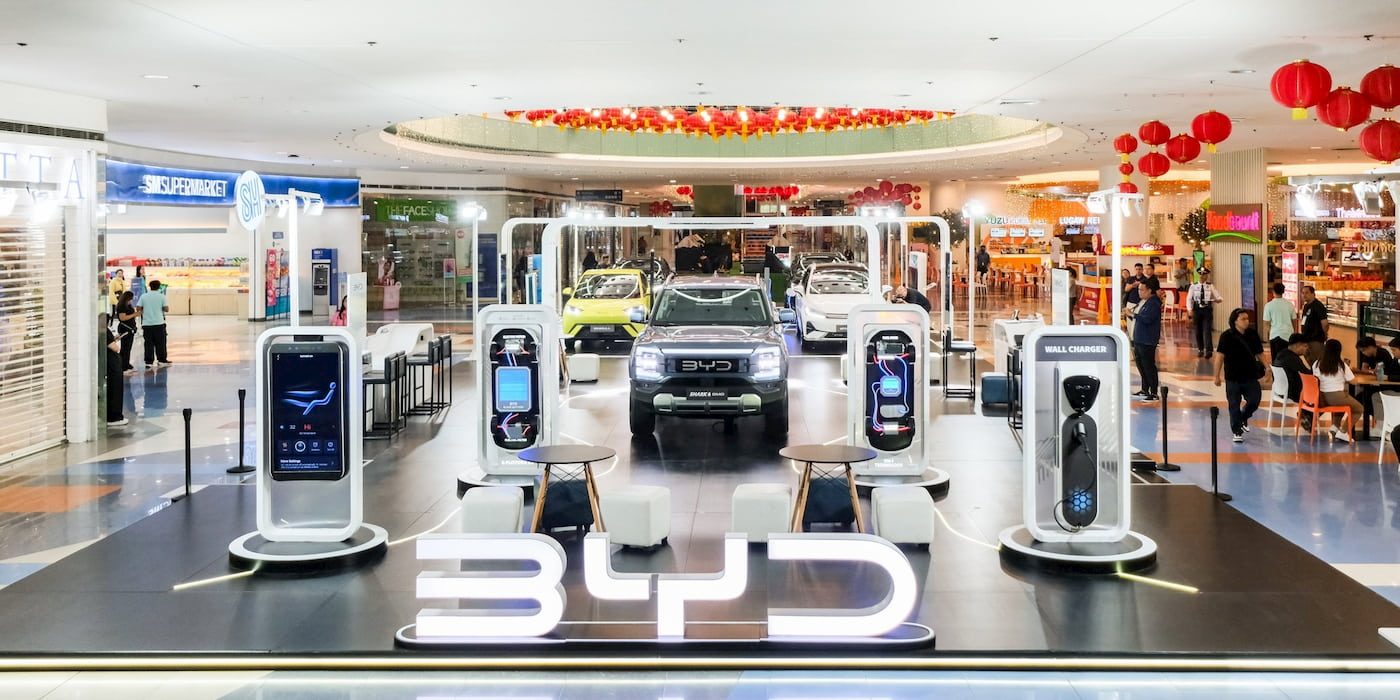
- BYD has become the world's largest EV maker since ceasing internal combustion engine (ICE) vehicle production in 2022, surpassing Ford in global sales with over 4.6 million electric and plug-in hybrid vehicles sold in 2025.
- Dealerships in the Philippines and Vietnam are experiencing quadrupled showroom visits and rapid order bookings, with customers explicitly trading in gas cars for EVs due to rising oil prices.
- Global EV adoption avoided 1.7 million barrels per day of oil consumption last year, equivalent to about 70% of Iran's oil exports through the Strait of Hormuz, according to UK-based Ember.
- Asian countries like Laos and Thailand are actively adjusting policies, such as slashing EV registration fees while increasing them for gas cars, to further incentivize EV adoption amid high oil import vulnerability.
- Industry experts, like Surapong Paisitpatnapong, now anticipate a significant increase in EV demand in 2026, reversing previous less optimistic forecasts, if oil prices remain high or climb further.
- Commentators criticize legacy automakers like Honda for canceling EV lines, arguing that current geopolitical events and high oil prices make such decisions short-sighted and beneficial for EV adoption, especially in markets like the US and China.
BYD's strategic pivot to electric vehicles is paying off handsomely as surging global oil prices, exacerbated by Middle East tensions, drive a dramatic increase in EV demand, particularly across Asia. While sales growth had previously slowed due to competition and policy shifts, dealerships are now reporting unprecedented interest, with some booking a month's worth of orders in just two weeks as consumers actively seek alternatives to expensive gasoline.