Kim and Putin Accept Casualties the West Won't

Get the Geopolitics newsletter
Daily geopolitics — wars, elections, sanctions, the diplomatic moves that move markets. Free.
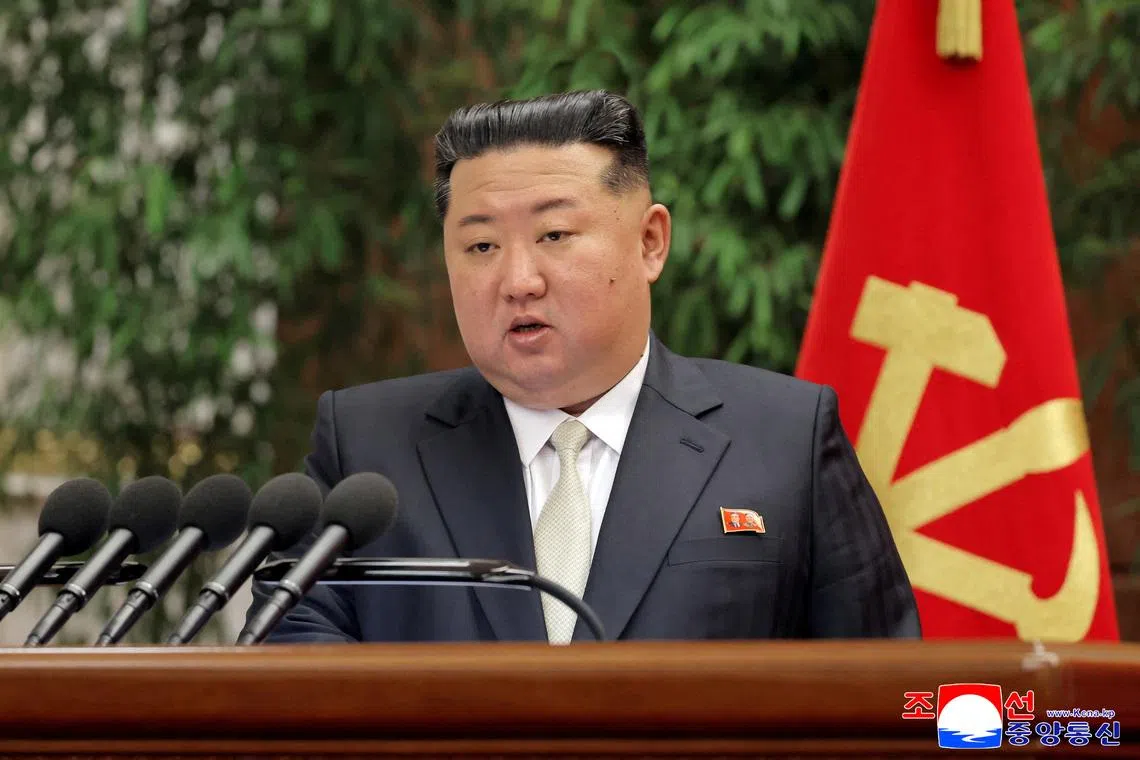
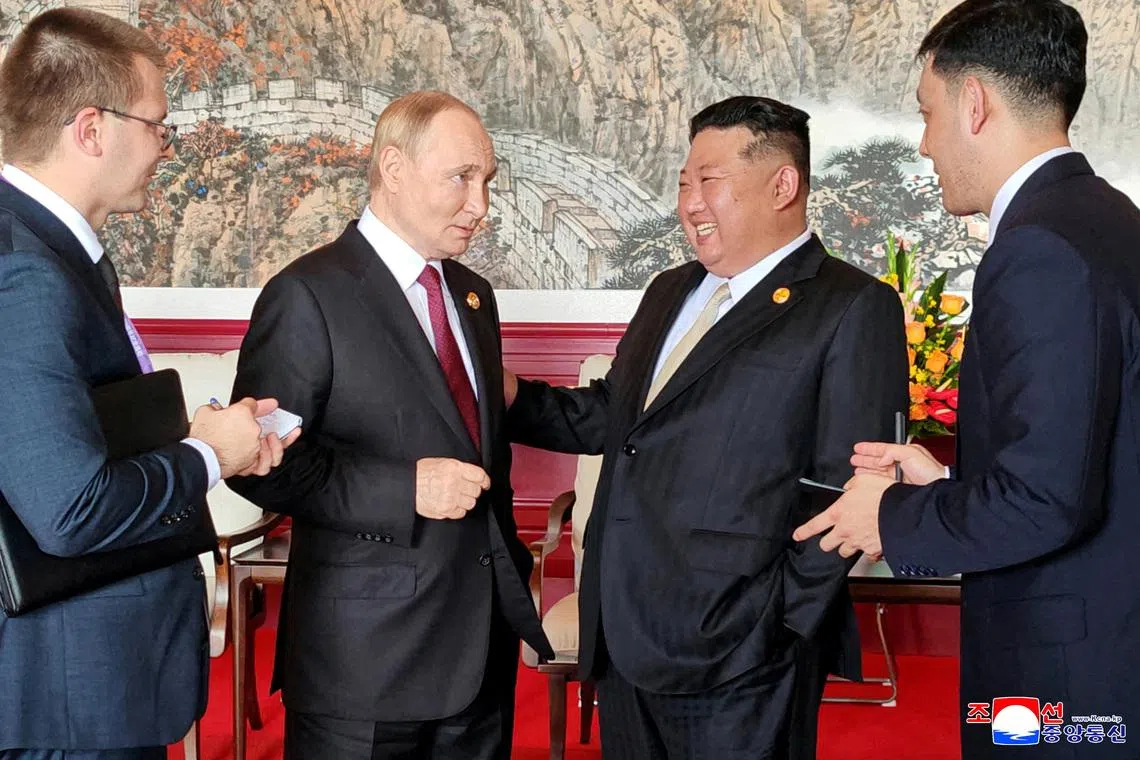
- Benjamin R. Young of Fayetteville State University frames the North Korea-Russia partnership as built on state-sanctioned violence and militarism rather than traditional alliance structures — lacking shared ethnicity, religion, political system, or trade in goods and services.
- Kim Jong Un trades artillery shells, soldiers, and landmine sweepers to Vladimir Putin in exchange for military technology, a partnership Young describes as the two nations sending each other 'the tools and instruments of death.'
- More than 350,000 Russian soldiers have died in Putin's war against Ukraine, a figure Young compares to Stalin's WWII-era disregard for human life as evidence of Russia's necropolitical regime.
- Kim has willingly sacrificed thousands of North Korean soldiers in the Ukraine conflict, demonstrating what Young calls a 'radically different conception of the value of individual human life' from democratic governments.
- Young's analysis is grounded in political theorist Achille Mbembe's 2003 concept of 'necropolitics' — the idea that sovereignty ultimately resides in 'the power and the capacity to dictate who may live and who must die.'
- Washington and Seoul must prepare for 'wild and dangerous scenarios' on the peninsula, Young concludes, because while Kim is not irrational, he operates from an 'entirely different vantage point' that only a handful of other dictators understand.
Why it matters: This analysis challenges the conventional view that Kim wouldn't risk a full-scale Korean Peninsula invasion by arguing that authoritarian regimes calculate risk through a fundamentally different human-cost lens — the 350,000-plus Russian dead in Ukraine serving as real-world evidence that US and South Korean planners must plan for scenarios Western publics would consider irrational.