Grief, anger, disbelief: War proponents lose it over ceasefire
Why it matters: The ceasefire initiates a two-week negotiation period between the U.S. and Iran over a 10-point plan, potentially altering regional military presence and sanctions.
- President Donald Trump announced a two-week ceasefire with Iran, involving a halt to attacks (including Israel) in exchange for Iran opening the Strait of Hormuz and negotiations on Iran's 10-point plan.
- Iran's 10-point plan includes lifting all sanctions, withdrawing U.S. forces, Iranian control of Hormuz, U.S. non-aggression, cessation of the Israel-Hezbollah war, and continued uranium enrichment for Iran's nuclear power program, though Israel insists enrichment will be debated.
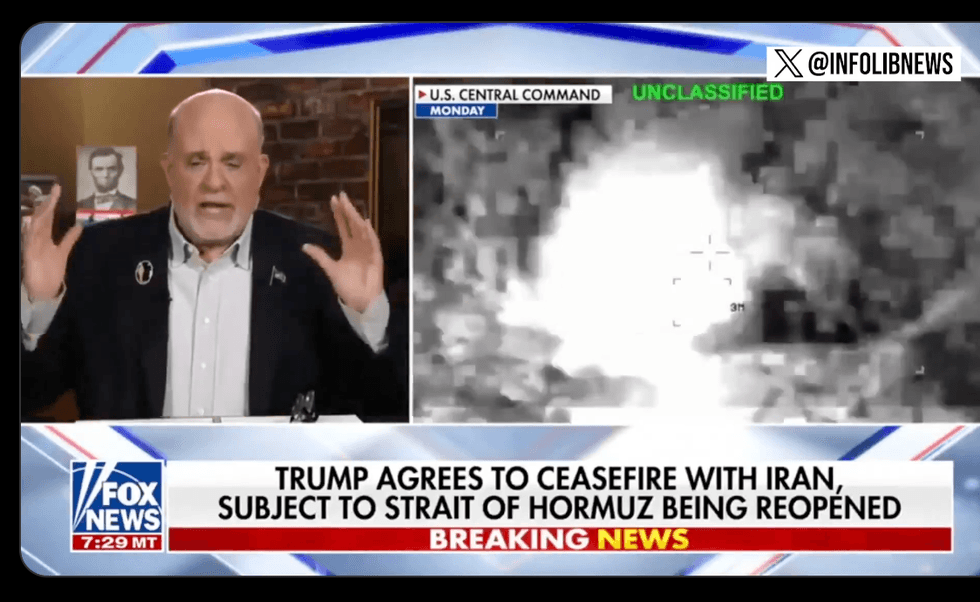
- Radio host Mark Levin immediately charged that Iran had broken the deal within hours, citing Hezbollah's actions and questioning the moral implications of leaving the Iranian people.
- Laura Loomer called the ceasefire 'a negative for America' and predicted its failure, despite it being Trump's initiative, suggesting the negotiation was already a failure.
- Senator Lindsey Graham expressed disappointment but held his fire, preferring diplomacy if it leads to the 'right outcome' and suggesting a congressional review process, hinting at potential Iranian misrepresentation.
President Trump's announcement of a two-week ceasefire with Iran, which includes a halt to attacks and negotiations on Iran's 10-point plan, has sparked intense backlash from prominent war proponents like Mark Levin and Laura Loomer, who view it as a failure and a betrayal. While Levin and Loomer openly condemned the deal, claiming Iran had already violated it and that it was 'a negative for America,' Senator Lindsey Graham expressed cautious disappointment, advocating for a congressional review similar to the Obama-era Iranian deal.