BNP's Youth Strategy Tested as Bangladesh Job Pledge Hits Energy Wall

Get the Geopolitics newsletter
Daily geopolitics — wars, elections, sanctions, the diplomatic moves that move markets. Free.
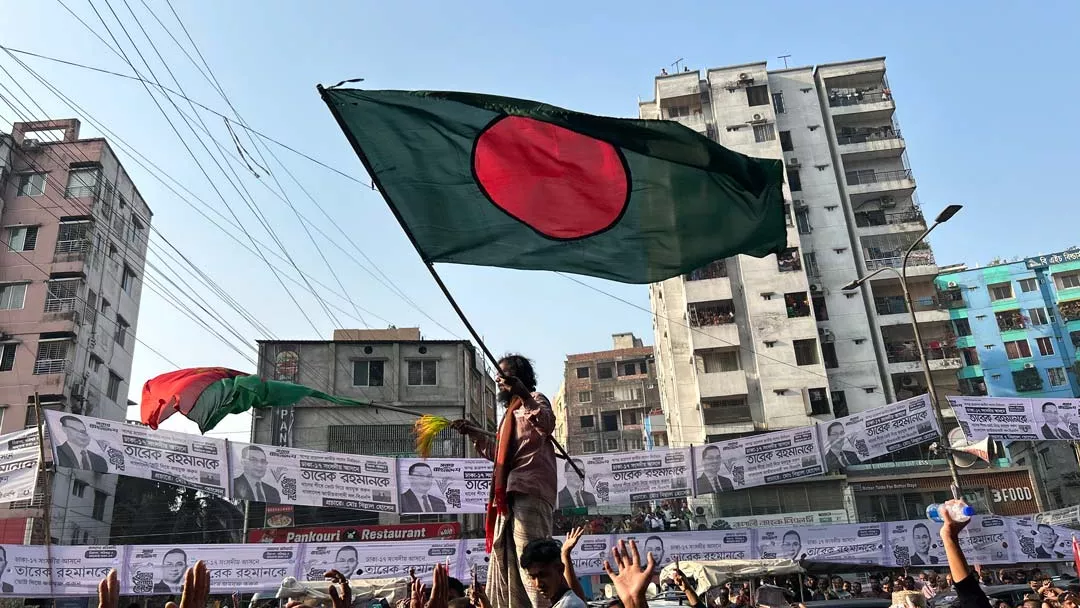
- Tarique Rahman returned to Dhaka on December 25, 2025 after 17 years in exile as acting BNP chairman and became prime minister on February 17 following the 13th parliamentary election
- Nearly 50 million of Bangladesh's 127,711,793 registered voters were aged 18-35 under the National Youth Policy, giving youth more than one-third of the electorate
- BNP's election manifesto pledged 10 million new jobs in five years, sending 10 million workers abroad, unemployment benefits, freelancing training at universities, and small offices for young entrepreneurs in IT parks
- Rahman opened his campaign with a "Youth Policy Talk" event in Sylhet on January 22, followed by a similar event in Chattogram, substituting direct dialogue with students for the traditional rally-speech format
- Bangladesh's unreliable energy supply has prevented hundreds of industrial units from beginning production, directly undermining the investment-driven job creation that underpins the BNP's headline youth pledge
- Gen Z students blocked roads in Dhaka and other cities during Higher Secondary Certificate exams, reigniting questions about whether young people are being given meaningful participation in state-building
- The BNP government launched Notun Kuri Sports to identify young athletes, allocated 5 billion taka for a startup fund, opened the parliament complex as a civic education platform, and plans to plant 250 million trees over five years
Why it matters: Nearly 50 million young voters — more than a third of the electorate — delivered BNP its victory, but the party's signature 10-million-jobs-in-five-years pledge is already colliding with energy-supply failures that have idled hundreds of factories. Rahman's credibility with the generation that drove the July 2024 uprising depends less on dialogue events and more on whether Dhaka can clear the structural barriers blocking industrial production and political interference in recruitment.
Ask SkimNews