Four Roman Invasions of Persia Ended in Disaster — SkimNews
Get the Geopolitics newsletter
Daily geopolitics — wars, elections, sanctions, the diplomatic moves that move markets. Free.
- Marcus Licinius Crassus launched a 53 BCE campaign against the Parthians, ignored King Artavasdes' advice to route through Armenia, and lost seven Roman legions to mounted archers at the Battle of Carrhae; Plutarch reports Crassus was killed and his head used as a prop in a performance of Euripides' The Bacchae.
- Marc Antony led a 36 BCE expedition against Parthia through Armenia, attacked Praaspa (modern Maragheh in northwestern Iran), and lost about 30,000 Roman lives in a disastrous winter retreat through the mountains of Azerbaijan and Armenia.
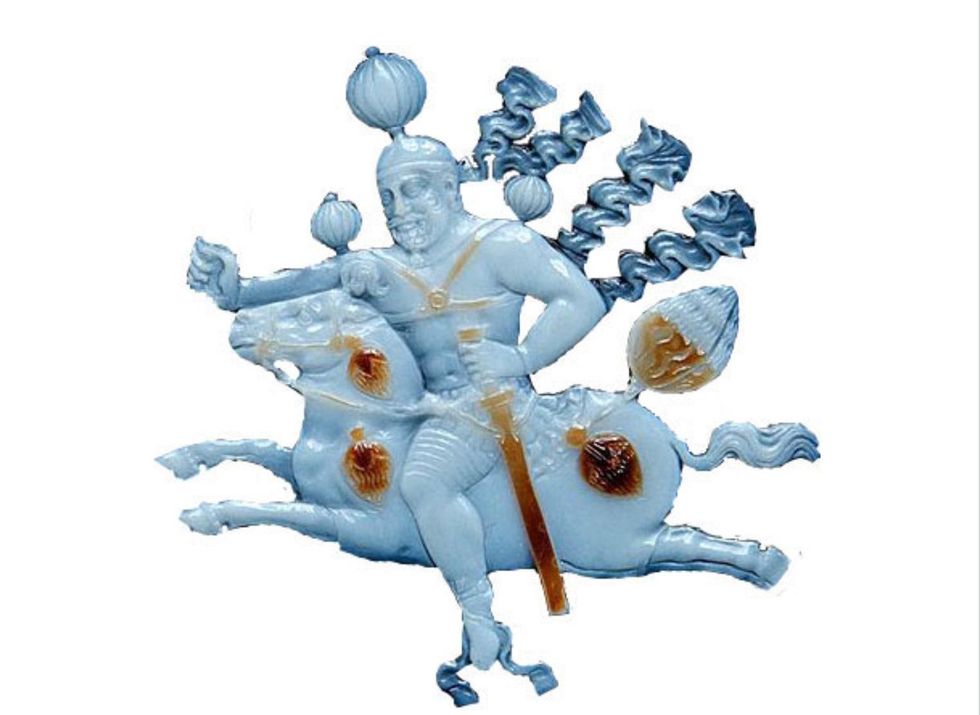
- Sassanian King Shahpur I captured Roman Emperor Valerian after defeating the Roman army at Edessa in 260; the Islamic Republic recently revived Shahpur's rock carvings at Naqsh-e-Rostam to celebrate its perceived victories over the US and Israel.
- Emperor Julian invaded Persia in 363 backing exiled Sassanian Prince Hormozd, who had spent decades in Constantinople, believing Persians would welcome him as a liberator; Julian was mortally wounded near Samarra and his successor Jovian ceded Armenia, five provinces, and the strategic fortress of Nisibis in a humiliating peace.
- Donald Trump is "far from the first foreign ruler to come to grief after launching an ill-advised military operation against Iran," with the article asking whether Trump and an Israeli leader who view themselves as military geniuses and history experts will avoid Rome's repeated mistakes.
Why it matters: The analysis grounds a contemporary warning in four documented Roman military disasters spanning roughly 400 years, from Carrhae (53 BCE) to Julian's death near Samarra (363 CE), and surfaces a striking irony the dominant US-Iran coverage ignores: the Islamic Republic revived 1,700-year-old Sassanian rock carvings at Naqsh-e-Rostam to celebrate victories over the US and Israel — a theocratic state reaching into its pre-Islamic past for symbols of resistance.
Ask SkimNews


