Oil up 30% after strikes, Fed faces policy dilemma — SkimNews
Get the Finance newsletter
Daily finance — markets, central banks, M&A, the prints that move money. Free.
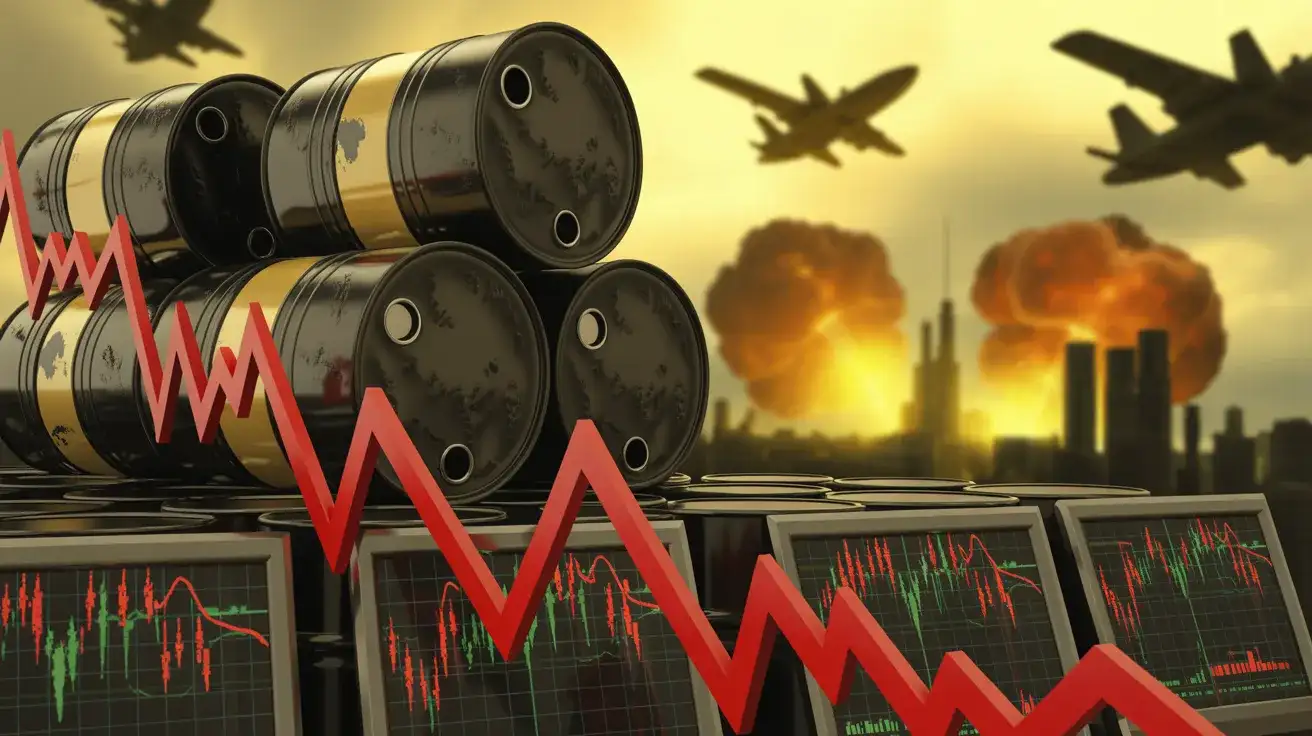
- Oil prices are trading roughly 30% above prewar levels after Middle East strikes.
- The two‑week pause in hostilities has eased fears of a sharp resurgence in global inflation, though uncertainty remains.
- Traders are weighing the potential reopening of the Strait of Hormuz and a lasting peace as factors that could stabilize oil prices.
- Israeli airstrikes in Lebanon and an Iranian strike on a Saudi oil pipeline have underscored the fragility of the ceasefire.
- Federal Reserve officials remain vigilant on inflation, with some signaling flexibility and possible further rate hikes if pressures persist.
- Interest‑rate futures show about a 25% chance of a Fed rate cut by year‑end, down from roughly 65% after the ceasefire announcement.
- Traders have scaled back expectations of further rate hikes from the European Central Bank and Bank of England.
Why it matters: Higher oil costs raise inflationary pressure, forcing the Fed to weigh keeping rates high against cutting them, which will affect borrowers, businesses, and households; the shift in market expectations from a 65% to 25% chance of a year‑end cut underscores the policy dilemma.
Ask SkimNews