Scientists discover the enzyme that lets cancer rapidly rewire its DNA
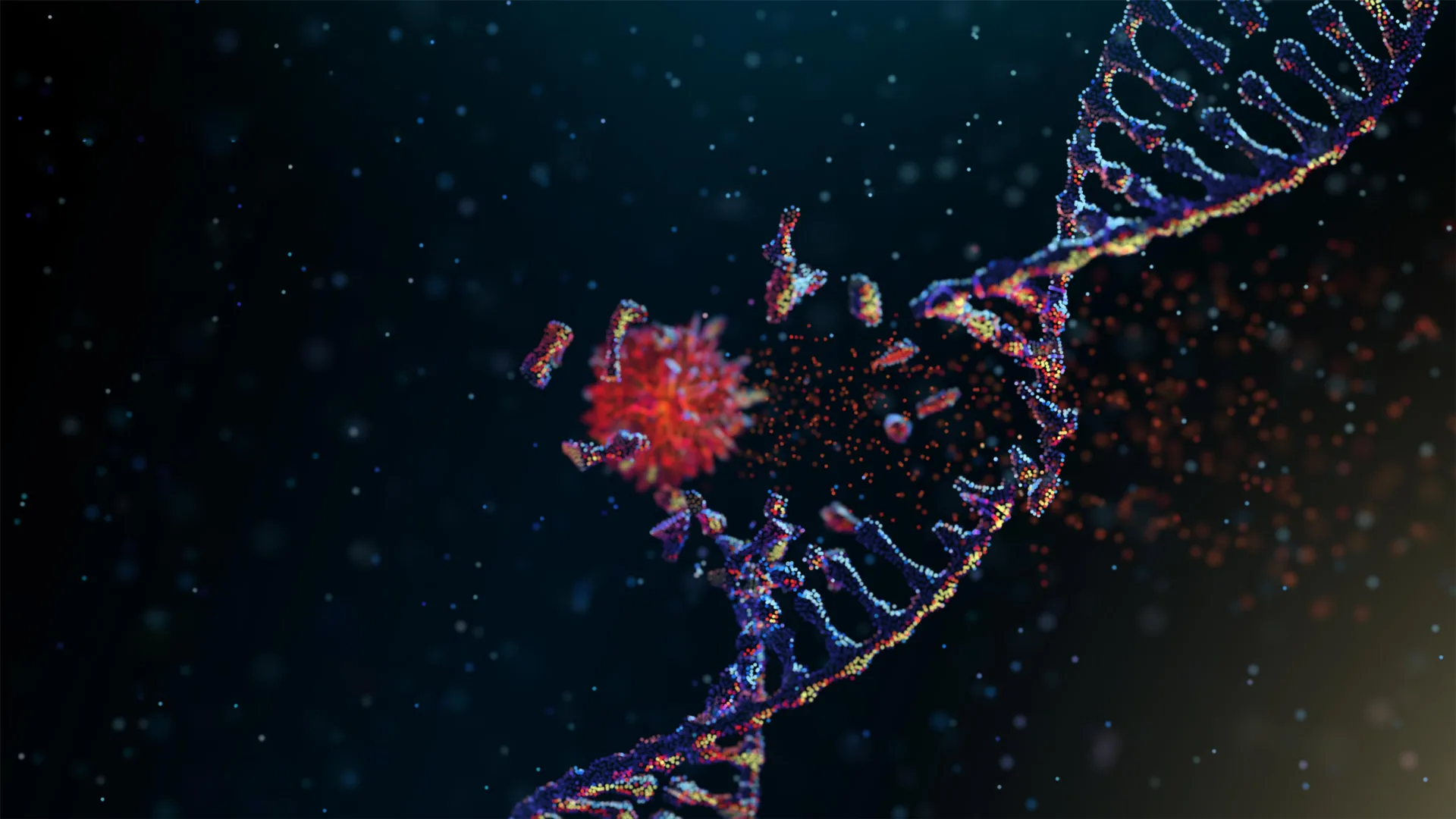
Why it matters: This breakthrough provides a tangible target for therapies that could slow down or even prevent the rapid evolution of aggressive cancers, potentially extending lives and improving treatment outcomes for a significant portion of cancer patients.
- UC San Diego scientists discovered that the N4BP2 enzyme initiates chromothripsis by breaking down DNA within micronuclei, leading to rapid genetic changes in cancer cells.
- The discovery reveals a critical molecular mechanism behind cancer's ability to quickly develop resistance to therapy, opening up new avenues for targeted drug development.
- Chromothripsis, surprisingly common in cancers like osteosarcomas and brain cancers, can now be potentially controlled by inhibiting N4BP2, offering hope for more effective treatments.
UC San Diego researchers identified the N4BP2 enzyme as the trigger for chromothripsis, a catastrophic DNA shattering event present in one in four cancers that allows tumors to rapidly evolve and resist treatment. Blocking this enzyme dramatically reduced genomic destruction, offering a promising new therapeutic target for aggressive cancers like osteosarcoma and certain brain cancers.


