Bangladesh Demands Hasina Extradition Under 2013 Treaty

Get the Geopolitics newsletter
Daily geopolitics — wars, elections, sanctions, the diplomatic moves that move markets. Free.
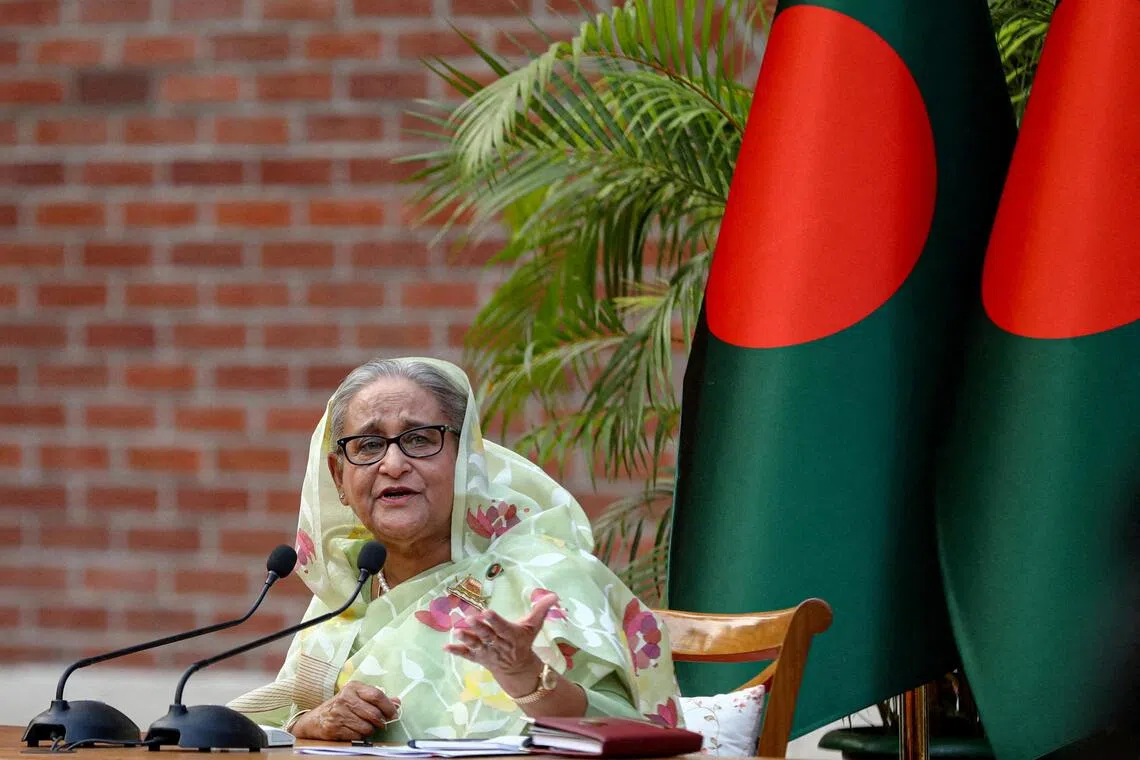
- Bangladesh formally demanded Hasina's extradition on August 16, 2026 as a condition for PM Tarique Rahman's India visit; Hasina fled to India on August 5, 2024 after the July-August 2024 uprising and has remained there since.
- Article 6 of the 2013 extradition treaty allows refusal for political offences but explicitly excludes murder, kidnapping, and manslaughter — though "political offence" remains undefined, giving India interpretive room to refuse.
- Bangladesh's International Crimes Tribunal sentenced Hasina to death on November 17, 2025 for crimes against humanity, with the UN estimating roughly 1,400 killed in the 2024 police crackdown (Bangladesh's interim government claimed 800+); former Home Minister Asaduzzaman Khan Kamal was also sentenced to death.
- Article 8 of the treaty lets India reject extradition requests not made in "good faith" or "interest of justice" — the Awami League called the ICT verdict "predetermined" and noted chief prosecutor Tajul Islam had previously represented Jamaat-e-Islami in court.
- Jamaat-e-Islami, which holds 67 seats in Bangladesh's Parliament, is pushing Dhaka to also seek extradition of suspects in the killing of radical student leader Osman Hadi, who was shot in Dhaka in December 2025 and died in Singapore on December 18.
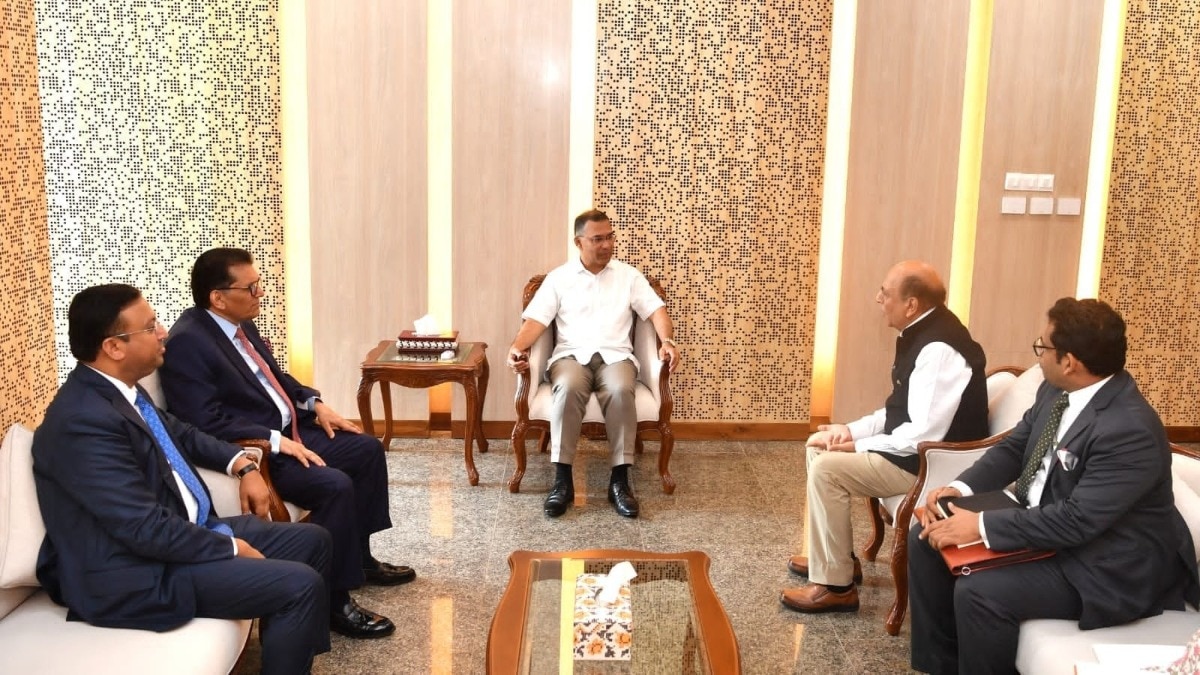
- Indian officials told media Hasina's handover risks serious law-and-order disruption; the 2013 treaty (signed January 28, 2013, effective October 23, 2013) remains the "only functioning instrument" for bilateral extradition between the two countries, having been used in cases like Noor Nabi Maxon in 2022.
Why it matters: India faces a legal-diplomatic test: the 2013 treaty's political-offence exception and 'good faith' clause give New Delhi real grounds to refuse Hasina's handover, but Bangladesh deliberately bundled the request with PM Tarique Rahman's planned India visit and the Osman Hadi suspects — making refusal a high-cost signal on cross-border justice and bilateral ties.
Ask SkimNews