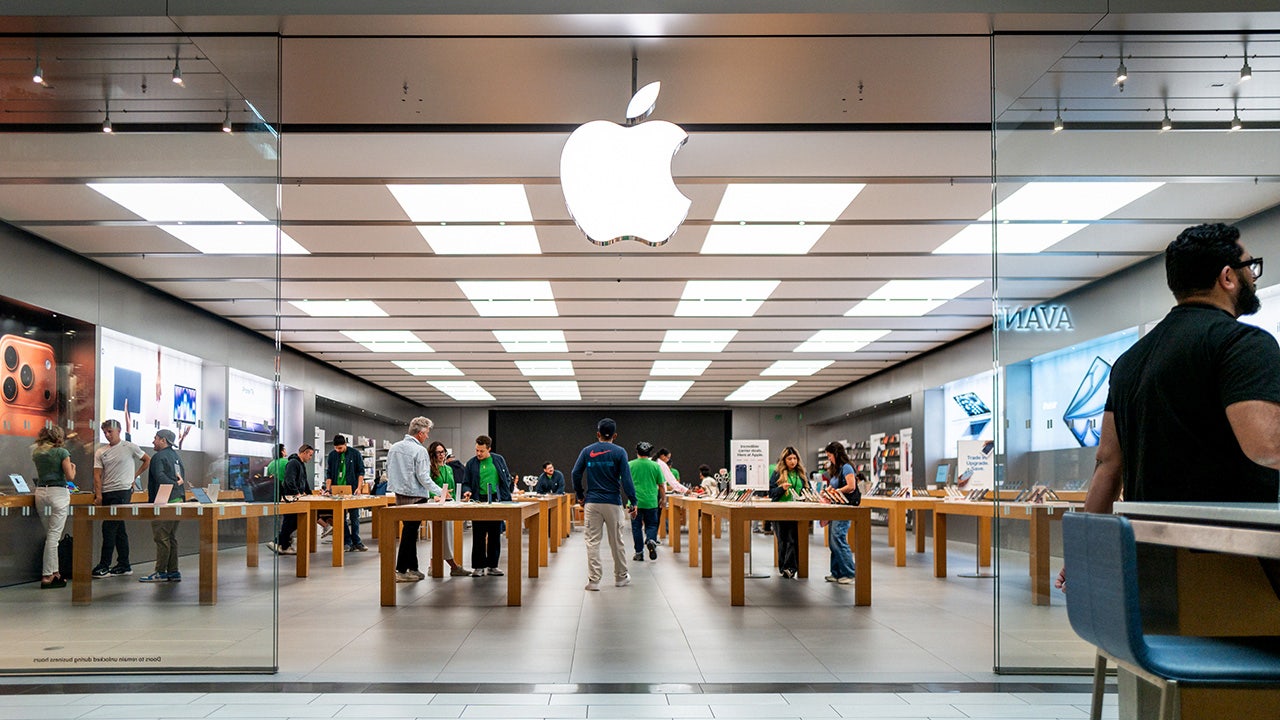
Apple Hikes Mac, iPad Prices 15-25% Over Memory Costs — SkimNews
Get the Finance newsletter
Daily finance — markets, central banks, M&A, the prints that move money. Free.
- Apple raised prices on Macs, iPads, and other products by 15%-25%, according to the Wall Street Journal, citing an unprecedented surge in memory costs.
- Apple said it has "never seen a component price increase this much, this quickly," language the WSJ flagged as unusually direct for the company on supply-chain pressure.
- Tim Cook publicly warned one week earlier that higher memory costs made price hikes "unavoidable," setting up the increase before it landed.
- iPhone prices were left unchanged in this round, a carve-out multiple outlets (Fast Company, Gizmodo) noted despite the otherwise broad increases.
- Microsoft raised Xbox console prices in parallel, per the Associated Press, indicating the memory squeeze is hitting the broader hardware industry rather than just Apple.
- Apple's stock dropped on the news, per CNBC and Mac Observer headlines, with analysts debating whether the company can absorb the margin hit or pass more through later.
- Related coverage from SiliconANGLE and Android Police pinned the root cause on AI-driven demand for memory chips, a framing the WSJ-led coverage leads with less directly.
Why it matters: Apple is absorbing an unprecedented memory-cost shock by protecting iPhone — its volume flagship — while extracting 15-25% from Mac and iPad buyers with fewer alternatives. Microsoft's simultaneous Xbox hike, per the Associated Press, signals this is an industry-wide memory squeeze tied to AI demand, not an Apple-specific pricing choice, meaning consumers face higher prices across the hardware stack regardless of brand loyalty.
Ask SkimNews