Sale of multimillion-dollar T rex skeleton is big headache for scientists — SkimNews
Get the Health newsletter
Daily health & science — research, biotech, public health, the studies worth knowing. Free.
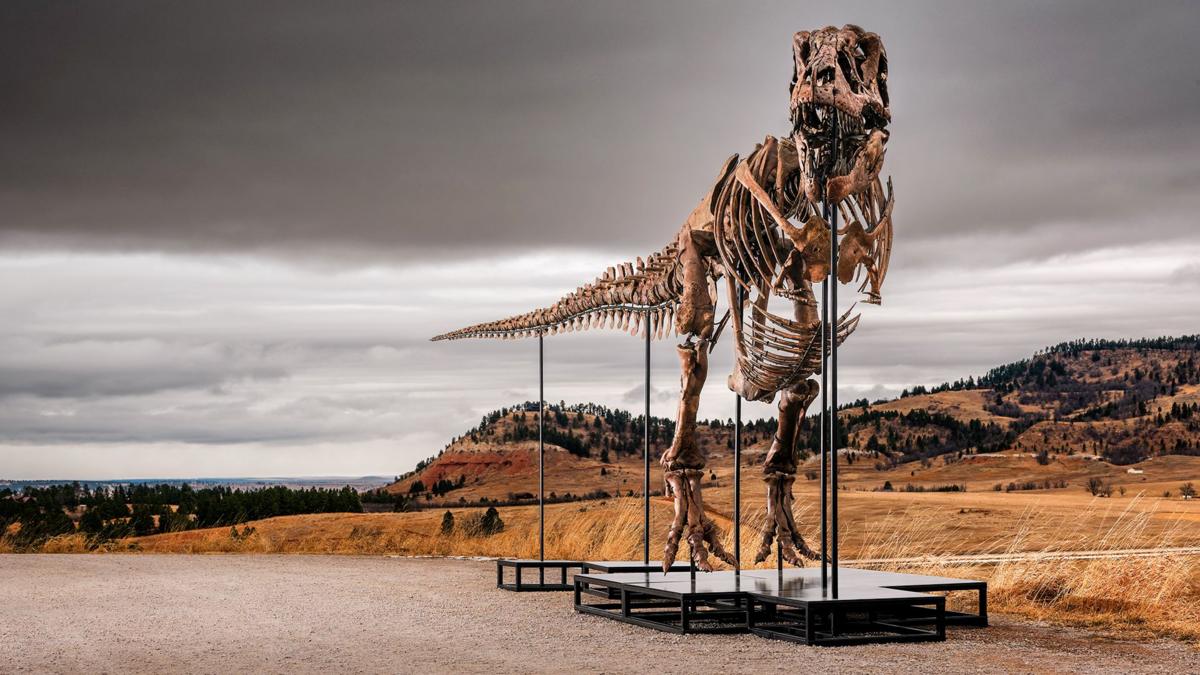
- "Gus" the T. rex is being auctioned by Sotheby's in New York on Tuesday with an estimated sale price of $20m–$30m (£15m–£22.4m).
- Gus is approximately 67 million years old, stands 3.8 metres (12.5ft) tall, and was excavated over three years from 2021 on a ranch in Harding County, South Dakota, by the commercial outfit Theropoda Expeditions.
- The stegosaurus "Apex" holds the auction record, selling at Sotheby's in 2024 for $44.6m — 11 times its listing price.
- Prof Richard Butler of the University of Birmingham said fossils not in recognized museum collections are "lost to research," with prices "increasingly out of the reach of museums, much to the detriment of science."
- Prof Stephen Brusatte of the University of Edinburgh acknowledged the US auction is legal but warned that "those prices can only be paid by the super-rich," while Dr Thomas Carr of Carthage College argued private collections offer "no guarantee" of long-term scientific access.
- Many scientific journals now require research papers to be based on fossils housed in permanent public repositories, per the source, a standard private ownership cannot satisfy.
- The first T. rex sold at auction, "Sue," was bought in 1997 by the Field Museum in Chicago for $8m with backing from McDonald's Corporation and private donors — a fraction of today's prices.
Why it matters: With T. rex skeletons now commanding $20m–$30m at auction and Apex fetching $44.6m in 2024, museums and universities are priced out of acquiring specimens outright. Private buyers can recall loans at any time, undermining the repeat-access principles many journals now require for published paleontology research.
Ask SkimNews