Europe's Worst Wildfires Since WWII Force 300,000 Evacuations
Get the Energy newsletter
Daily energy & climate — solar, EVs, oil, the policy fights and tech bets shaping the transition. Free.
- Wildfires across France, Spain, and Portugal have forced more than 300,000 evacuations since mid-July, with President Macron calling France's Gironde blaze the "toughest since World War Two" and "completely unprecedented," according to the source
- The Gironde wildfire burned more than 162 sq miles (420 sq km) in less than four days — roughly four times the size of Paris — and came within 9 miles of Bordeaux while threatening facilities linked to French ballistic missiles, rocket motors, and hazardous chemicals processing
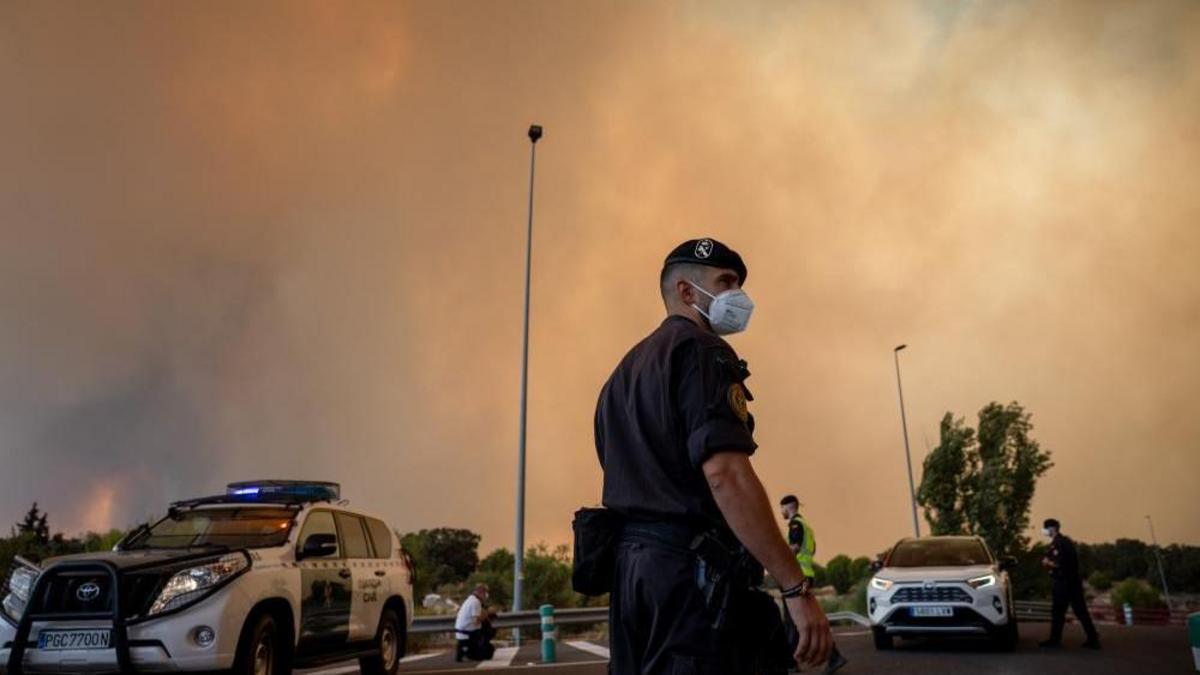
- Fires outside Madrid have scorched about 606 sq miles since 1 July, more than twice the size of Madrid itself, with government delegate Francisco Martín describing one blaze as "undoubtedly the largest in the history of the Madrid region"
- The blazes became so intense they spawned their own pyrocumulonimbus thunderstorms — rare weather events where heat drives smoke and moisture into the atmosphere, generating lightning that ignites new fires and occasionally produces hail and rain
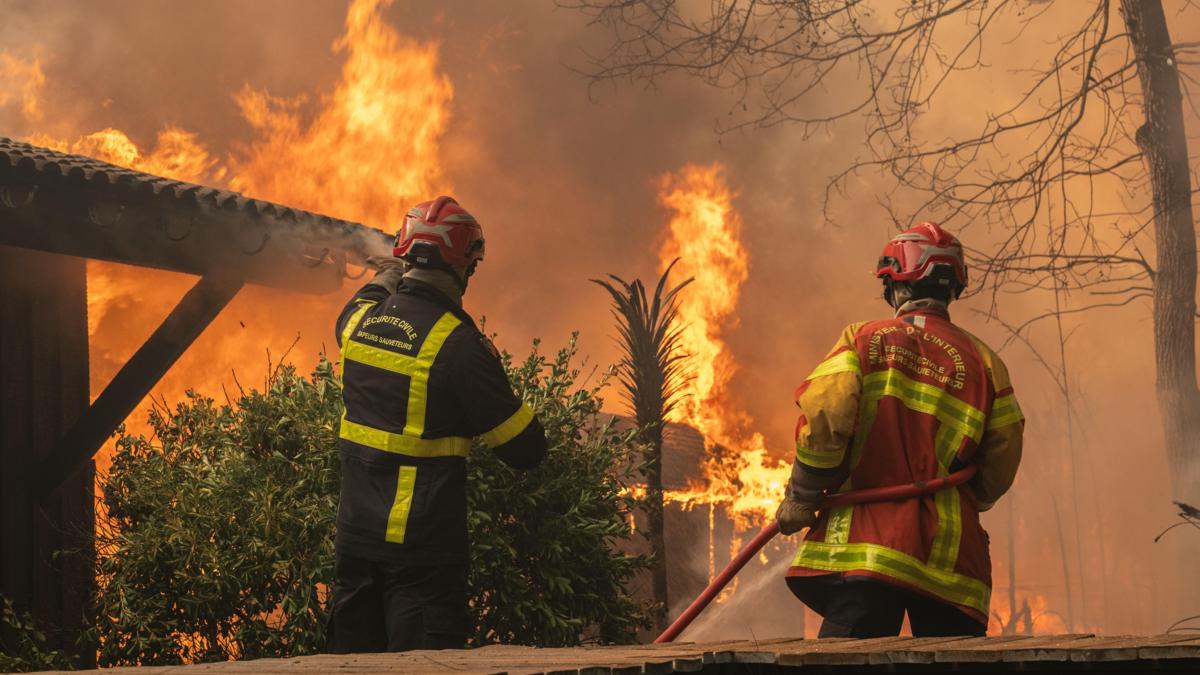
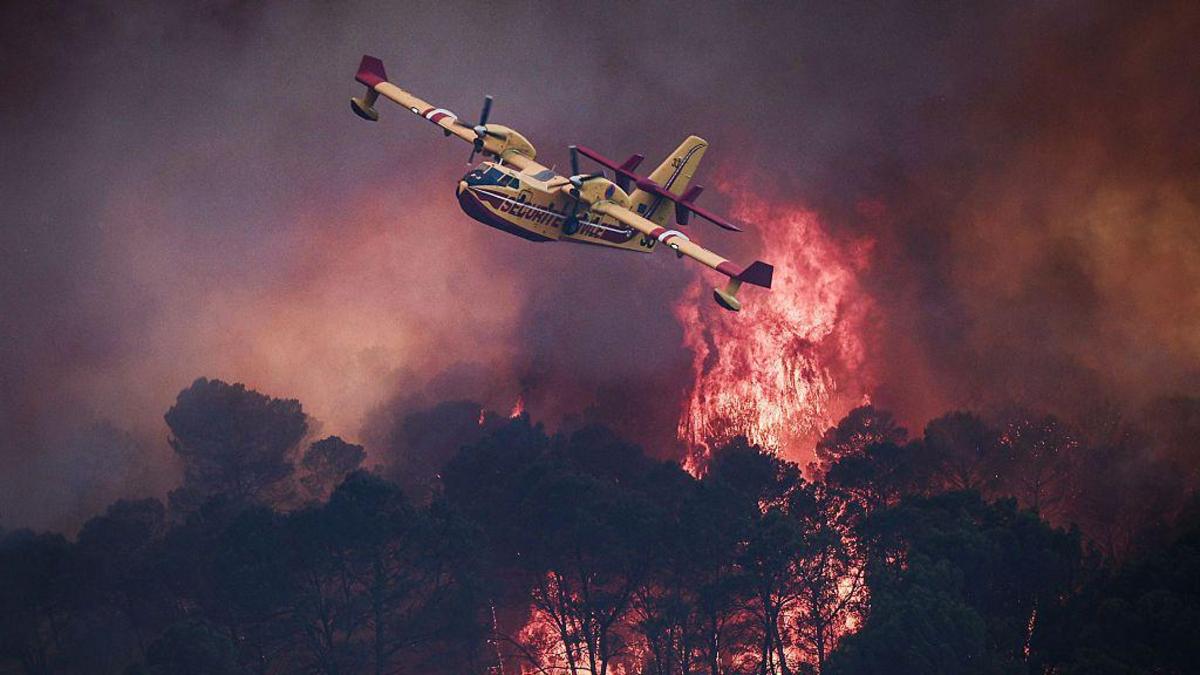
- French firefighting efforts deployed 2,500 firefighters, 1,500 military personnel, and 1,200 police and gendarmes in Gironde, with Canadair planes capable of scooping 6,000 litres of water in 12 seconds and dropping it directly on the flames
- Four French firefighters have died on duty, and Gironde official Jean-Luc Gleyze told the BBC that France lacks enough personnel and trucks to combat the fires
- Prime Minister Pedro Sánchez linked the crisis to climate change, calling "climate denial" the worst fuel for the emergency as Spain's fires are on course to become the country's worst in two decades
Why it matters: Gironde official Gleyze publicly admitted France lacks enough firefighters and trucks to combat the blazes — a rare on-the-record acknowledgment of a capacity gap. With 41-42C peaks forecast and Spain's worst fire damage in two decades unfolding, the fires are exposing structural weaknesses in southern Europe's wildfire response just as climate-driven heat intensifies.