France, Spain Wildfires Force 300,000 to Evacuate
Get the Energy newsletter
Daily energy & climate — solar, EVs, oil, the policy fights and tech bets shaping the transition. Free.
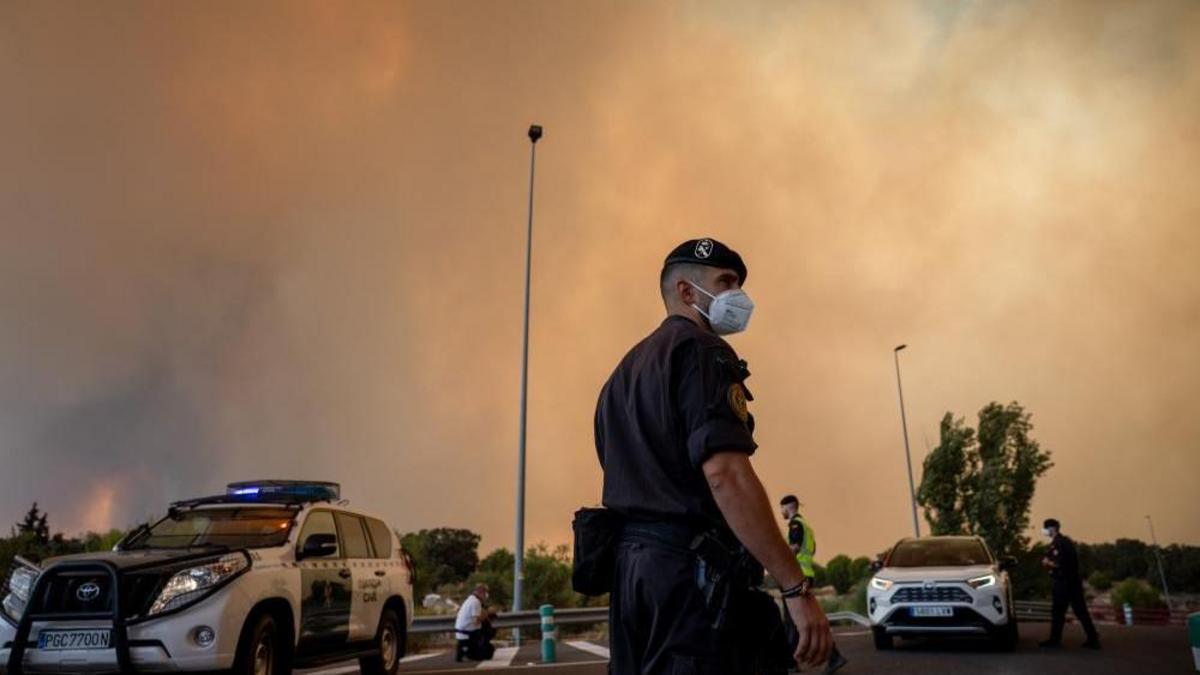
- France and Spain face their worst wildfires in decades, with more than 300,000 people evacuated and Madrid's government delegate Francisco Martin calling one blaze "undoubtedly the largest fire in the history of the Madrid region."
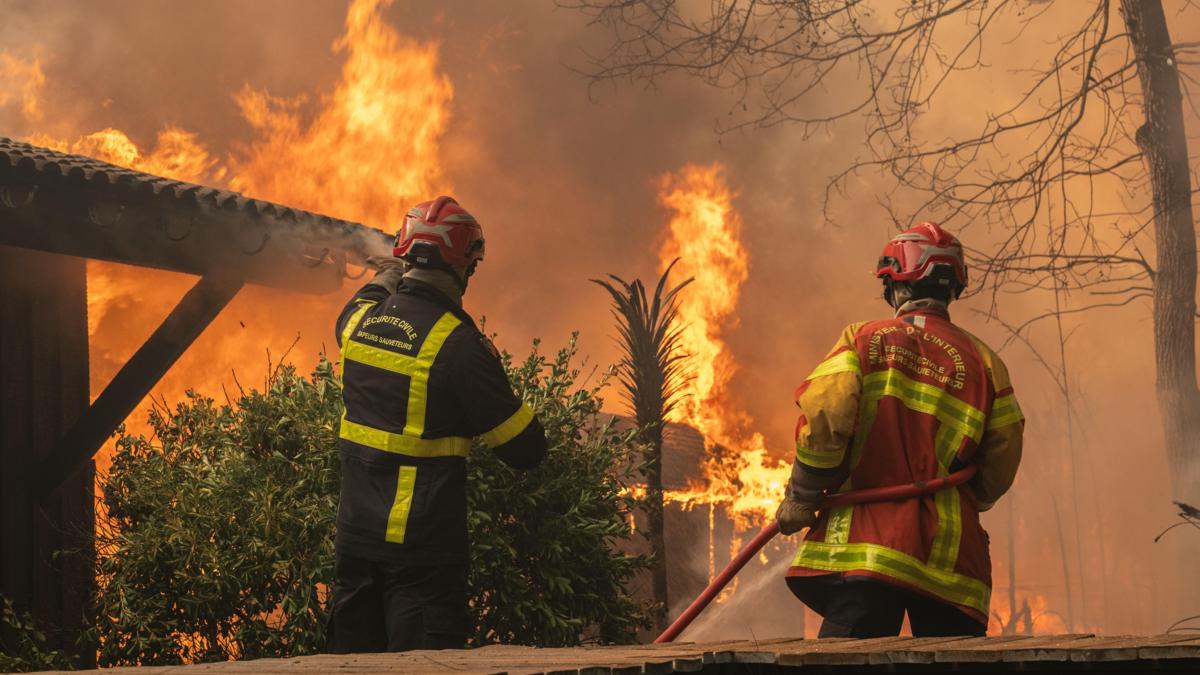
- Gironde, France has borne the brunt, with 200,000+ evacuated and 162 square miles (420 sq km) burned in less than four days — roughly four times the size of Paris — as the blaze creeps within nine miles of southern Bordeaux.
- Madrid-region fires have together scorched about 297 square miles (770 sq km), an area authorities estimate is larger than the city of Madrid itself.
- The Gironde fire threatened sensitive military and industrial sites, including facilities that work on French ballistic missiles, rocket motors, and hazardous-chemicals processing.
- French authorities mobilized 2,500 firefighters, 1,500 military personnel, and 1,200 police and gendarmes, yet Gironde official Jean Luc Gleyze told the BBC, "We don't have enough people and enough trucks and even I think France don't have enough."
- The blazes generated a rare pyrocumulonimbus "fire thunderstorm," formed when wildfire heat drives smoke and water vapor into cumulonimbus clouds that can produce lightning, hail, and even spark new fires.
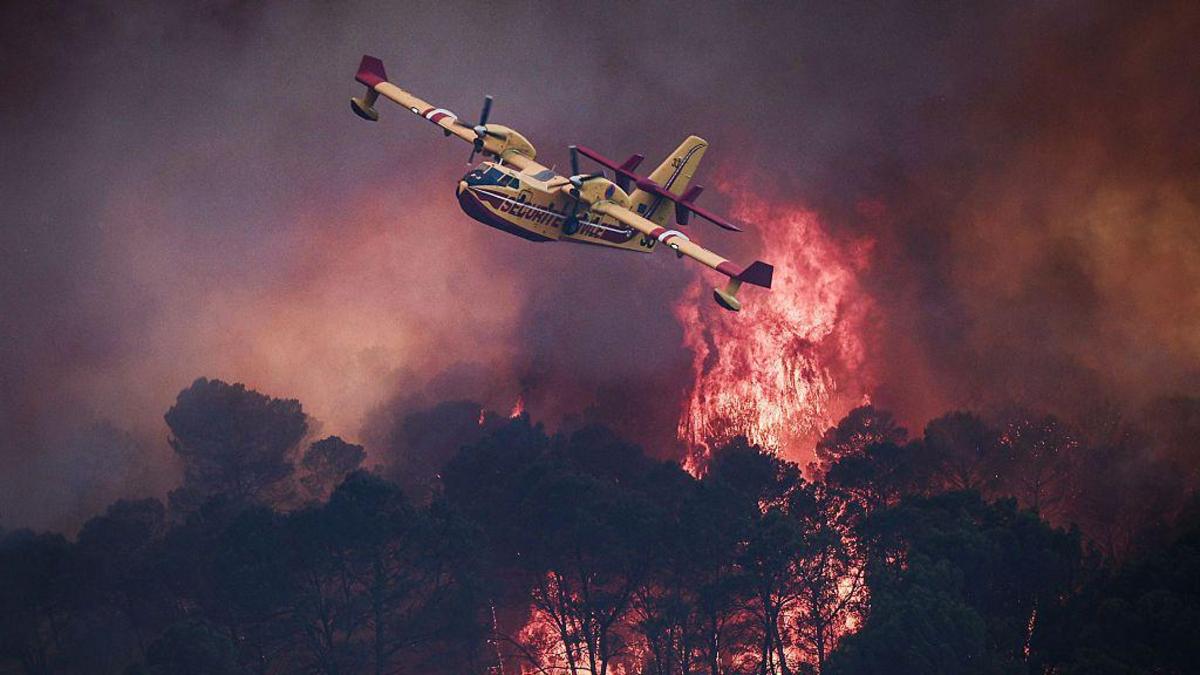
- Firefighting tactics included Canadair aircraft scooping 6,000 liters of water in 12 seconds and bulldozers carving a 100-meter-wide firebreak near Lacanau, while climate-change-driven heat and high pressure were forecast to worsen conditions the following week.
Why it matters: Mass evacuations in two of Western Europe's largest nations, with 300,000 displaced and a Gironde fire within nine miles of Bordeaux, show climate-fueled wildfires are now a continental-scale emergency. The fire's reach toward French ballistic-missile and rocket-motor facilities marks a rare crossover of climate crisis and strategic national-security infrastructure — with officials publicly conceding they lack the personnel and trucks to contain it.