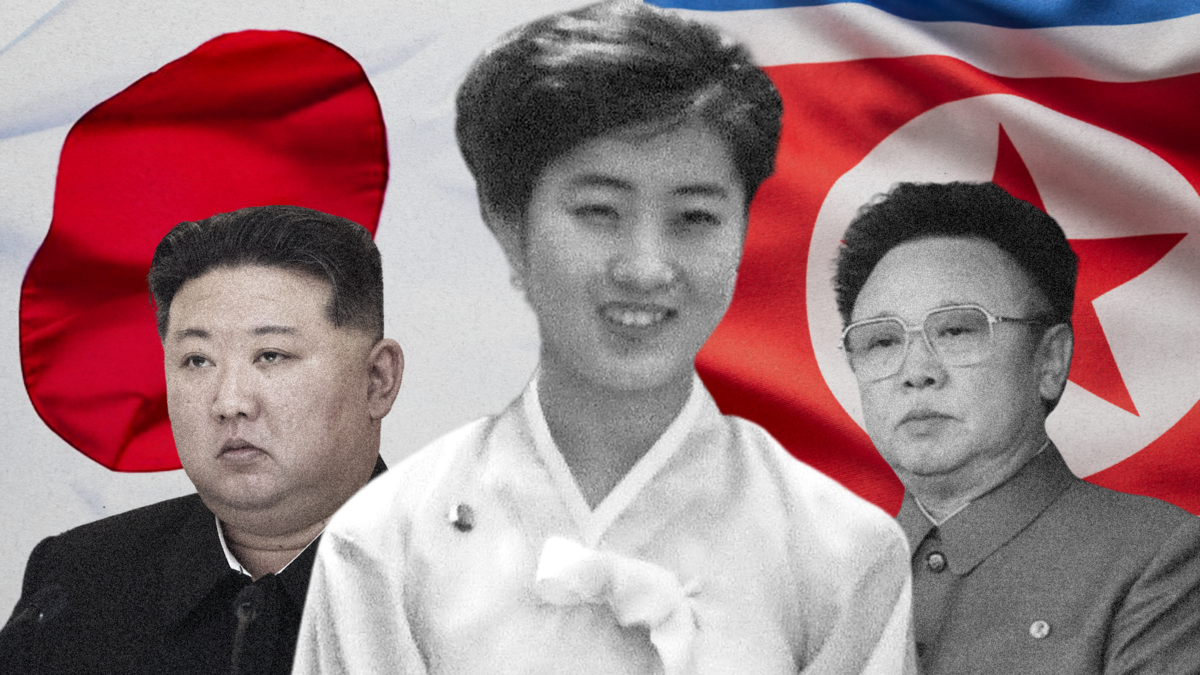
Kim Jong Un's Secret: His Mother's Japanese Origins
Get the Geopolitics newsletter
Daily geopolitics — wars, elections, sanctions, the diplomatic moves that move markets. Free.
- Kim Jong Un has never publicly mentioned his mother Ko Yong Hui by name in 15 years of rule, a silence analysts link to the regime's sacred 'Mount Paektu' bloodline mythology that legitimizes the Kim dynasty.
- Ko Yong Hui was born in Osaka, Japan in 1952 to Zainichi Korean parents from Jeju Island; her family emigrated to North Korea around age 10 as part of a resettlement program that drew roughly 93,000 Koreans between 1959 and 1984.
- Ko Yong Hui was classified as 'jjaepo' — a disparaged 'wavering class' in North Korea's songbun caste system — because of her origins in capitalist Japan, and was never formally recognized as Kim Il Sung's daughter-in-law.
- Ko Yong Hui became Kim Jong Il's de facto first lady after Kim Il Sung's death, accompanying him on military inspections and shaping policy, though a 2011 documentary about her was shown only to senior officials before being recalled after leaking via USB drives.
- Kim Jong Un rose to power as Kim Jong Il's youngest son through Ko — half-brother Kim Jong Nam was exiled and assassinated with a nerve agent in Malaysia in 2017, while brother Kim Jong Chul was ruled out due to opium addiction.
- Ko Yong Hui died of breast cancer at a Paris hospital in 2004, with her death going unremarked by North Korean state media — and exiled diplomat Ryu Hyun-woo warns revealing her Zainichi Japanese origins would hit North Korean society 'like a nuclear bomb.'
- Kim Jong Un has publicly presented his wife Ri Sol Ju and daughter Ju Ae — analysts attribute this to a 'perceived deficiency' around his mother's origins and his need to establish personal legitimacy.
Why it matters: The Paektu bloodline is the ideological foundation of Kim Jong Un's rule. His mother Ko Yong Hui's Zainichi Japanese origins placed her in North Korea's lowest social tier, and exiled diplomat Ryu Hyun-woo warns public revelation would hit society 'like a nuclear bomb' — explaining both Kim's 15-year silence about her and his unusual eagerness to showcase his own family.

