Why did 20% of the NBA participate in a complicated six-team trade involving 10 role players? — SkimNews
Get the Sports newsletter
Daily sports — scores, transfers, the storylines from the leagues you actually follow. Free.
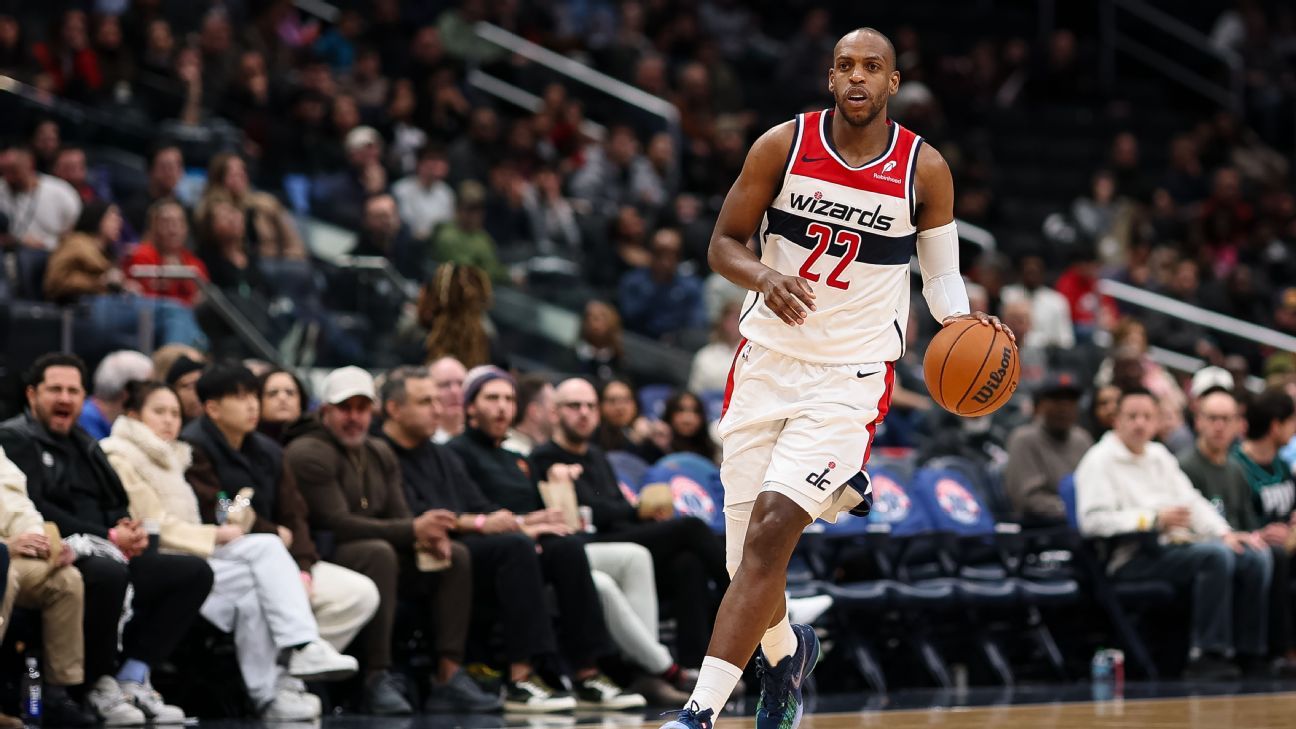
- Khris Middleton returned to the Washington Wizards on a three-year, $17.6 million deal that was folded into a six-team, 10-player sign-and-trade spanning roughly one-fifth of the NBA.
- The Wizards absorbed Deandre Ayton ($8.1M) and Middleton ($5.6M) into their expiring $13.4M trade exception, then routed Russell to Memphis for second-round picks — preserving their full mid-level exception and opening around $11M below the luxury tax line.
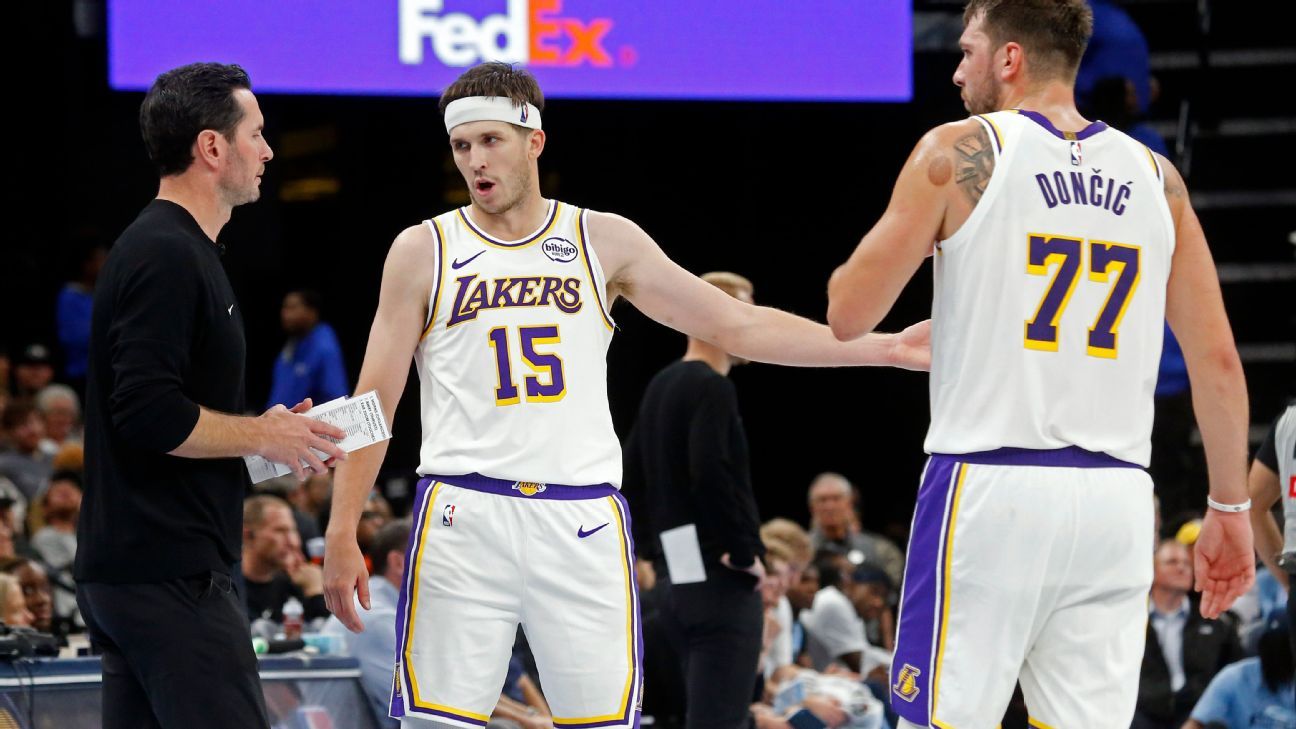
- The Memphis Grizzlies used Santi Aldama's $17M outgoing salary to match money for Stewart ($15M), Russell ($6M), and Johnson ($3.2M), keeping their $28M Jared Jackson Jr. trade exception available for a larger future deal.
- The Detroit Pistons stayed over the cap so they could preserve Bird Rights on Kevin Huerter and retain their own mid-level exception to absorb Isaiah Joe from Oklahoma City, generating two new trade exceptions ($15M and $5.2M) along the way.
- The Los Angeles Clippers converted the loss of Collins into a sign-and-trade, producing a trade exception at his new salary plus a second-round pick from Detroit instead of letting him walk for nothing.
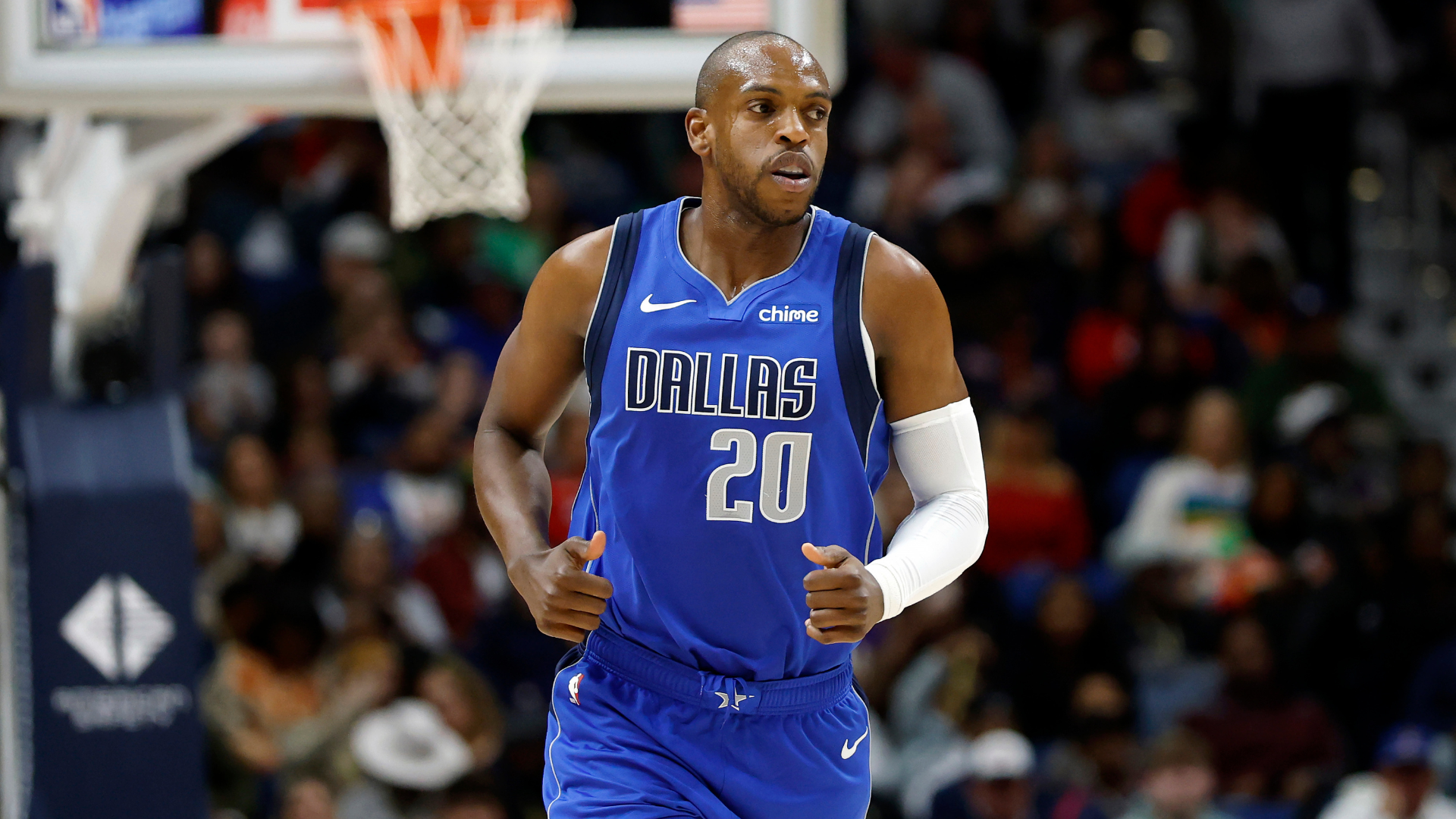
- The Dallas Mavericks combined Middleton and Johnson to match salary for Aldama, preserving both their mid-level exception and the $20.3M trade exception created when they dealt Anthony Davis in February.
- Each individual move — Stewart to Memphis, the Collins deal, the Aldama deal — was reported on its own before the moratorium; teams then rewired them into one mega-deal to harvest granular cap advantages under the 2023 CBA.
Why it matters: Under the post-2023 CBA's restrictive apron rules, every preserved exception and freed tax-line dollar matters: the Wizards alone converted a simple Middleton signing into a path to keep their full mid-level exception and roughly $11M of breathing room. That six franchises — 20% of the league — coordinated to file a single transaction shows how cap engineering, not player movement, has become the real engine of the NBA's transaction cycle.
Ask SkimNews