Uber Pushes Beyond Rides With Hotels, AV Data, AI Labels

SkimNews Take
The unifying thread across hotels, boat rentals, AV data, and AI data-labeling — which the article doesn't name — is Uber positioning as a supply aggregator selling both travel demand and labeled mobility data to AI systems, sidestepping the "super-app" label while pursuing similar aggregation economics.
Get the Tech newsletter
Daily tech — startups, AI labs, chips, the launches that shape the next decade. Free.
- Uber is expanding beyond rides and delivery with hotel bookings through an Expedia partnership, boat rentals in Europe, and a "shop for me" concierge, framing travel — which accounts for 1.5 billion trips annually outside users' home cities — as the "third leg of the stool."
- Uber wound down its Waymo pilot in Phoenix while scaling to hundreds of cars in Austin and Atlanta; Kansal called Waymo "an excellent partner" that is also a competitor in some cities, saying Uber wants to be the "race track" for multiple AV players rather than an L4 provider itself.
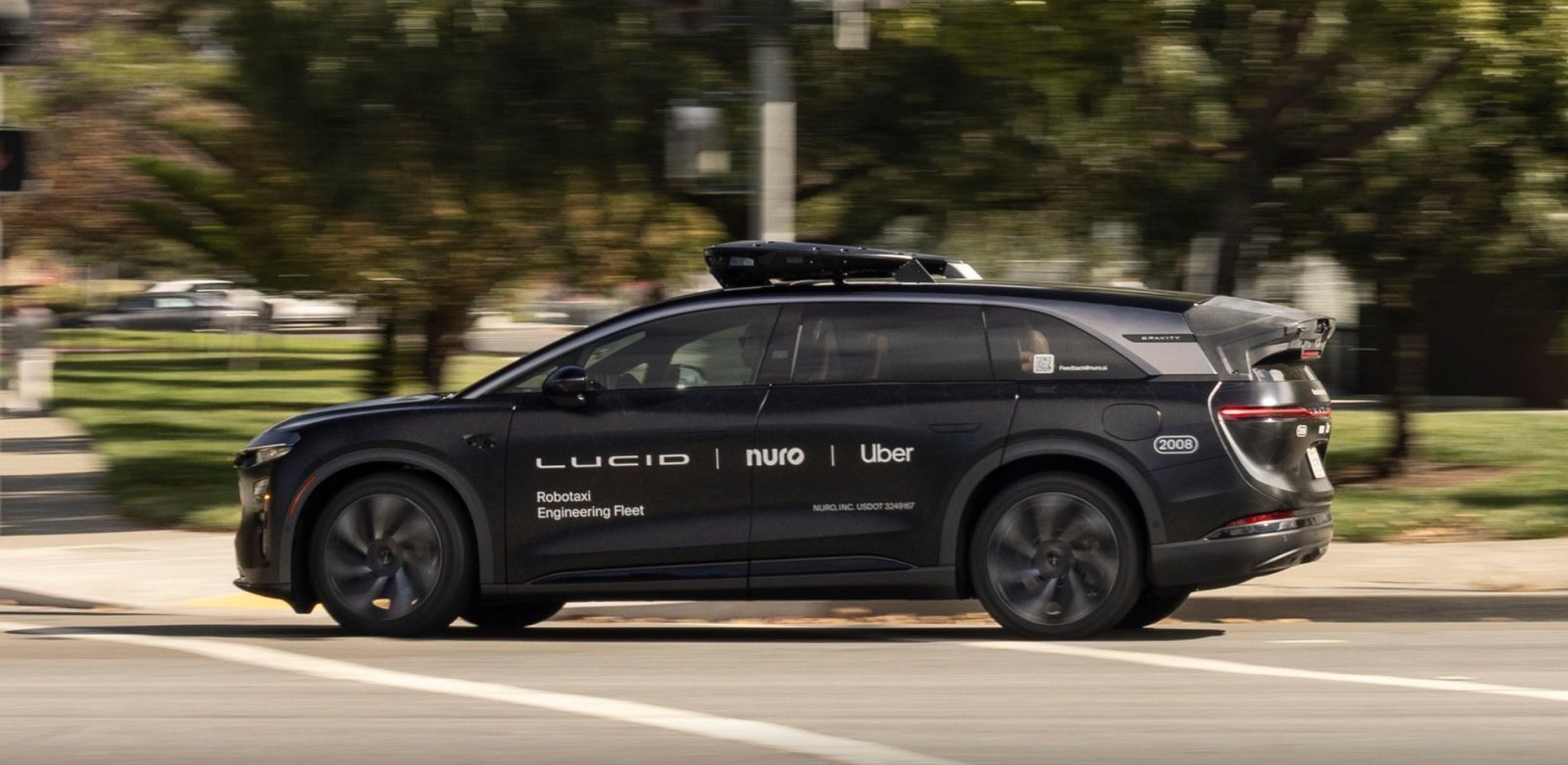
- AV Labs, a six-month-old Uber unit, is equipping hundreds of cars with sensors through fleet partners to collect millions of miles of driving data — a move Kansal said helps address the "long-tail problem" of edge cases and gives Uber leverage over AV partners it also competes with and holds equity in.
- Uber is selling labeled data — including audio transcription — to Gen AI companies using its 10 million earners; Kansal said drivers are paid for this work when not on trips and explicitly denied any in-ride conversation recording.
- Uber Eats is now independently profitable after several quarters, according to Kansal, breaking from the pattern of delivery being subsidized by ride-hailing margins; Uber One membership has grown to 51 million members and accounts for roughly half of bookings, with cross-use rising between mobility and delivery users.
Why it matters: Uber's 'hybrid network' pitch — partnering with Waymo while collecting its own data through AV Labs — positions it as the platform layer if autonomy disrupts ride-hailing. Its disclosed Gen AI data-labeling business also turns 10 million earners into a labor pool for AI training, creating a new revenue stream dependent on off-trip driver work.