Pakistani gambit: Can ‘coalition of the constrained’ make a difference?
Why it matters: The crisis risks disrupting global supply chains and aggravating inflation and food insecurity for millions worldwide.
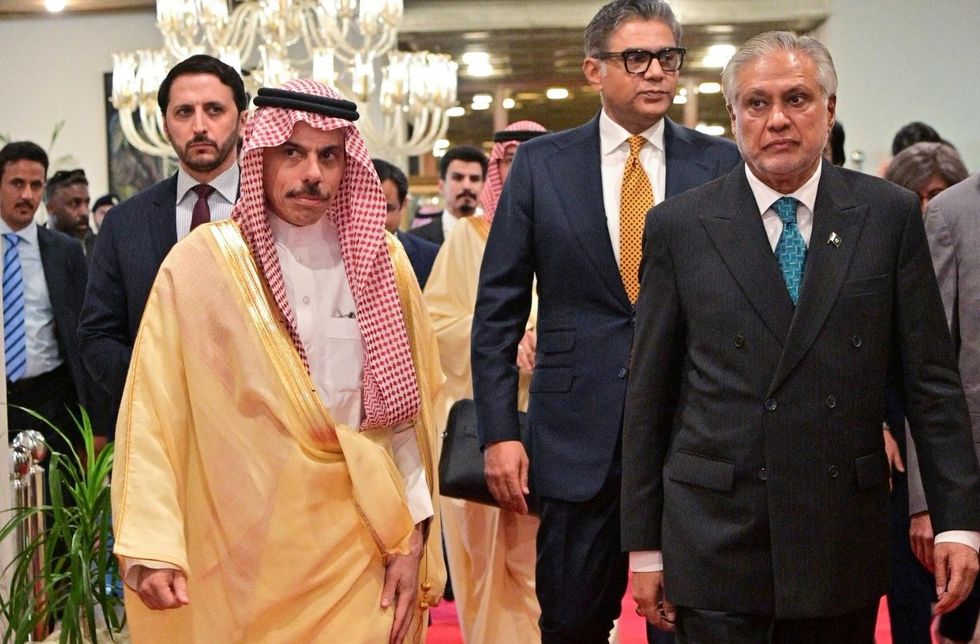
- Pakistan hosted a two-day meeting with Saudi Arabia, Egypt, and Turkey to discuss de-escalation and potential U.S.-Iran negotiations, aiming to avoid being drawn into an expanding war.
- Pakistan and China jointly announced a five-point initiative to restore peace and stability in the Gulf and Middle East, underscoring a broader diplomatic push.
- Jamal Aziz, Executive Director of the Research Society of International Law, highlights Pakistan's "enormous stakes" and decades of engagement with Washington, positioning it as a credible and motivated mediator.
- Disruption in the Strait of Hormuz, through which roughly a fifth of the world’s oil supply passes, has already triggered a spike in energy prices, signaling the conflict's systemic economic shock.
As the U.S.-Israeli war on Iran escalates into a "dangerous and unpredictable" phase, Pakistan has convened a critical meeting with Saudi Arabia, Egypt, and Turkey to explore de-escalation and potential U.S.-Iran negotiations on Pakistani soil. This effort, alongside a joint initiative with China, represents a desperate regional gambit to prevent a wider conflict that threatens global energy markets and supply chains.