Oil Drops Below $100 as US-Iran Agree to 2-Week Ceasefire — SkimNews
Get the Geopolitics newsletter
Daily geopolitics — wars, elections, sanctions, the diplomatic moves that move markets. Free.
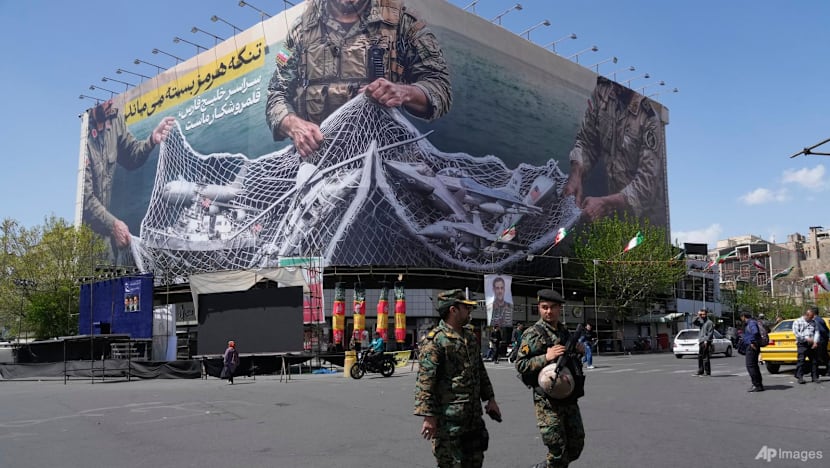
- The US and Iran agreed to a two-week ceasefire that includes reopening the Strait of Hormuz, though neither side stated when it would begin and attacks continued in Israel, Iran, and across the Gulf early Wednesday.
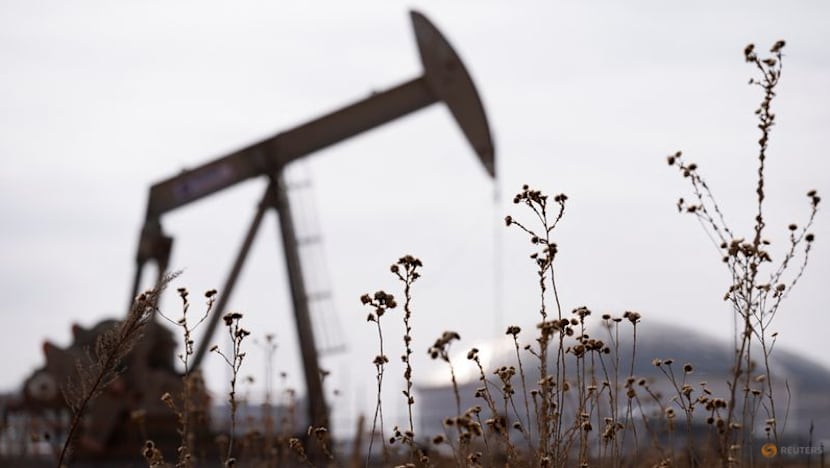
- Oil futures collapsed — US crude sank 14.3% to $96.83 a barrel and Brent crude dropped 13.3% to $94.74, after benchmark US crude had briefly spiked above $117 earlier in the session.
- Asian equities rallied sharply, with Japan's Nikkei 225 rising 4.8% and South Korea's Kospi gaining 5.6% on news of the ceasefire.
- S&P 500 futures jumped 2.3% and Dow futures rose 2% as of 9:30 p.m. EDT, after the S&P 500 had swung as much as 1.2% lower during regular trading before closing with a modest 0.1% gain.
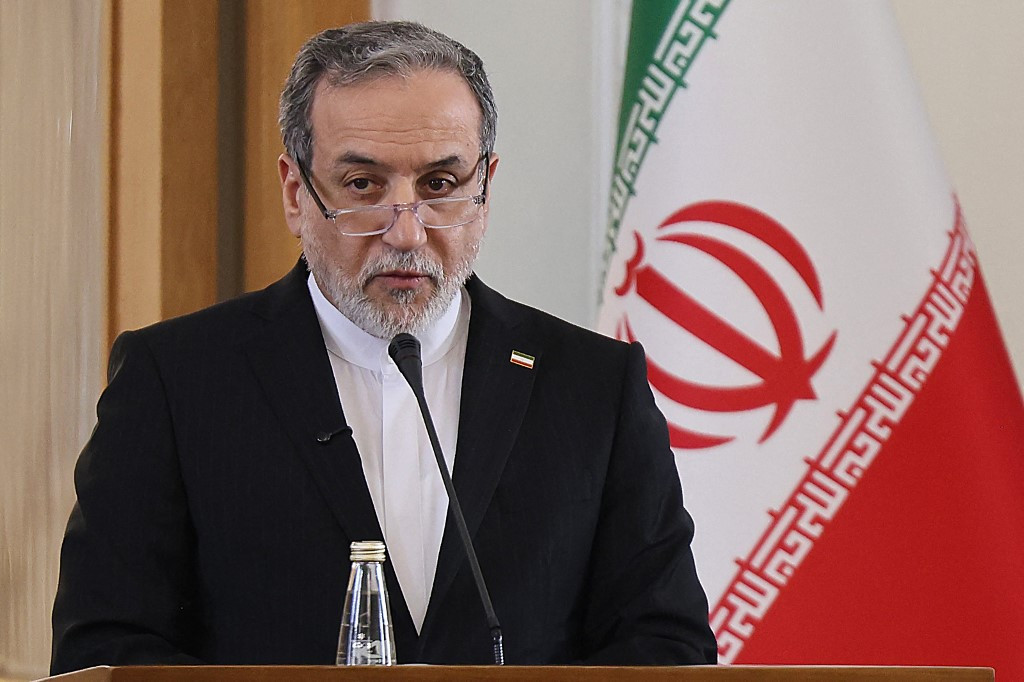
- Trump held off on threatened attacks on Iranian bridges, power plants, and other civilian targets, while Iran's foreign minister said strait passage would be permitted for two weeks under Iranian military management.
- Pakistan's prime minister urged Trump to extend the deadline by two weeks and asked Iran to open the strait, a diplomatic intervention that helped the S&P 500 recover from its intraday slide.
- The 10-year Treasury yield eased to 4.24% from 4.30% on ceasefire news, but remains well above its 3.97% pre-war level, and the average US gasoline price has leaped to $4.14 per gallon from below $3 before the late-February conflict began.
Why it matters: A 14.3% single-session oil plunge and double-digit gains in Asian equities show markets pricing in significant relief from the Persian Gulf supply shock, yet the 10-year Treasury yield remains 27 basis points above its pre-war level — keeping mortgage and loan rates elevated for US households and businesses even as gasoline at $4.14 a gallon signals the inflation pass-through is already baked in.
Ask SkimNews