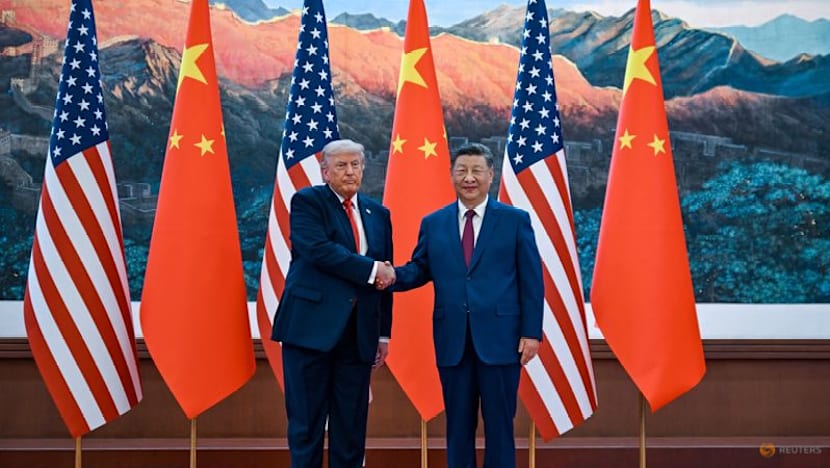
Uyghur Americans Lose Faith After Trump-Xi Summit

Get the Geopolitics newsletter
Daily geopolitics — wars, elections, sanctions, the diplomatic moves that move markets. Free.
- Trump's summit with Xi Jinping in Beijing produced no breakthroughs on Uyghur human rights, with neither the White House nor China's Ministry of Foreign Affairs mentioning the issue in official readouts, and Trump subsequently calling Xi a "friend" and "good man" on June 3.
- Both chambers of Congress passed resolutions days before Trump's departure urging the release of six Chinese Communist Party detainees, including Dr. Gulshan Abbas, a retired medical doctor imprisoned for nearly eight years after her sister testified in Washington.
- The Uyghur Forced Labor Prevention Act's entities list — designed to block imports of goods made with forced Xinjiang labor — has not been updated since Trump took office in January, and experts told The Diplomat enforcement should be prioritized over diplomatic engagement.
- The Uyghur diaspora is divided: some, like Rushan Abbas, still believe Trump administration officials are working behind the scenes, while others like activist Salih Hudayar say the summit itself, held "in spite of the ongoing genocide," was the "biggest loss for us."
- The FBI stated on May 25 that the Chinese government is "the most prolific transnational repression perpetrator" abroad, targeting activists and minorities in the US — a fear that has made Uyghurs "very scared to speak openly," according to Uyghur Human Rights Project co-founder Omer Kanat.
- Senator Ted Cruz, who co-led the Senate resolution with Senator Dick Durbin, said he had not received a detailed readout on whether Trump raised the detainees' release with Xi; Senator Tim Kaine said he had "high hopes" that political prisoner releases would come up as a goodwill gesture.
Why it matters: The roughly 12,000 Uyghurs in the US now face a credibility crisis: the first administration to label Beijing's campaign a genocide is meeting Xi without raising it, the forced-labor enforcement list sits frozen, and transnational repression fears are silencing community advocacy — meaning a decade of congressional gains risks eroding without executive follow-through.
Ask SkimNews