Israel Envoy Claims LAF Purging Shia Over Hezbollah
Get the Geopolitics newsletter
Daily geopolitics — wars, elections, sanctions, the diplomatic moves that move markets. Free.
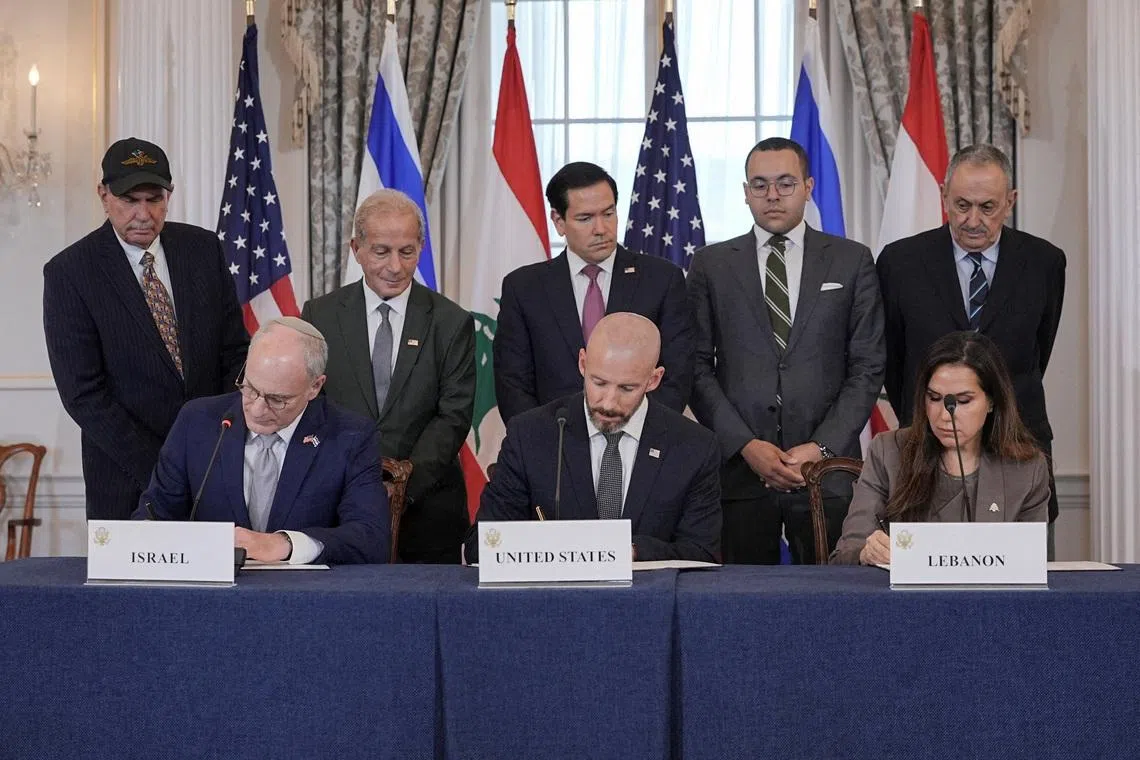
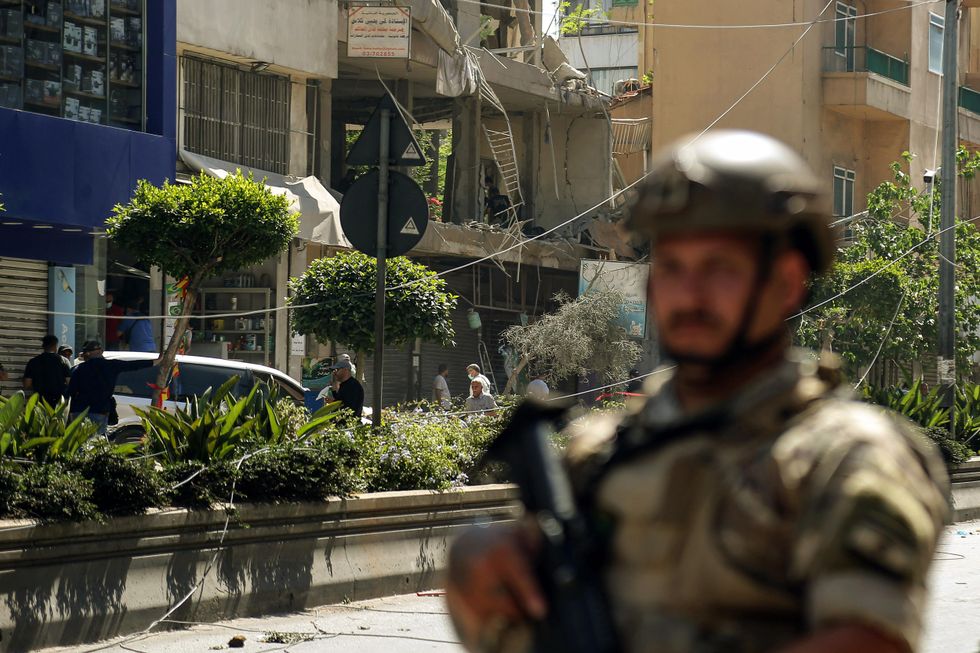
- Yechiel Leiter told a Jewish Public Policy Institute podcast that the LAF is sidelining its 25–30% Shia soldiers because 30–50% of Lebanese Shia support Hezbollah, and that a new Lebanese government is pushing those elements aside.
- Lebanese President Joseph Aoun denied both the existence of a U.S.-led plan to vet the Lebanese army and the formation of a new brigade to implement the Lebanon–Israel framework agreement linking Israeli withdrawal to Hezbollah's disarmament.
- Veteran war correspondent Elijah Magnier warned that marginalizing the Shia component would 'hollow out' the LAF as Lebanon's only institution capable of embodying sovereignty, 'exponentially increasing the risk of civil strife.'
- Israeli journalists on Channel 13 openly stated that civil war in Lebanon is a long-standing Israeli objective, with one prominent journalist replying it had been the aim 'from the start.'
- Vice President J.D. Vance argued that Iran becoming a 'Persian Libya' would harm U.S. interests, citing risks including Persian Gulf oil disruptions and ISIS-K expansion from Afghanistan — and the source applies the same Libya analogy to Lebanon.
- CIA veteran Paul Pillar said Hezbollah 'is not seeking confrontation with the United States' and is focused on Lebanon, while a March U.S. intelligence threat assessment singled out ISIS affiliates in Syria and Afghanistan as the two posing the greatest threat to the U.S. homeland.
- Syria faces destabilization risks from a failed Lebanese state at a moment when Washington is investing in propping up Syria's new leadership, compounded by recent bombings in Damascus during French President Emmanuel Macron's visit.
Why it matters: If the LAF is sidelined along sectarian lines, Lebanon loses its only multi-confessional state institution — a scenario Israeli voices have openly endorsed — and analysts warn the resulting civil strife would give ISIS in neighboring Syria a haven to expand, mirroring the Libya analogy Vance invoked to argue against an Iran state collapse.