Q&A: What England’s new ‘land-use framework’ means for climate, nature and food
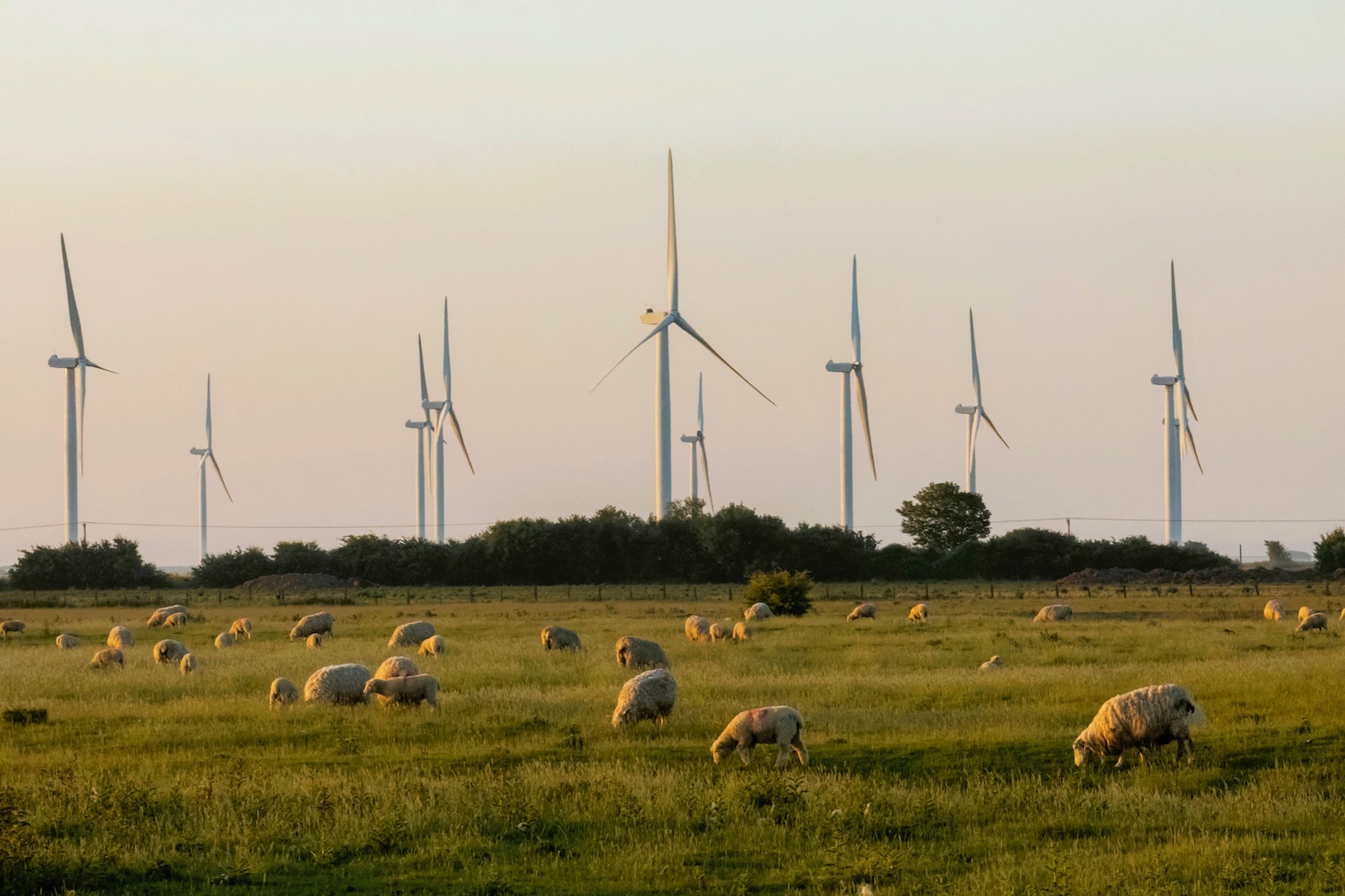
Why it matters: England's new land-use framework could unlock renewable energy growth and resolve land-use conflicts.
- The UK government's new framework states England has sufficient land to meet climate, nature, food, and housing goals, requiring only 1% for renewables by 2050.
- Environment Secretary Emma Reynolds emphasizes the framework will resolve 'false choices' between development and environmental protection, promoting integrated land use.
- Environmental groups, including Natural England's chair Tony Juniper, broadly welcome the framework as a 'vital step forward' towards more cohesive land management.
- The framework commits to a long-term assessment of climate change impacts at 2C and 4C warming, and will establish a 'land-use unit' to map national spatial priorities.
England's new 'land-use framework' asserts that only 1% of its land is needed for renewables to meet 2050 climate goals, aiming to end perceived conflicts between solar panels, farmland, and housing. The government, through Environment Secretary Emma Reynolds, claims there's ample land to achieve climate, nature, food production, and housing objectives simultaneously, a sentiment broadly welcomed by environmental groups like Natural England.