This “rotten egg” brain gas could be the key to fighting Alzheimer’s disease
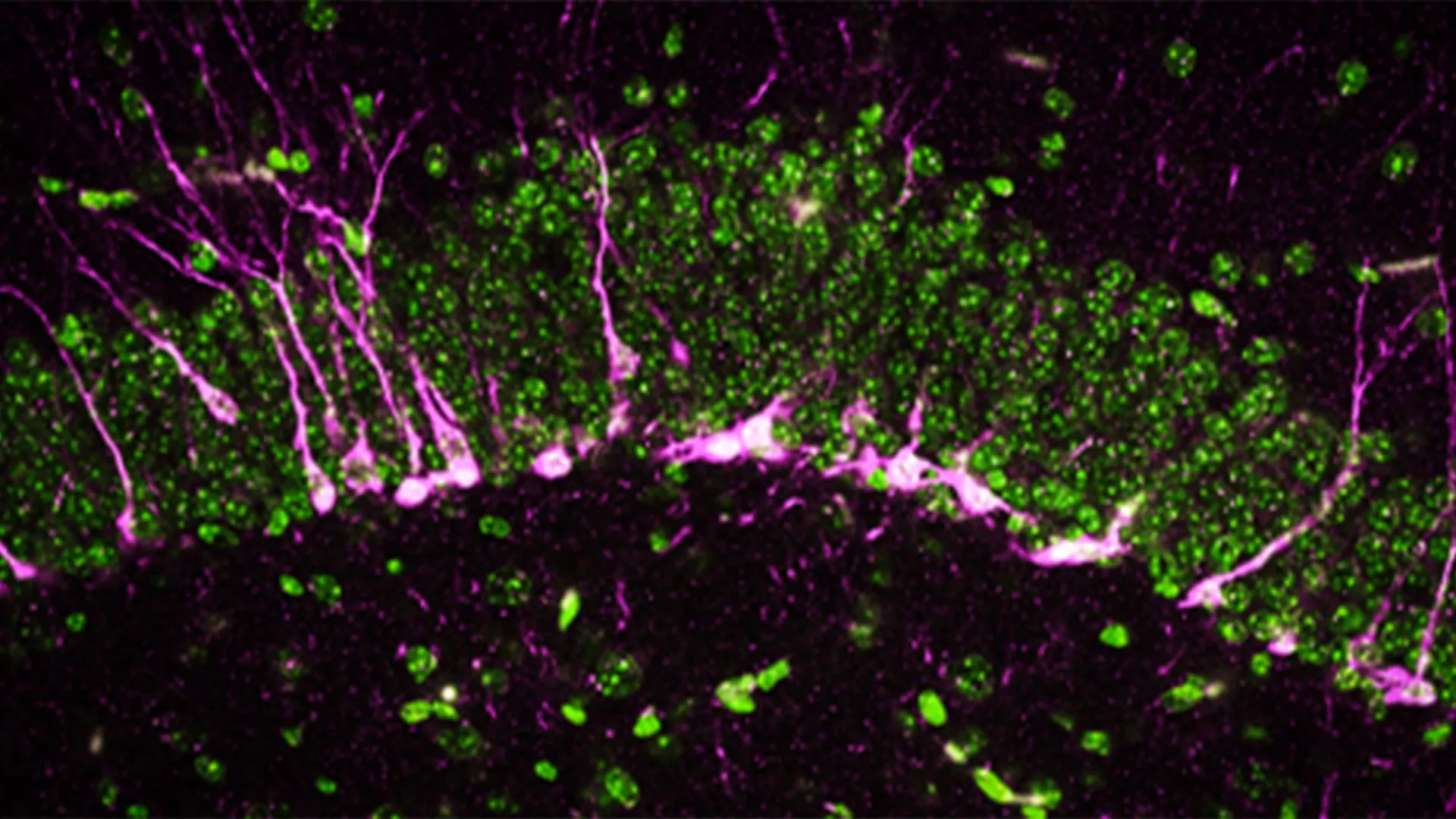
Why it matters: This research could lead to new treatments for Alzheimer's disease by targeting the CSE protein and hydrogen sulfide pathways.
- Johns Hopkins Medicine reports that the protein CSE, responsible for producing trace amounts of hydrogen sulfide gas, is essential for memory and brain health.
- Genetically engineered mice lacking the CSE protein developed memory loss, brain damage, weakened blood-brain barriers, and reduced neuron formation, mirroring hallmarks of Alzheimer's disease.
- Earlier research by Solomon Snyder's team in 2014 and 2021 found that CSE supported brain health in mice with Huntington's disease and was dysfunctional in Alzheimer's models, with small hydrogen sulfide injections offering protection.
Johns Hopkins Medicine researchers have identified a surprising link between a "rotten egg" smelling gas, hydrogen sulfide, and Alzheimer's disease, with a protein called CSE being crucial for its production and memory function. Experiments in mice show that the absence of CSE leads to memory loss and brain damage, suggesting that carefully regulated levels of this gas could protect brain cells and potentially offer a new therapeutic avenue for neurodegenerative diseases.