Hantavirus Hits Cruise Ship With No Vaccine Available

SkimNews Take
Despite effective protocol implementation, the self-contained nature of cruise ships, while aiding containment, simultaneously amplifies the potential for rapid transmission within the remaining population.
Get the Health newsletter
Daily health & science — research, biotech, public health, the studies worth knowing. Free.
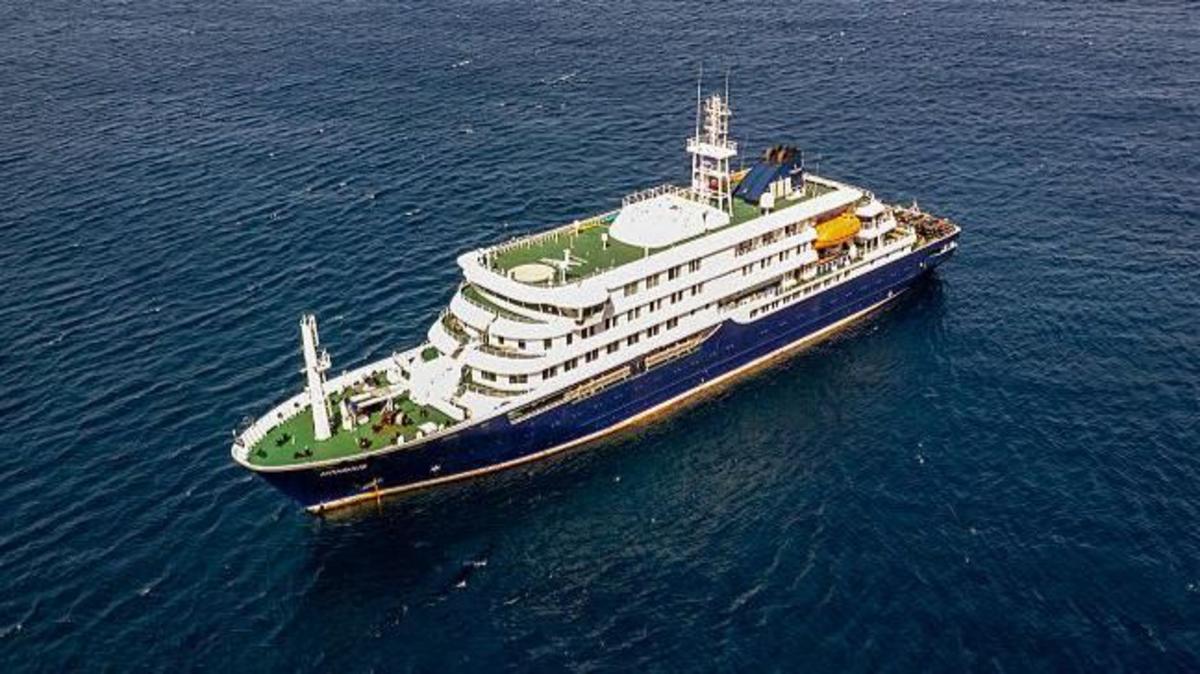
- A hantavirus outbreak struck a cruise ship carrying about 150 passengers of 23 nationalities, and the strain identified is the Andes variant—which can spread human-to-human and has an incubation period of one to eight weeks
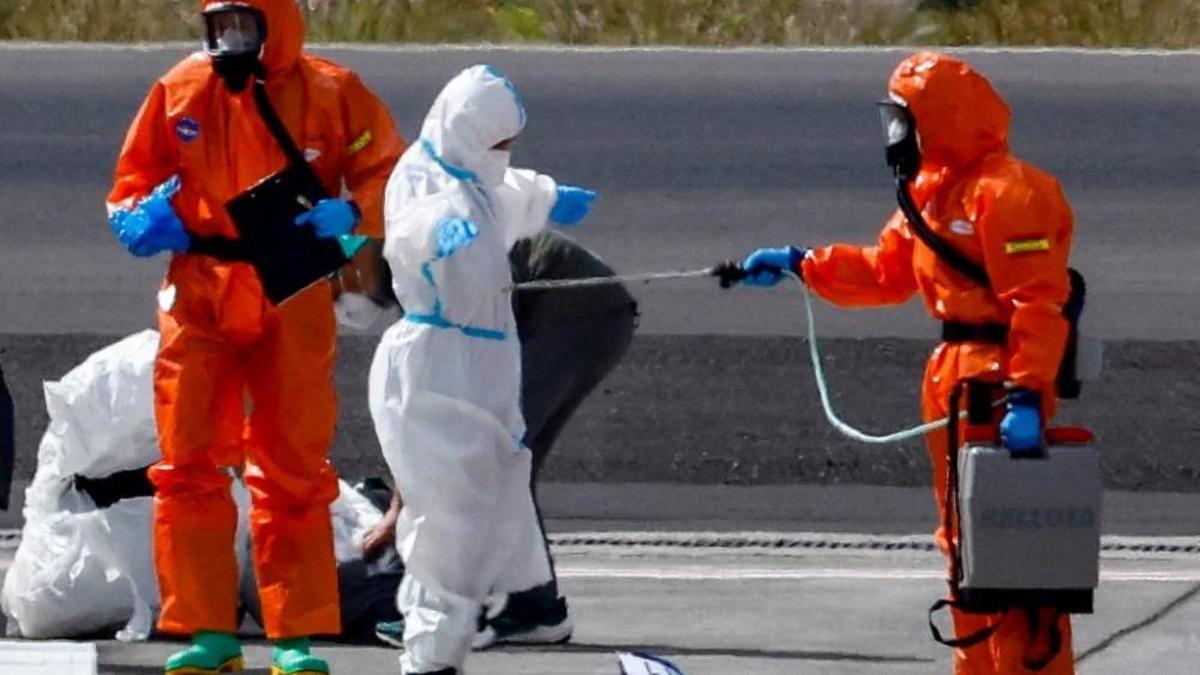
- The Andes strain has no approved vaccine, specific therapeutic, or rapid diagnostic test, forcing reliance on traditional public health measures: isolation, quarantine, and N95 masks
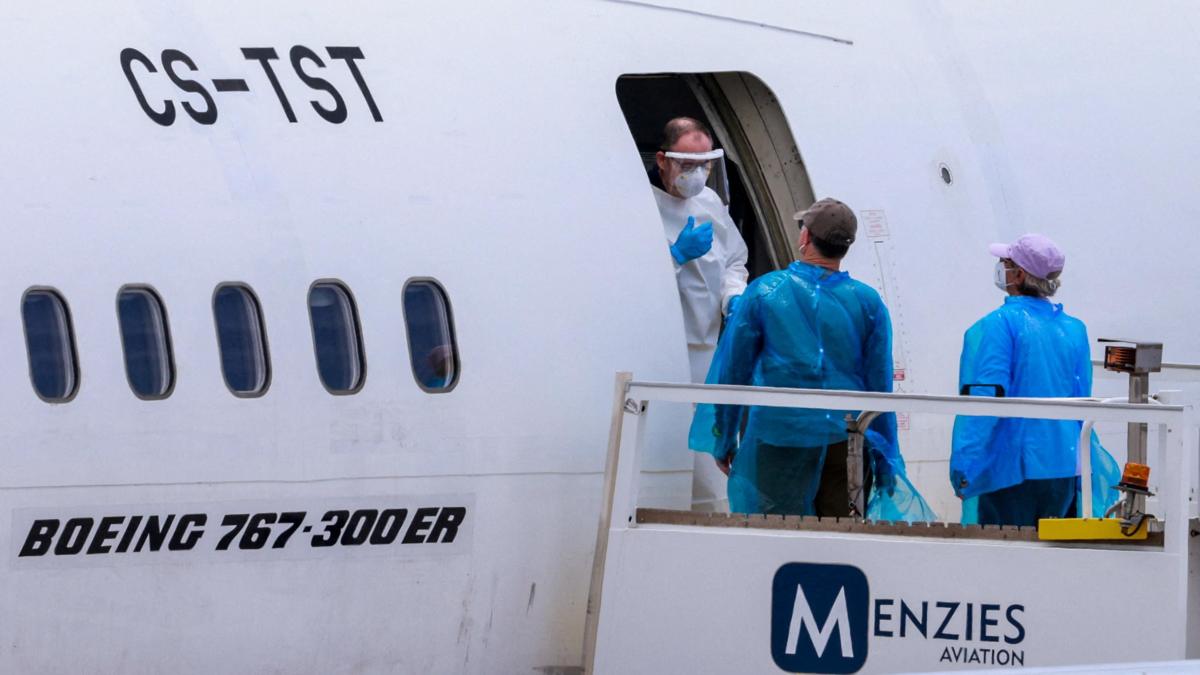
- Several passengers disembarked before the outbreak was detected and took commercial flights home, creating potential wider exposure across multiple countries before containment could begin
- The US Centers for Disease Control and Prevention (CDC) has traditionally led global outbreak investigation and response, but recently quit the World Health Organization and fired all of its cruise inspectors
- The World Health Organization has taken the lead on the response, coordinating 23 governments to manage returning nationals under a WHO-recommended 42-day quarantine
- The UK Health Security Agency, led by Prof Susan Hopkins, is housing returning Britons in self-contained flats at Arrowe Park hospital in Wirral with regular testing and medical assessments
- The article contextualizes the threat by noting previous hantavirus outbreaks have been contained—including a 2018 Andes strain outbreak in Argentina with 34 confirmed cases and 11 deaths—and that scientists are expediting vaccine studies and testing existing drugs
Why it matters: With no vaccine, treatment, or rapid test for the Andes strain, containment depends entirely on 42-day quarantine compliance across 23 governments—a complex task given some passengers already flew home commercially before the outbreak was detected. The US withdrawal from WHO leadership means a country that traditionally coordinated such responses is now absent, while the 1-to-8-week incubation period means secondary cases could surface up to two months after the cruise ended.
Ask SkimNews