EPA Cuts Threaten NJ Superfund Cleanups — SkimNews
Get the Energy newsletter
Daily energy & climate — solar, EVs, oil, the policy fights and tech bets shaping the transition. Free.
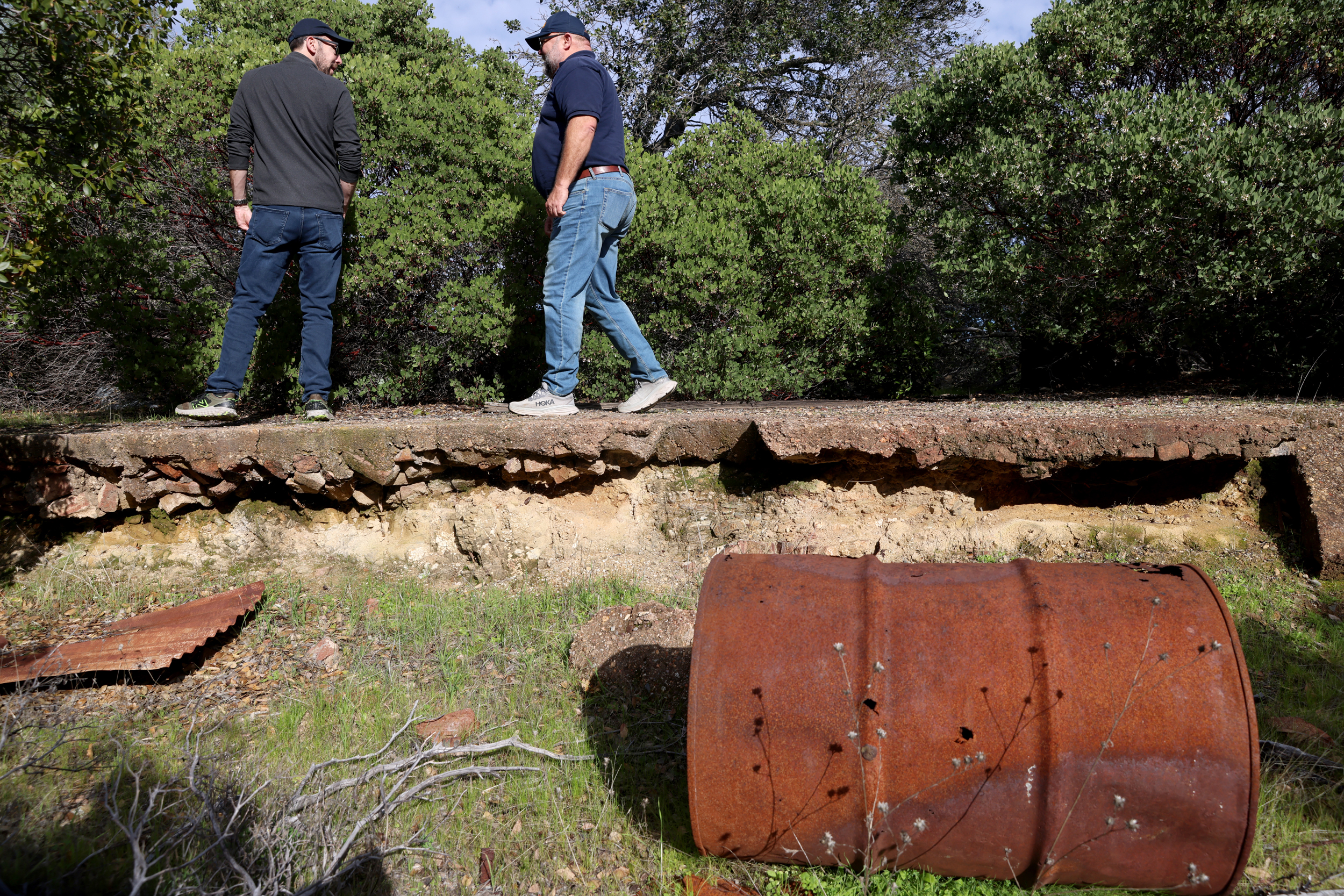
- New Jersey hosts nearly 9 percent of the nation’s Superfund sites—the highest total of any state—with contamination lingering for decades at locations like the Passaic River and Ringwood Mines.
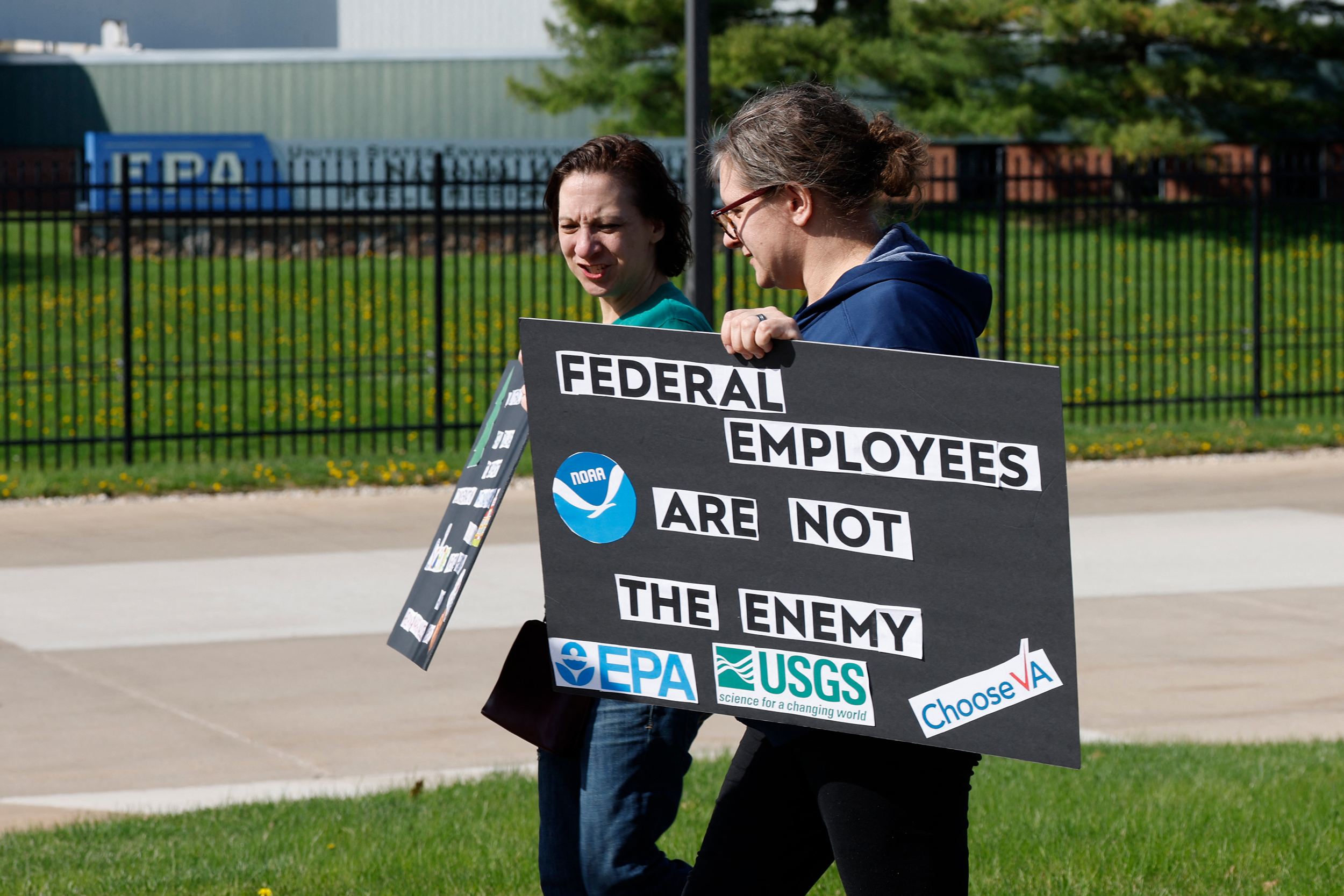
- EPA lost more than 4,000 employees in 2025, reducing its workforce to 12,849, the lowest level since the 1980s, with a 24 percent cut far exceeding federal government-wide losses.
- Congress allocated $282.75 million for the Superfund Program in fiscal 2026, a 47 percent drop from the prior year, while the Trump administration proposed halving overall EPA funding in 2027.
- Superfund tax receipts totaled $1.6 billion in 2025, 26 percent below projections, undermining expectations that polluter-paid taxes would stabilize program funding after their 2022–2023 reinstatement.
- U.S. Rep. Frank Pallone Jr. stated Trump’s EPA has cut New Jersey’s regional staff by one-third, calling current staffing levels a barrier to accelerating cleanups and warning delays increase long-term costs.
- Biden-era Infrastructure Law funding provided $3.5 billion for Superfund cleanups, with $3.296 billion already spent or allocated by October 2024, leaving little reserve for new or stalled projects.
Why it matters: With EPA staffing at 1980s levels and Superfund appropriations slashed by 47 percent, cleanups in New Jersey—home to the most contaminated sites—face real delays despite a $3.5 billion federal infusion that is now nearly exhausted, raising cleanup costs and prolonging community exposure to toxins.
Ask SkimNews