NBPA urges fix, says 2nd apron hurts players, fans... — SkimNews
Get the Sports newsletter
Daily sports — scores, transfers, the storylines from the leagues you actually follow. Free.
- NBPA executive director David Kelly said the union is 'not fans of the second apron' and called for it to be 'softened' or removed, arguing the system was instituted in 2023 for 'cost control purposes' rather than the parity rationale offered by commissioner Adam Silver
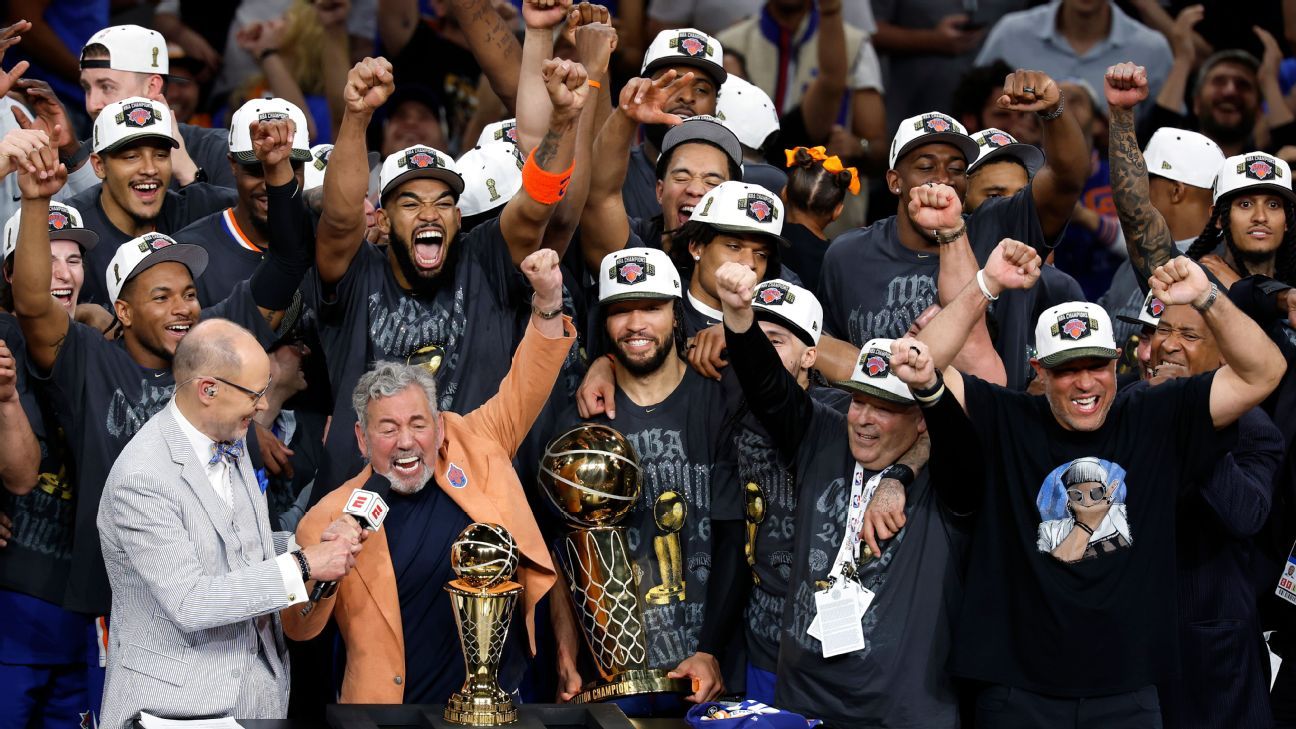
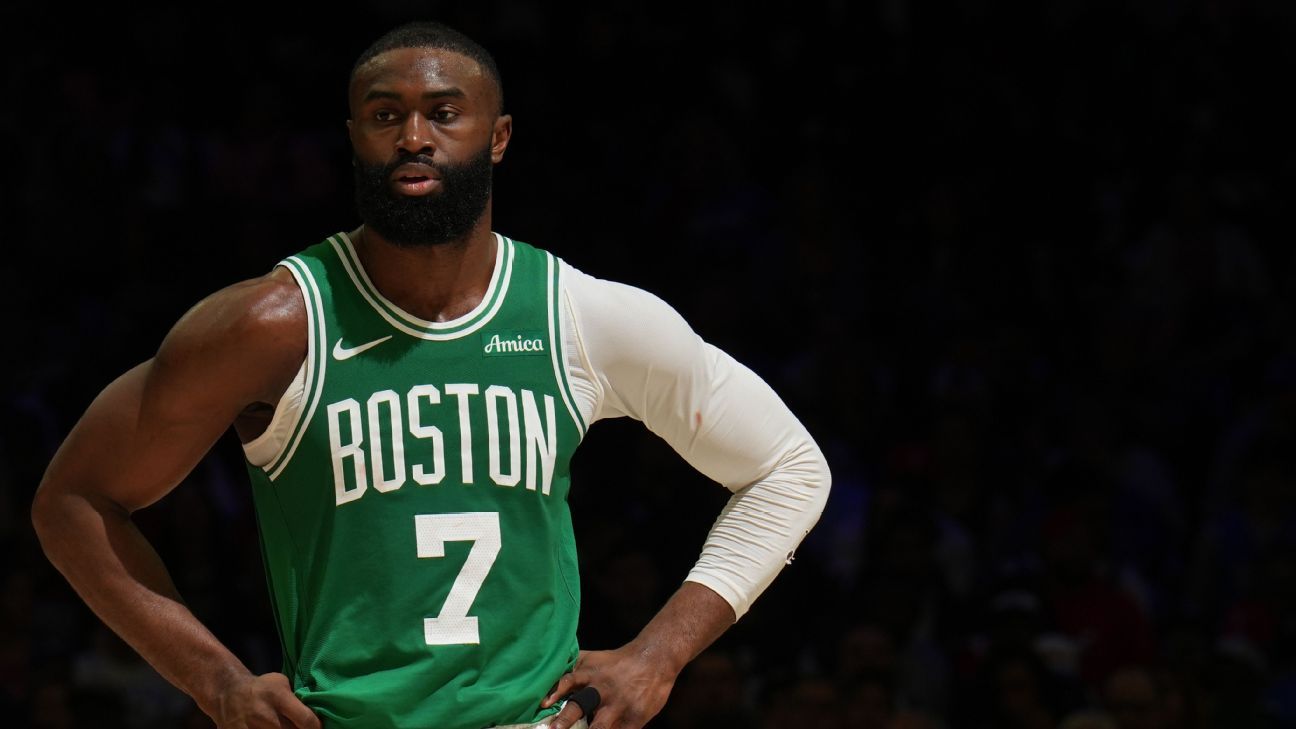
- The Boston Celtics cited the second apron as a factor in their decision to trade 2024 Finals MVP Jaylen Brown to the Philadelphia 76ers, while New York Knicks owner James Dolan said his team would avoid second-apron penalties despite winning the 2026 championship, leading backup center Mitchell Robinson to depart in free agency
- San Antonio Spurs star Victor Wembanyama agreed to a five-year, $252 million rookie extension Friday when he was eligible for $302.8 million, with Kelly saying the system 'should not put a player in the position to carry the burden of keeping a team together'
- Kelly disputed the parity narrative, noting that five years of competitive balance preceded the apron's 2023 installation, and said the current era of eight different champions in eight years started before the new financial restrictions
- NBPA president Fred VanVleet said it is 'almost a consensus' among teams, GMs, front offices, owners and agents that the apron 'needs to be addressed,' signaling the union is not alone in its objections
- The financial thresholds at issue: a $165 million salary cap, $200.4 million luxury tax line, $209 million first apron, and $221.7 million second apron, with only the Cleveland Cavaliers exceeding the second apron during the 2025-26 season
- Kelly said it would be 'fantastic' to reach tweaks during the current CBA, otherwise the issue won't surface until after the 2028-29 season when owners or players could opt out of the agreement
Why it matters: If the apron isn't softened, supermax-eligible stars like Wembanyama will continue leaving roughly $50 million on the table — Wembanyama's $252M deal versus his $302.8M ceiling is a concrete, current example — and championship cores like the 2024 champion Celtics will be broken up by tax-driven trades, reducing both player earnings and fan attachment to title-winning rosters.
Ask SkimNews