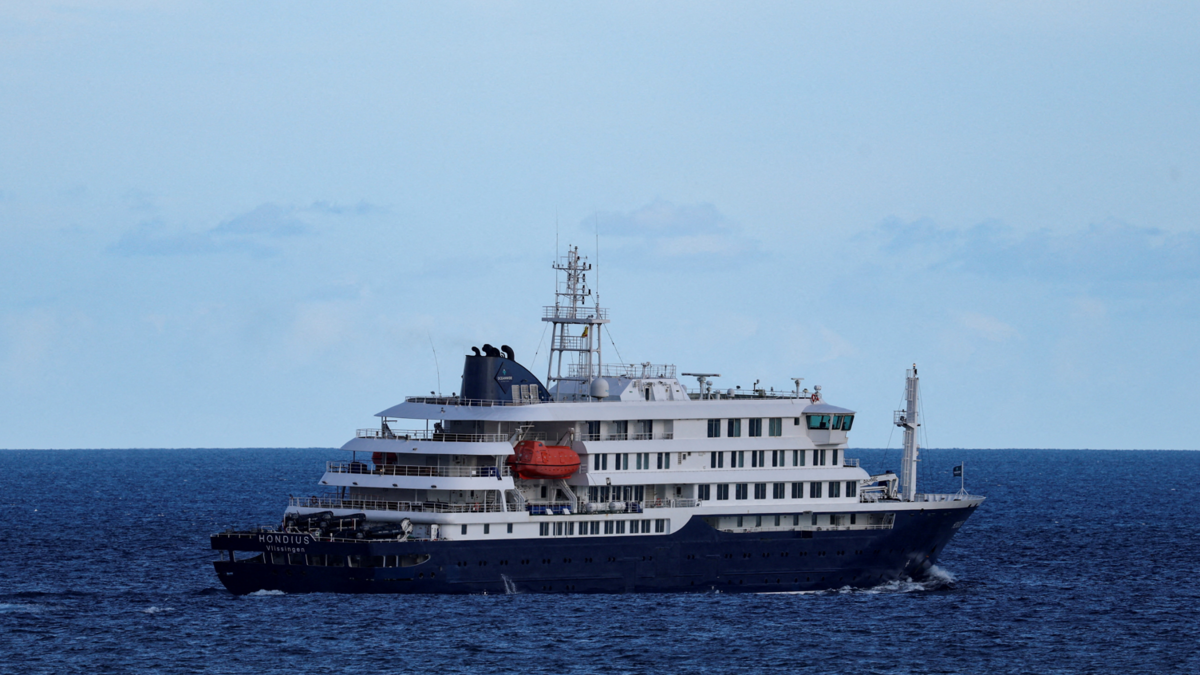
WHO Declares Deadly MV Hondius Hantavirus Outbreak Over
Get the Health newsletter
Daily health & science — research, biotech, public health, the studies worth knowing. Free.
- WHO Director-General Dr. Tedros Adhanom Ghebreyesus declared the MV Hondius hantavirus outbreak over after the last exposed contact completed quarantine, tested negative, and returned home, with no new cases reported since 25 May.
- The outbreak infected 13 people and killed three, involving the rare Andes virus hantavirus strain, with the cruise having departed Argentina on 1 April and passengers disembarking in Tenerife, Spain, in May.
- Health experts believe the virus may have spread through human-to-human close contact in this case — an unusual transmission mode for a pathogen that typically spreads via rodent urine, droppings, or saliva.
- The WHO identified and monitored more than 650 contacts across 33 countries and territories, reflecting the transnational scope of the exposure chain.
- Dr. Diana Rojas Alvarez, WHO medical officer, warned that Andes virus and other hantaviruses remain a public health risk in South America and other endemic areas, urging continued surveillance.
- Symptoms can appear two to four weeks after exposure — sometimes more than a month later — which is why the recommended isolation period for passengers was unusually long.
Why it matters: The suspected human-to-human transmission of a rare Andes hantavirus strain on a single cruise ship forced contact tracers across 33 countries to follow 650-plus exposed individuals — a transnational public health drill that underscores how quickly a rodent-borne pathogen can become an international response when it potentially jumps between people.