AHR Protein Blocks Nerve Regeneration: Mount Sinai Study — SkimNews
Get the Health newsletter
Daily health & science — research, biotech, public health, the studies worth knowing. Free.
- Researchers at the Icahn School of Medicine at Mount Sinai identified the aryl hydrocarbon receptor (AHR) as a brake on axon regeneration, publishing the work in Nature (2026; 653:1119, DOI: 10.1038/s41586-026-10295-z).
- Dr. Hongyan Zou, senior author and Professor of Neurosurgery and Neuroscience, said AHR 'shifts neurons toward managing stress rather than rebuilding damaged connections' after injury.
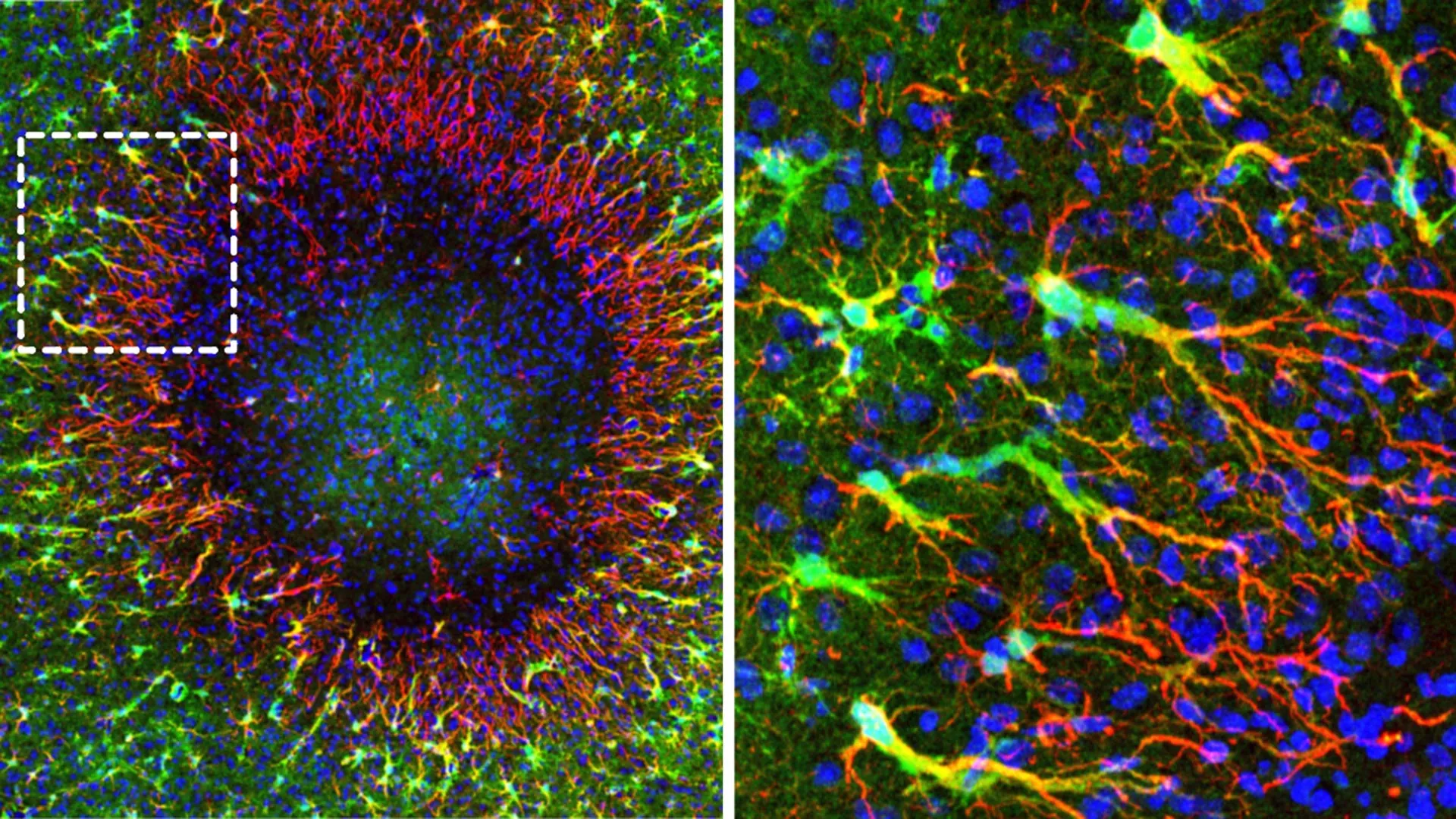
- Blocking AHR — either by removing the gene from neurons or using drugs — allowed damaged axons to regenerate more successfully and improved recovery of movement and sensation in mouse models of peripheral nerve damage and spinal cord injury.
- Active AHR signaling supports proteostasis (protein quality control) in injured neurons but limits production of the new proteins required to rebuild axons, explaining the tradeoff between survival and repair.
- Without AHR, neurons ramp up growth-related protein production and turn on regeneration pathways, a response the study shows depends on the factor HIF-1α.
- AHR was first characterized as a sensor for environmental toxins and pollutants; the new findings extend its role to linking environmental sensing with decisions about whether damaged axons can regenerate.
- Several AHR-inhibiting drugs are already in clinical trials for other conditions, a fact the researchers flag as a potential shortcut toward human treatments for peripheral nerve and spinal cord injuries.
Why it matters: Spinal cord and peripheral nerve injuries cause lasting disability because adult mammalian neurons cannot regenerate their axons, and decades of regenerative-medicine research have yet to change that. The Mount Sinai team identifies a single molecular switch — AHR — that governs the survival-versus-rebuild tradeoff in injured neurons, and several AHR-blocking drugs already exist in human clinical pipelines for other diseases, which could compress the typical drug-development timeline for a neural-injury therapy.
Ask SkimNews