Trump's Ukraine formula trades land for hollow guarantees — SkimNews

Get the Geopolitics newsletter
Daily geopolitics — wars, elections, sanctions, the diplomatic moves that move markets. Free.
- U.S.-led Ukraine peace talks are on hold, with the Trump administration's focus on Iran cited as the proximate reason but the underlying cause being the negotiations' structural flaw: centering them on a land-for-security-guarantees bargain that Kyiv would trade roughly 20% of the Donbas it still controls for Western commitments.
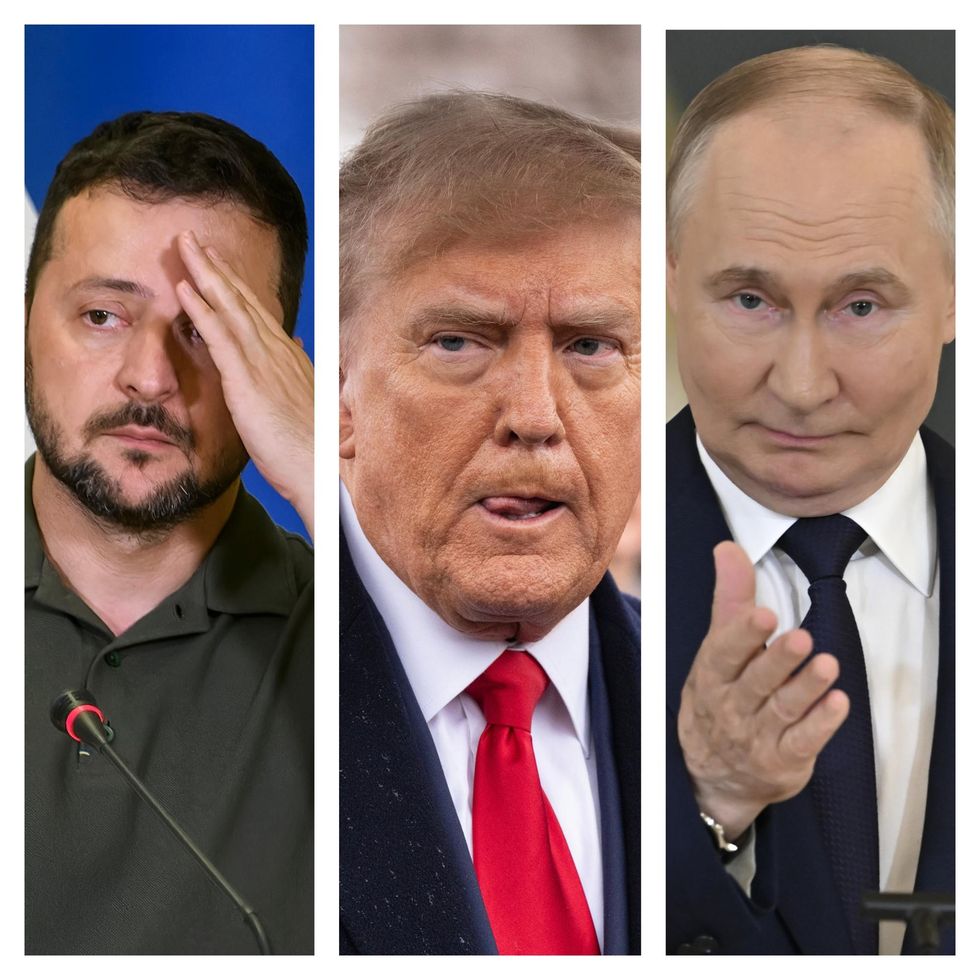
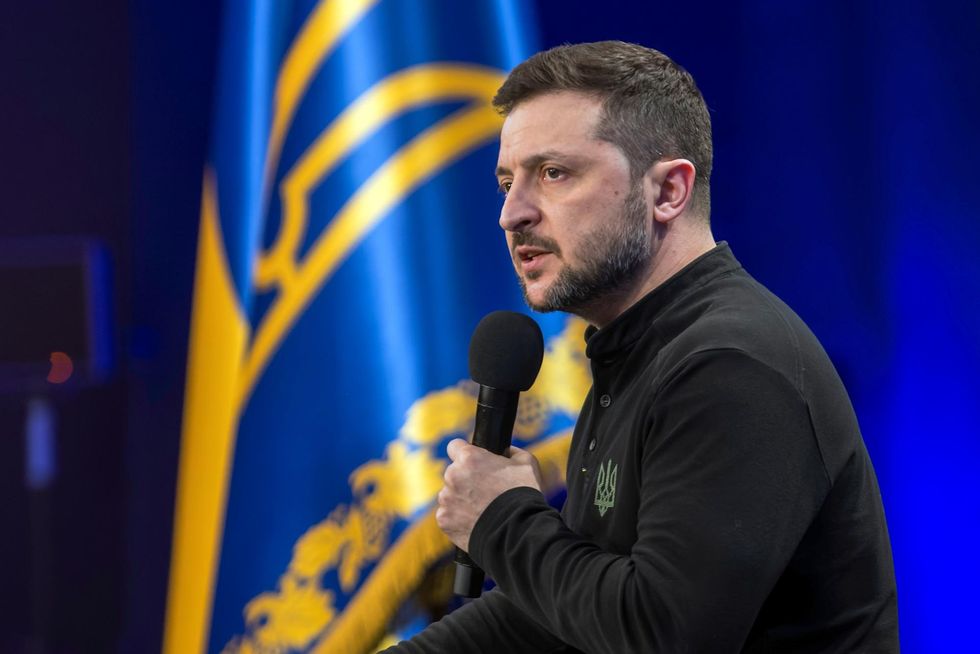
- Vladimir Putin has demanded the rest of the Donbas as a precondition for a cease-fire, while Volodymyr Zelensky said in a March interview that "the Americans are prepared to finalize [security] guarantees at a high level once Ukraine is ready to withdraw from Donbas," framing the territorial trade as the negotiating crux.
- The land-for-guarantees formula would not actually reduce Russian insecurity, because the security guarantees under discussion could deploy a "coalition of the willing" led by France and the United Kingdom onto Ukrainian soil after a cease-fire—effectively stationing NATO-style forces in Ukraine, the outcome Moscow says it is fighting to prevent.
- Ceding the remaining Donbas strip would objectively leave Ukraine more exposed, because Kyiv has spent years heavily fortifying the urban areas in what military analysts call the "fortress belt," a position that protects the largely flat steppe terrain to its west and is essential to any future defense of the country.
- U.S. and European security guarantees carry little credibility for Ukraine: Western powers are not fighting Russia now, and Ukrainian officials have no reason to believe they would enter a future war if Kyiv surrenders the fortified Donbas in exchange for promises alone.
- Trilateral negotiations have been fragmented, with U.S. and Russian representatives meeting at least a dozen times, U.S.–Ukraine and Europe–Ukraine tracks running in parallel, and only a few sessions involving Russia, Ukraine, and the United States together—none with Europeans present—raising the risk of misunderstandings and incompatible terms.
- The author proposes a comprehensive alternative: Ukraine would formally pledge permanent nonaligned status and self-determined force caps that limit offensive but not defensive capabilities, Russia would limit deployments of forces, missiles, and heavy weapons near Ukraine, and the U.S. and some NATO members would offer a legally binding commitment—possibly via a UN Security Council resolution—to veto further NATO enlargement as long as Moscow adheres to the deal.
Why it matters: The current formula could backfire on both sides: Ukraine would surrender its fortified Donbas 'belt' for guarantees from powers not fighting now, while the proposed 'coalition of the willing' would deploy NATO-style forces to Ukraine—precisely the outcome Russia says it is invading to prevent. A land swap alone addresses neither side's real security concerns, making a deal that satisfies the public politics but not the underlying threat perceptions the most likely outcome.
Ask SkimNews