Russia Loses Net Territory in Ukraine First Time Since 2024

SkimNews Take
The shift in battlefield dynamics suggests a potential re-evaluation of strategic objectives for both sides as the conflict enters a new phase of stalemate.
Get the Geopolitics newsletter
Daily geopolitics — wars, elections, sanctions, the diplomatic moves that move markets. Free.
- Ukraine reclaimed more territory than Russia seized in April 2026 — Moscow's first net territorial loss since Ukraine's August 2024 Kursk incursion, according to Institute for the Study of War (ISW) analysis
- Russia still controls almost 20% of Ukraine's land, and the amount Ukraine recently liberated remains 'very small,' per the article
- Ukraine's mid-range drone strikes — targeting Russian logistics, depots, command posts, and air defense systems — are driving the shift, with Zelensky calling the campaign Kyiv's top priority
- Russian casualty rates stand at roughly 30,000 to 35,000 per month per Western officials citing intelligence; Ukrainian Defense Minister Mykhailo Fedorov claimed 35,000 Russians were 'eliminated' in both March and April
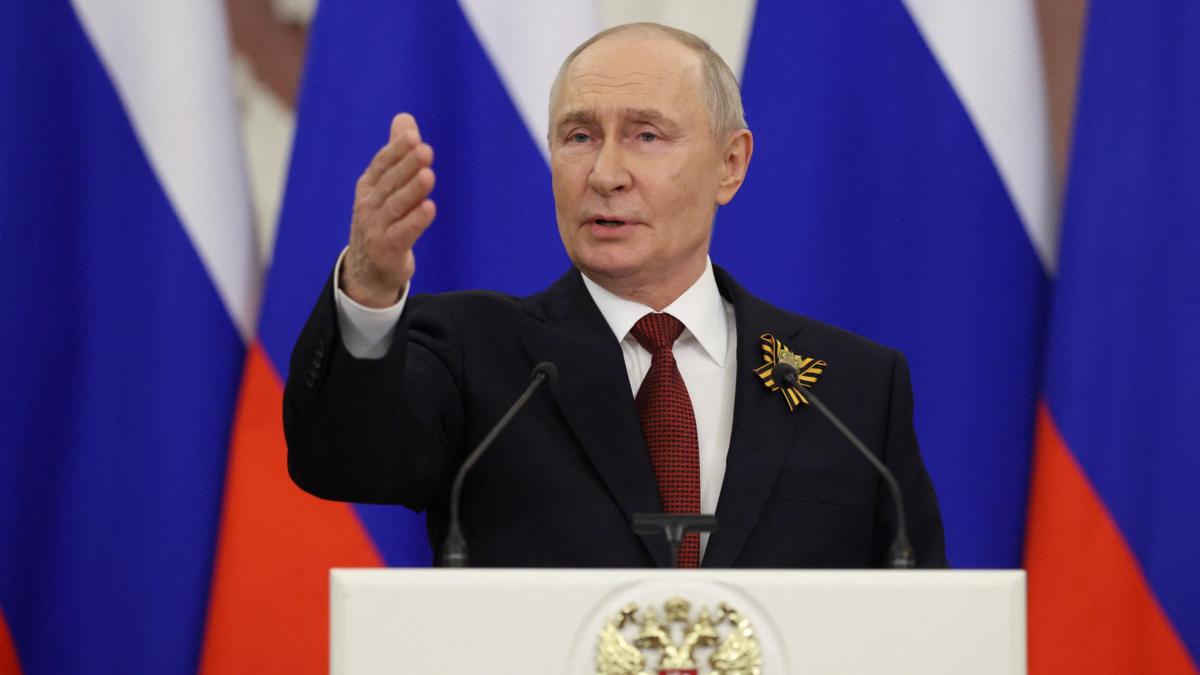
- Putin's narrative that Russian victory is inevitable is being undermined, with ISW's Christina Harward telling CNN the shift is 'really poking holes' in his cognitive warfare strategy aimed at persuading the West to stop supporting Ukraine
- Russian troops are now attempting to infiltrate no-man's land and raise flags without holding positions, per analyst assessments, as the front line becomes saturated with drones that prevent either side from advancing
- Donald Trump had previously declared Russia was winning the war and told Zelensky he did not 'have the cards' — a framing now contradicted by the ISW data
Why it matters: Russia's unbroken streak of net territorial gains in Ukraine — running since Ukraine's August 2024 Kursk incursion — has ended, directly undermining Putin's core negotiating premise that continued Western support for Kyiv is futile. The shift, though modest in absolute terms, contradicts Trump's public framing that Russia was winning — the same framing under which Zelensky was told he 'did not have the cards' to prevail.