USDA Tightens REAP Solar Funding Amid MAGA Praise — SkimNews
Get the Energy newsletter
Daily energy & climate — solar, EVs, oil, the policy fights and tech bets shaping the transition. Free.
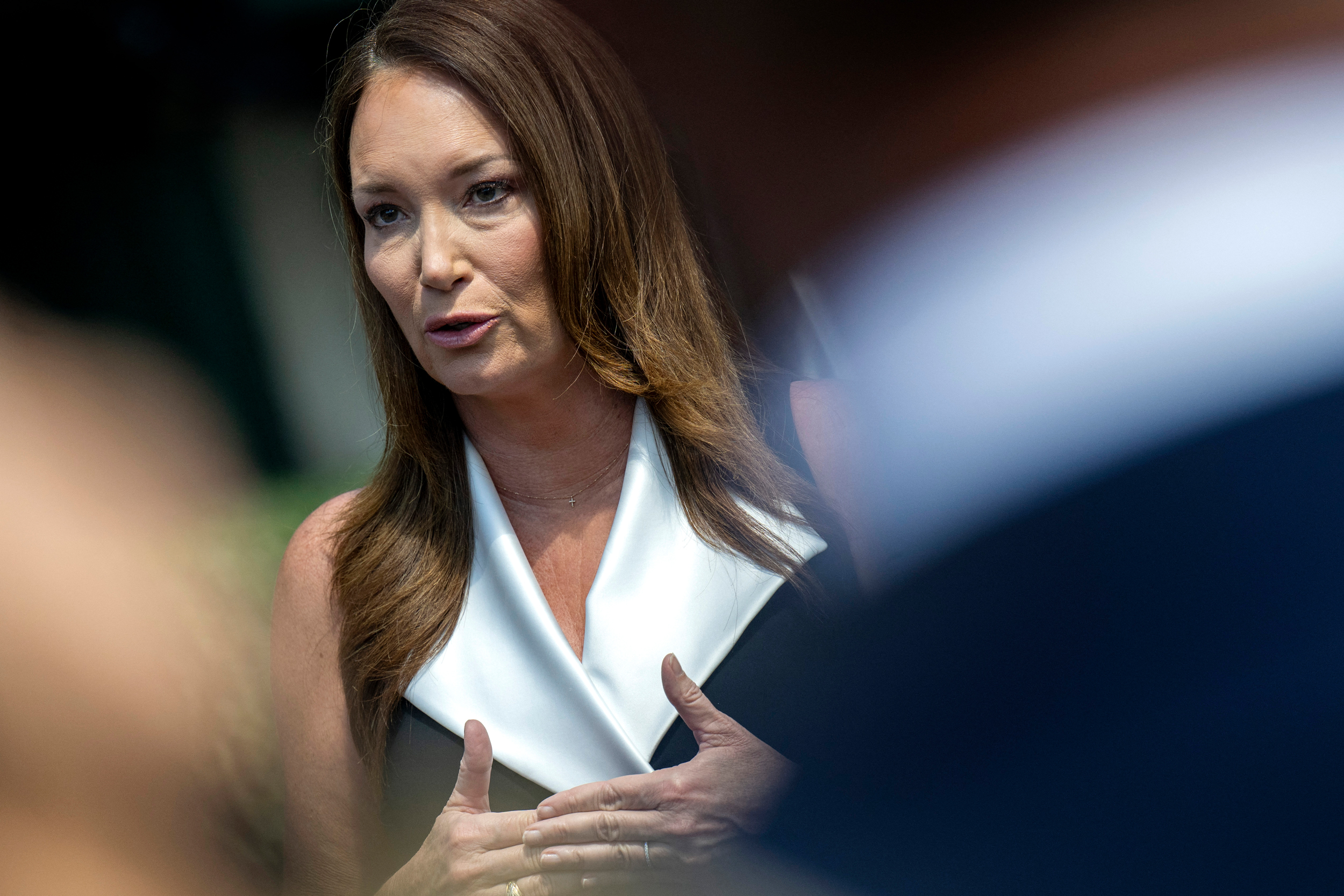
- USDA placed new documentation burdens on farmers and barred off‑site electricity sales for wind and solar projects in its REAP program, as announced by Secretary Brooke Rollins at a press conference in Tennessee.
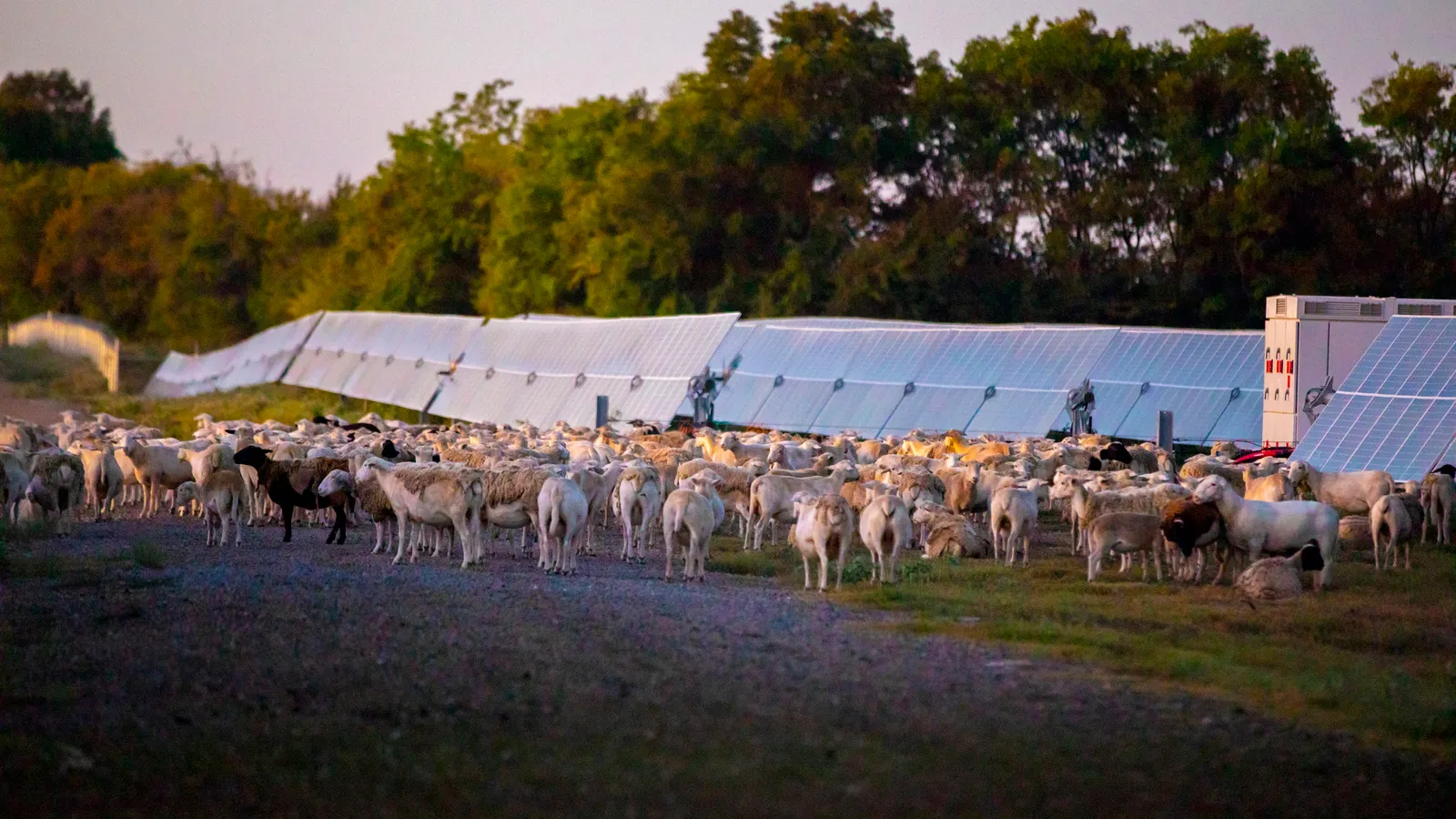
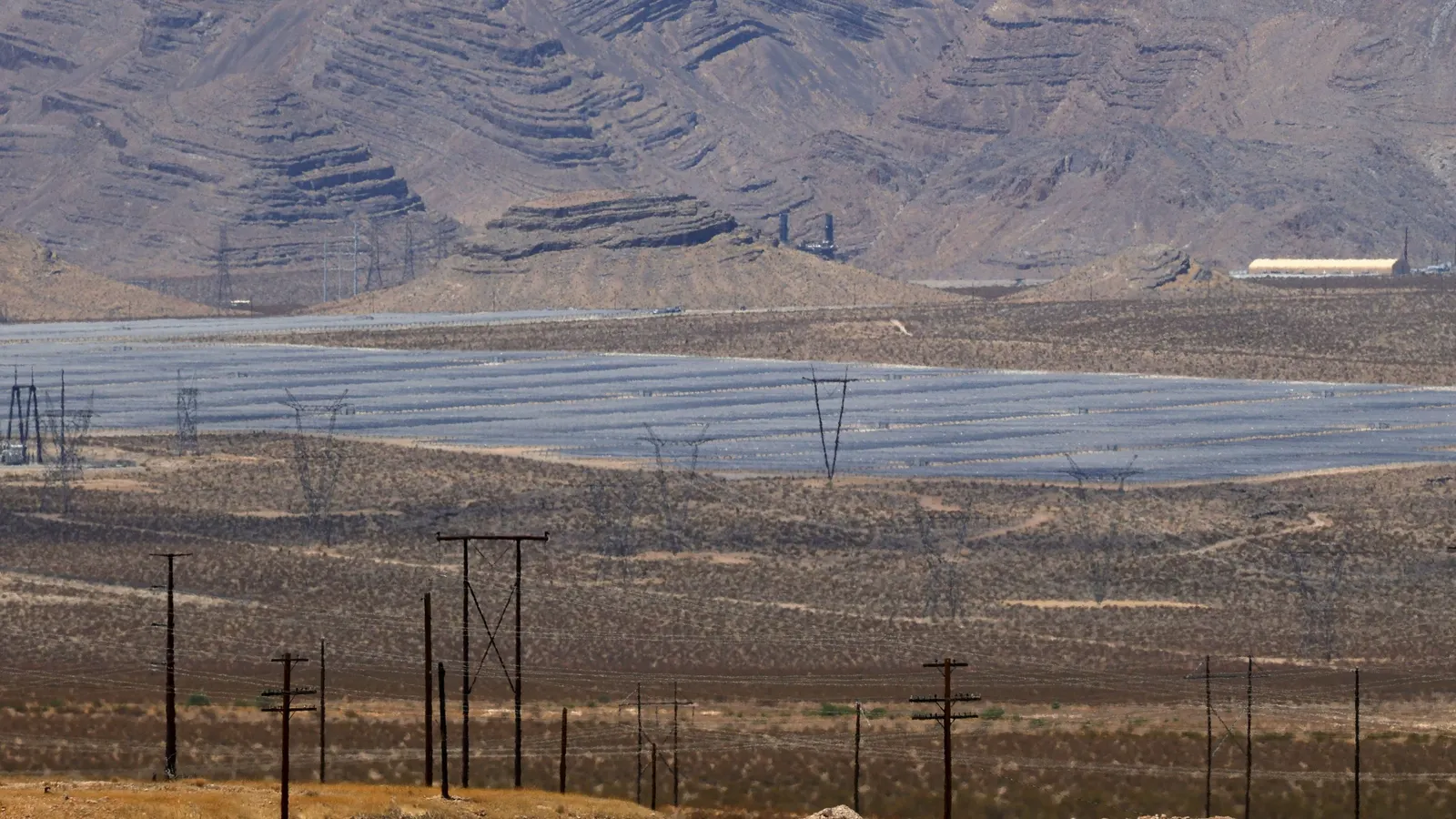
- USDA released a press statement claiming Tennessee lost over 1.2 million acres of farmland in the past 30 years, linking the loss to solar development, despite university researchers showing the state's solar capacity was minimal during that period.
- USDA's REAP program, originally created in 2002 and expanded under Bush, had over $1 billion in frozen disbursements after President Trump halted funding in February, a judge later ordered to be released in April.
- USDA's REAP program historically provided grants and loan guarantees for solar‑powered grain dryers and other renewable projects, continuing through the Trump and Biden administrations before the recent restrictions.
- USDA's new restrictions apply only to wind and solar, while some small‑scale projects remain eligible, but the added paperwork and sales bans effectively limit farmers’ ability to monetize renewable energy on their land.
Why it matters: Farmers lose access to federal financing and revenue streams for solar projects, while the USDA’s disputed farmland-loss narrative fuels political pressure that underscores the gap between policy claims and actual farmland trends, prompting debate over renewable-energy investments in rural America.
Ask SkimNews