Iran Missiles Target U.S. Forces in Middle East; All Intercepted

Get the Geopolitics newsletter
Daily geopolitics — wars, elections, sanctions, the diplomatic moves that move markets. Free.
- Iran launched multiple ballistic missiles at U.S. forces in the Middle East on Tuesday, all of which were intercepted by U.S. Central Command, shattering days of calm that followed weeks of escalation.
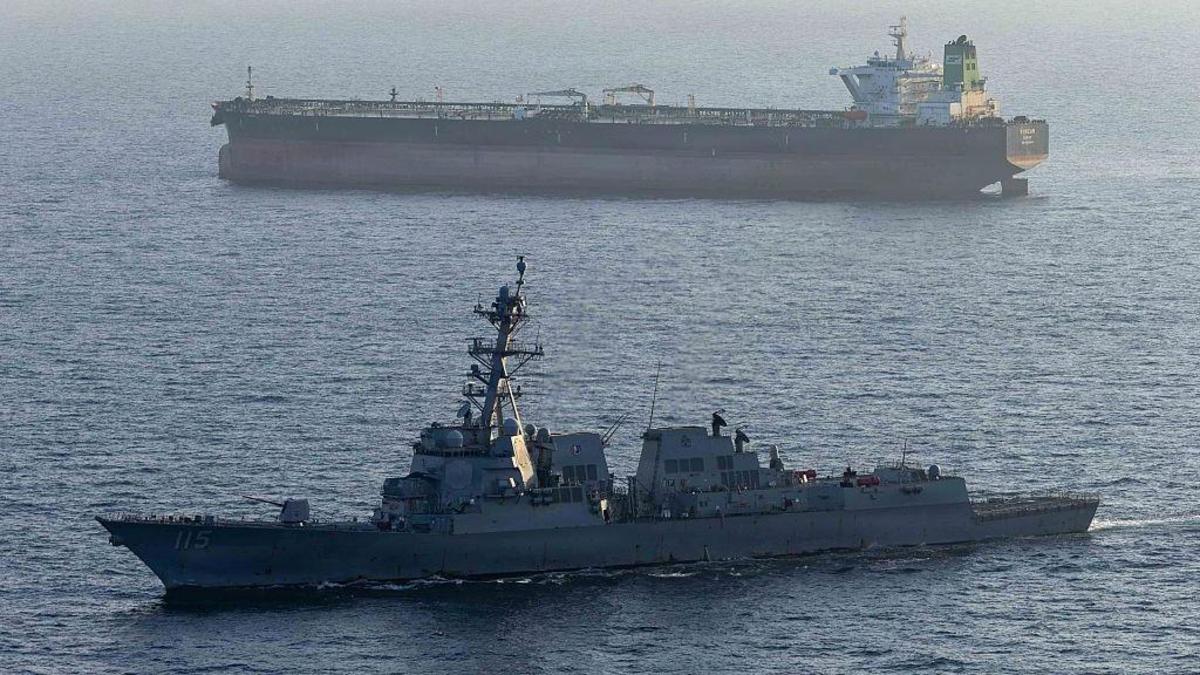
- The renewed fighting threatens the Strait of Hormuz, the Persian Gulf chokepoint through which 20% of the world's oil flows; since a June ceasefire deal, Iran has demanded ships travel near its coastline and may charge transit fees, pushing traffic onto a southern route along Oman under U.S. overwatch.
- Saudi Arabia said it intercepted drones from Iran-backed Iraqi militias targeting eastern petroleum facilities for a second straight day, while Iranian-allied Houthi rebels claimed to have forced the Saudi oil tanker NCC Ghazal to turn back in the Red Sea.
- The Houthis announced a blockade of Saudi shipping last week, putting the Bab el-Mandeb strait — the Red Sea gateway — at risk; the U.K. Maritime Trade Operations Center said a tanker reported hearing explosions in the southern Red Sea, with crew and vessel safe.
- The strikes came as Israeli PM Benjamin Netanyahu met Trump at the White House — their first sit-down since the U.S. and Israel launched the war against Iran on Feb. 28 — in a closed-door session lasting nearly 90 minutes that the White House described as "positive and productive."
- Trump is under pressure to end the unpopular war ahead of November midterms, with the source noting it has "wreaked economic havoc and driven prices higher"; Netanyahu separately faces re-election pressure amid friction with the U.S. president.
Why it matters: The Iranian missile strike landed as mediators were trying to revive ceasefire talks and during Netanyahu's first White House visit since the Feb. 28 war began, underscoring how quickly the pause collapsed and how the Strait of Hormuz — 20% of global oil — is back at the center of the fight. With midterms approaching, Trump's political room to sustain the war is narrowing even as Saudi petroleum infrastructure faces a second day of militia drone attacks and the Houthis' new shipping blockade imperils a second key waterway.