What this desert city can teach the world about tackling heat deaths — SkimNews
Get the Energy newsletter
Daily energy & climate — solar, EVs, oil, the policy fights and tech bets shaping the transition. Free.
- Maricopa County reduced heat-related deaths from 645 in 2023 to 405 in 2025, with experts attributing part of the decline to expanded cooling access for low-income and homeless residents
- Phoenix became the first city worldwide to hire a dedicated heat officer in 2021 — a role experts say other cities should replicate so someone is formally responsible for heat response
- Maricopa County operates cooling centres open up to 24 hours in some locations and offers free air conditioning repairs or replacements for eligible residents
- As of 11 July, Maricopa County had recorded 23 heat-related deaths in 2025 with another 282 under investigation — a pace that could outstrip last year if those hold
- Yale researcher Jennifer Marlon warned that nighttime temperatures are no longer cooling off, making current heat exposure deadlier than a decade ago because bodies cannot recover overnight
- University of Arizona's Ladd Keith said jurisdictions must plan for the next five to ten years of heat, not historic norms, because 'the records are going to be broken year after year across the world'
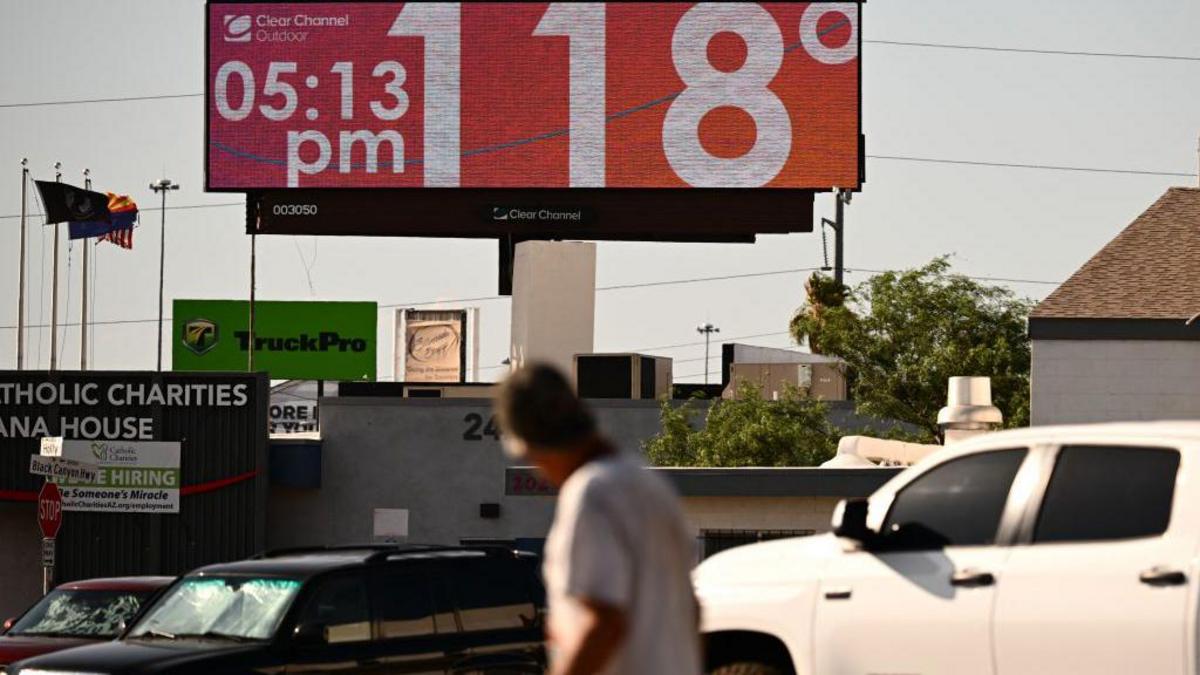
Why it matters: Maricopa County's drop from 645 to 405 heat deaths shows that systematic cooling access — centres open up to 24 hours and free AC repairs for vulnerable residents — measurably reduces mortality at scale. But with 282 deaths already under investigation this year and nighttime temperatures failing to cool, even Phoenix's downward trend is not guaranteed without continued investment.
Ask SkimNews