Typhoon Bavi hits China after battering Taiwan, Japan — SkimNews
Get the Energy newsletter
Daily energy & climate — solar, EVs, oil, the policy fights and tech bets shaping the transition. Free.
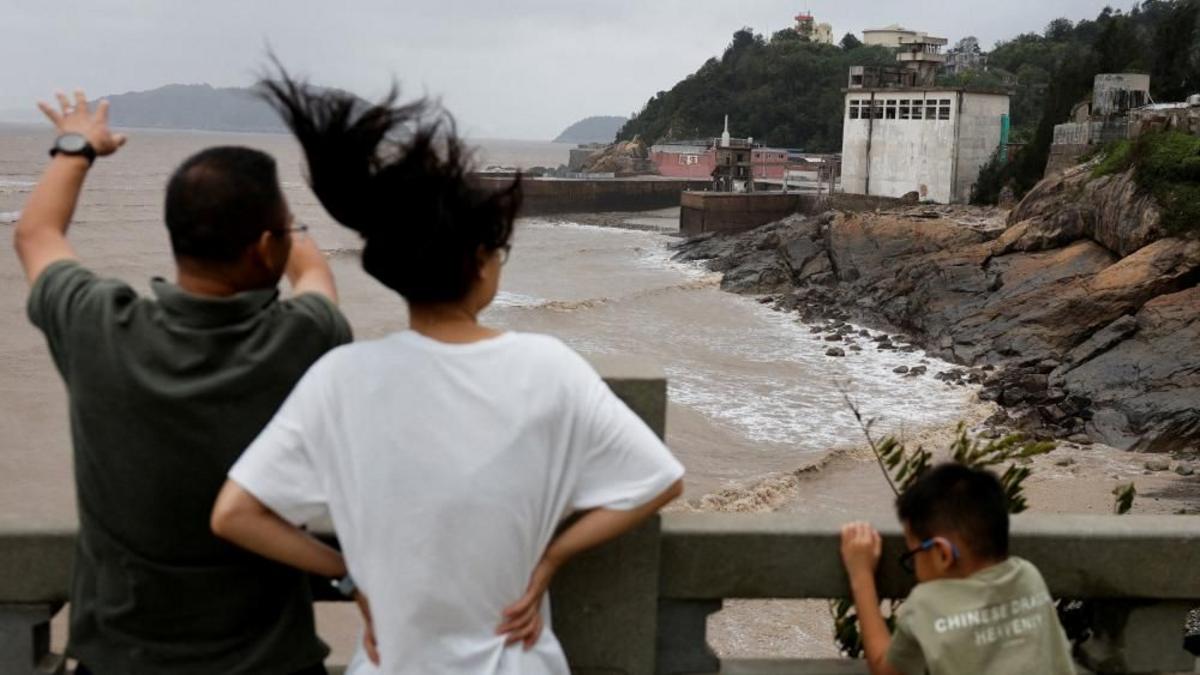
- Typhoon Bavi made landfall in China's eastern Zhejiang province late Saturday, with over 1.7 million evacuated as the storm moves northwestward and gradually weakens.
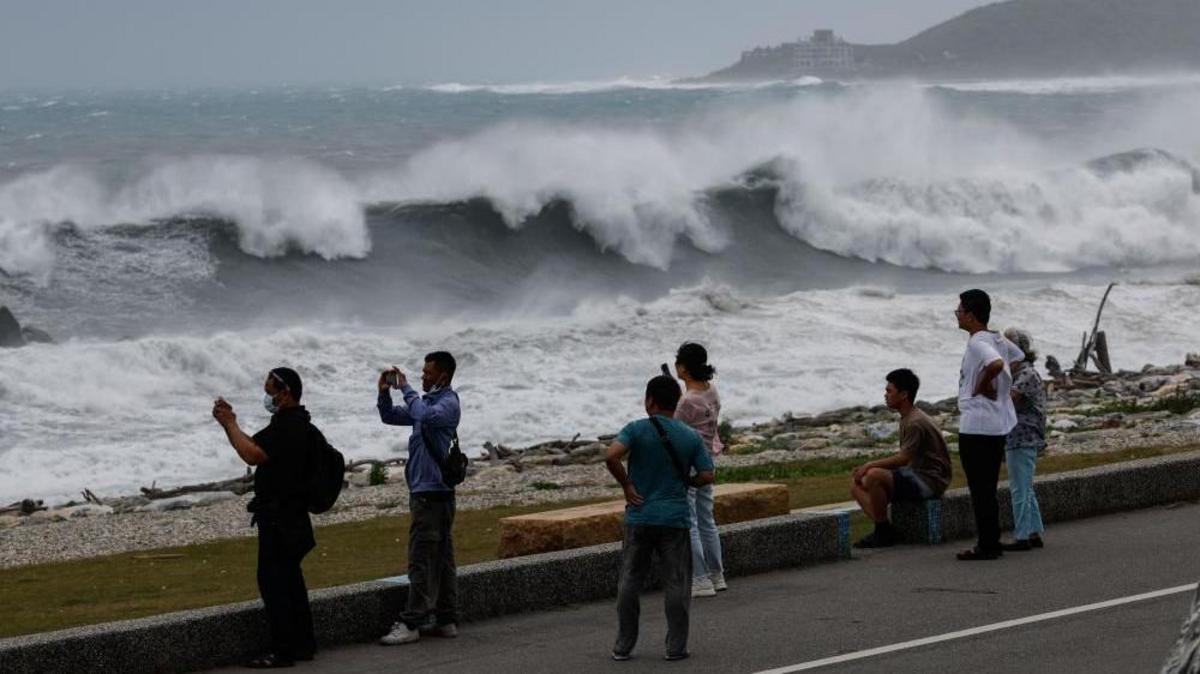
- Taiwan evacuated 10,000+ people at landslide risk, left 150,000+ households without power, and cancelled 1,100+ flights as winds exceeding 100 kph and over a meter of rainfall battered Taipei.
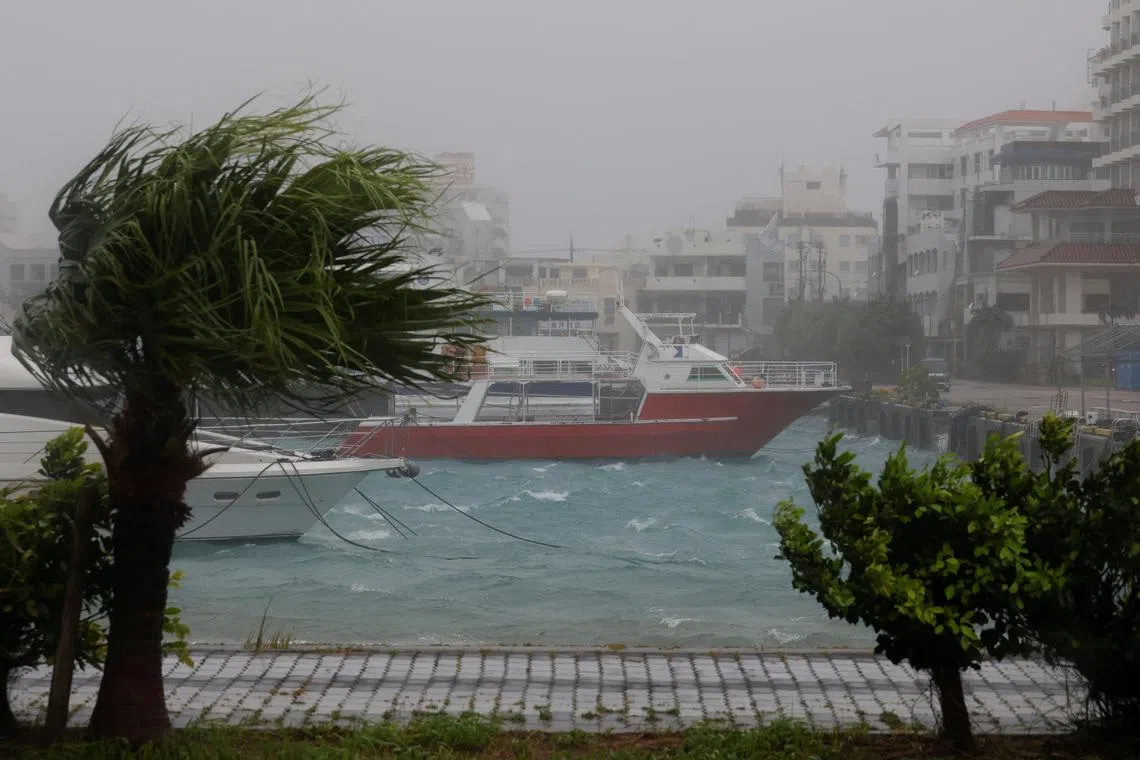
- Japan's Okinawa prefecture took sustained winds of 144 kph on the Sakishima islands, with 24,000+ households losing power and 345 flights cancelled.
- The Philippines reported at least 17 dead and 9 missing on Mindanao, including 10 killed in a landslide in Malapatan, Sarangani province, and 5 more in Lanao del Sur; over 500,000 were affected.
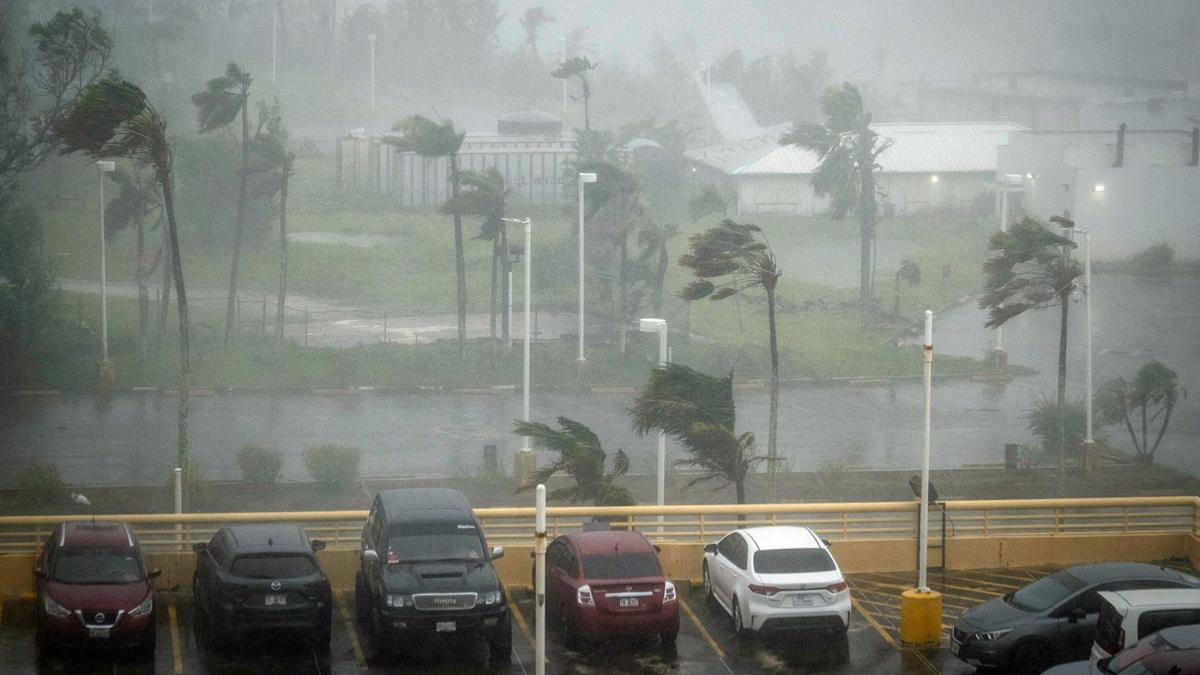
- Bavi originated as a super typhoon over US Pacific territories Guam and the Northern Marianas last week before tracking westward across the region.
- The storm has been downgraded from super typhoon status as it moves west, though Chinese authorities are bracing for continued inland impacts after landfall.
Why it matters: A single storm system triggered mass evacuations and casualties across four Pacific territories — 17 dead in the Philippines, 24,000 Japanese households without power, Taiwan's capital paralyzed, and 1.7 million Chinese evacuated in a single coordinated response — illustrating how Western Pacific typhoons now demand simultaneous multi-country disaster management at unprecedented scale.
Ask SkimNews