Bitcoin Now Front-Runs the Fed, Binance Finds — SkimNews
Get the Finance newsletter
Daily finance — markets, central banks, M&A, the prints that move money. Free.
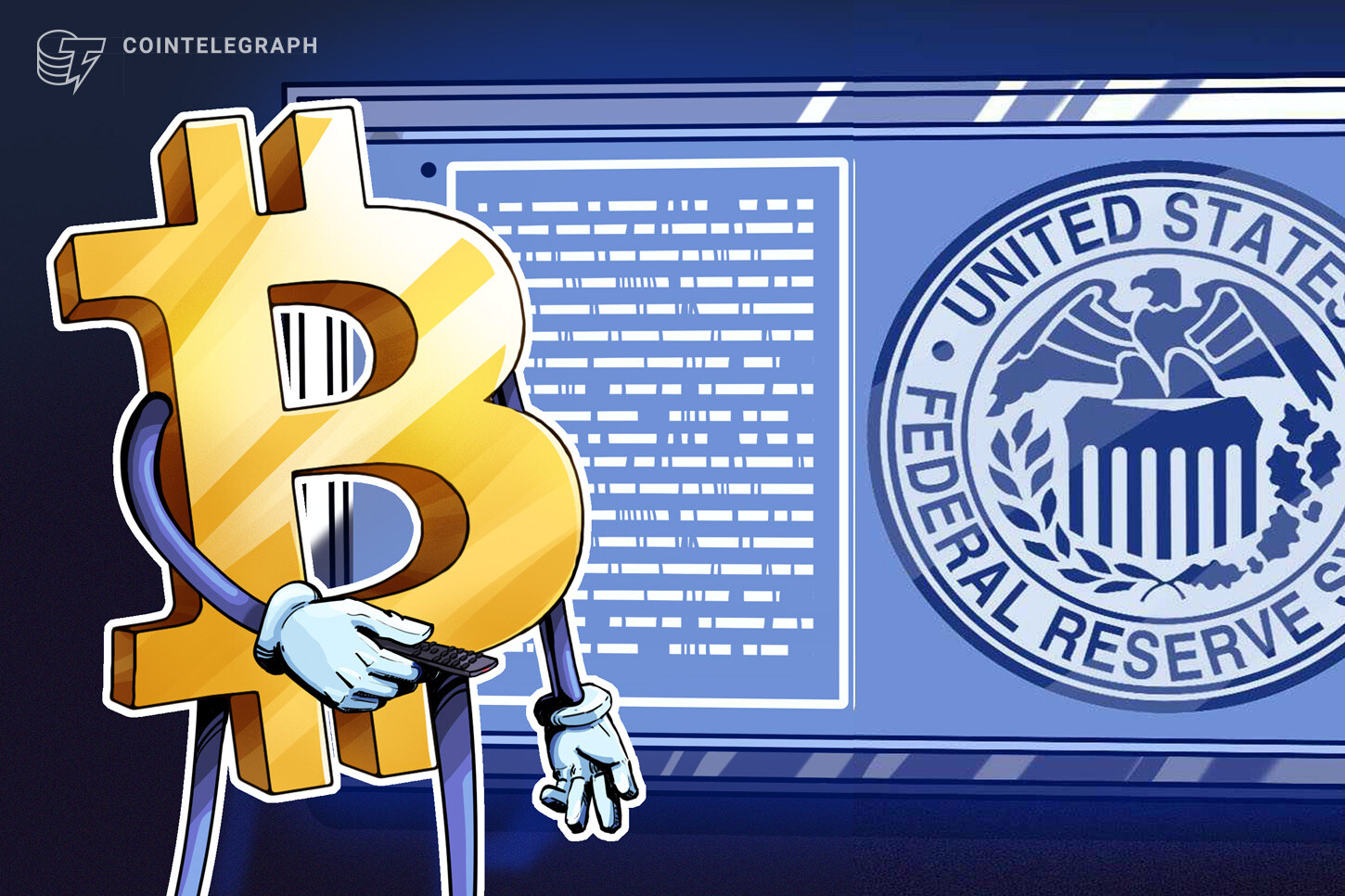
- Binance Research found Bitcoin's correlation with its Global Easing Breadth Index (tracking 41 central banks) has turned strongly negative since 2024, with the opposite effect now nearly three times stronger than the prior mildly positive relationship.
- Spot bitcoin ETFs, approved by the U.S. SEC in January 2024, are identified as the structural cause, shifting price discovery from retail traders reacting to macro news to institutions positioning months ahead of policy changes.
- Binance Research concluded that BTC "may have evolved from a macro 'lagging receiver' to a 'leading pricer,'" meaning crypto-native drivers like policy progress and institutional flows could matter more than the direction of monetary easing itself.
- Rate expectations have swung from projected cuts to possible hikes amid renewed stagflation fears tied to rising oil prices and Middle East tensions, a backdrop that historically pressured risk assets.
- Binance argues the current risk-off reaction may be overstated, noting that central banks have historically pivoted to support growth despite inflation spikes — a pivot Bitcoin would likely price earlier than traditional markets.
- In May, combined crypto exchange volumes fell 3.45% to $4.41 trillion, the lowest since September 2024, though RWA perpetual futures volumes rose 10.4% to a new all-time high against the broader trend.
Why it matters: For crypto traders, the implication is that by the time the Fed actually moves on rates, Bitcoin has likely already priced it in — making the Fed announcement itself a lagging catalyst rather than a driver. This inverts the old playbook of fading or front-running Fed decisions, and means institutional ETF flows and crypto-specific policy signals (SEC actions, legislative progress) may now be the leading indicators worth tracking over macro data prints.
Ask SkimNews