Putin Admits Fuel Crisis as Ukrainian Drones Hit 1,500 Miles Inside Russia — SkimNews

Get the Geopolitics newsletter
Daily geopolitics — wars, elections, sanctions, the diplomatic moves that move markets. Free.
- Putin made a rare public admission of weakness, telling the Kremlin in June that Ukraine's drone strikes on energy infrastructure have created "a certain shortage" of fuel — adding, "it's not critical," though rationing has already been introduced in multiple regions.
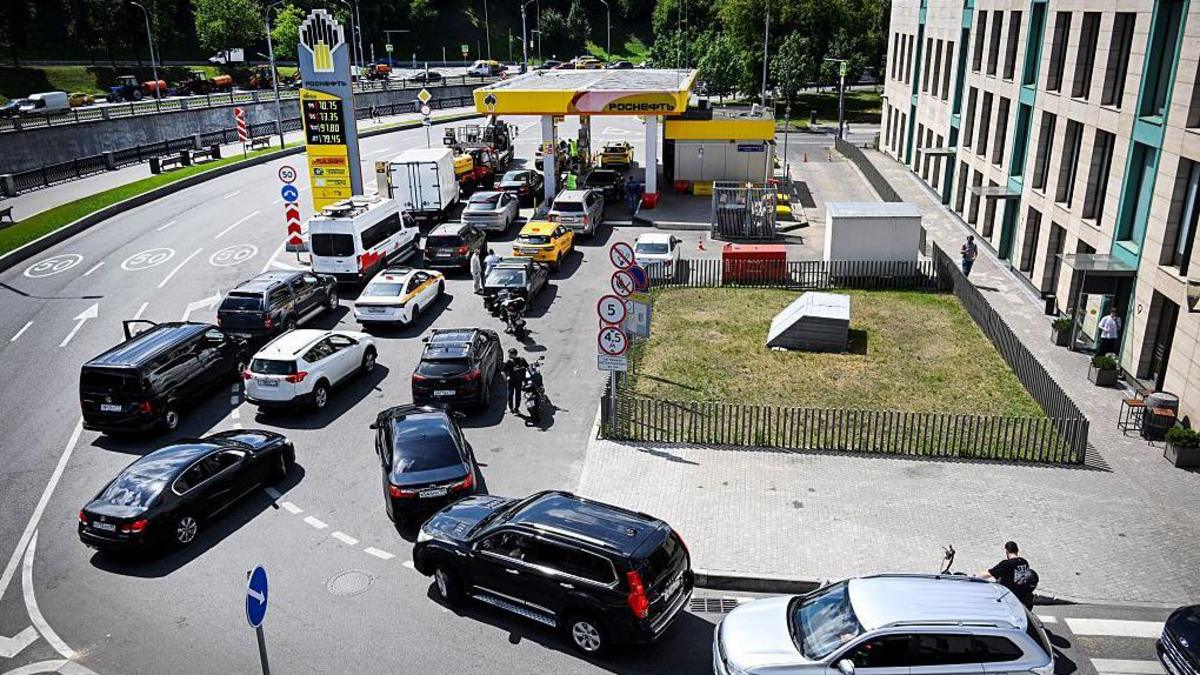
- Muscovites interviewed by BBC News described hour-long lines at gas stations, with one resident, Elmar, saying the situation is "very bad" and another, Valery, calling it "bizar" that the world's third-largest oil producer is running short of fuel.
- Ukrainian drones struck Russia's largest oil refinery in Omsk for the first time on Monday — located roughly 1,500 miles from the Ukrainian border — with independent outlet Agentstvo estimating that ~85% of Russia's oil refining capacity is now within drone range.
- Russia's energy sector accounts for about 30% of its budget revenues, making the refineries central to financing the war in Ukraine while also bearing the brunt of Western sanctions imposed since the February 2022 invasion.
- Moscow saw lines of cars and lorries at nearly every gas station, per BBC reporting, with residents telling the outlet "that meant the garage had run out of fuel entirely and was closed."
- Russia's broader fuel picture includes wholesale price hikes and regional rationing, while the Omsk attack signals that Ukraine's campaign is reaching deeper into Siberia — far beyond previous strike zones.
Why it matters: Russia's energy industry funds roughly 30% of its budget and underwrites the war in Ukraine; with ~85% of refining capacity now within Ukrainian drone range and the Omsk strike reaching 1,500 miles inside Russia, the domestic political cost of the war is landing directly on motorists who face hours-long fuel queues — turning a wartime revenue stream into a source of popular anger at the Kremlin.
Ask SkimNews