Saudi Tankers Reverse Course in Red Sea as Houthis Declare Blockade

Get the Geopolitics newsletter
Daily geopolitics — wars, elections, sanctions, the diplomatic moves that move markets. Free.
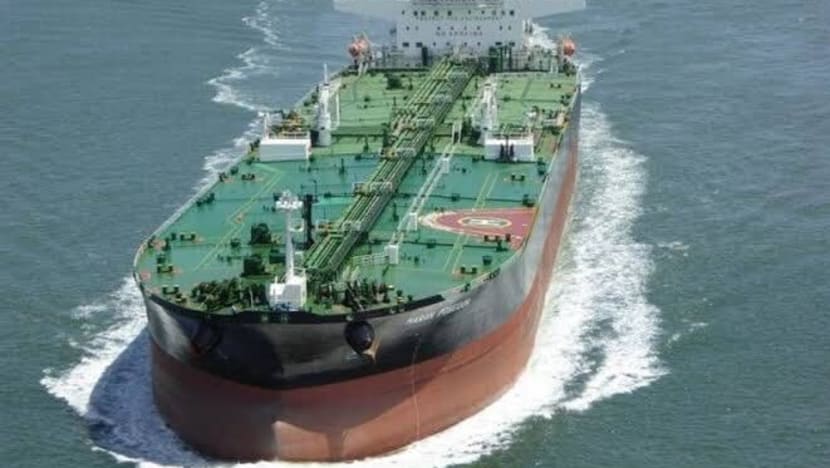
- Two Saudi oil tankers bound for China and India reversed course in the Red Sea on Tuesday after loading crude at the Saudi port of Yanbu, with British maritime risk group Vanguard calling it the first confirmed rerouting since the Houthi embargo.
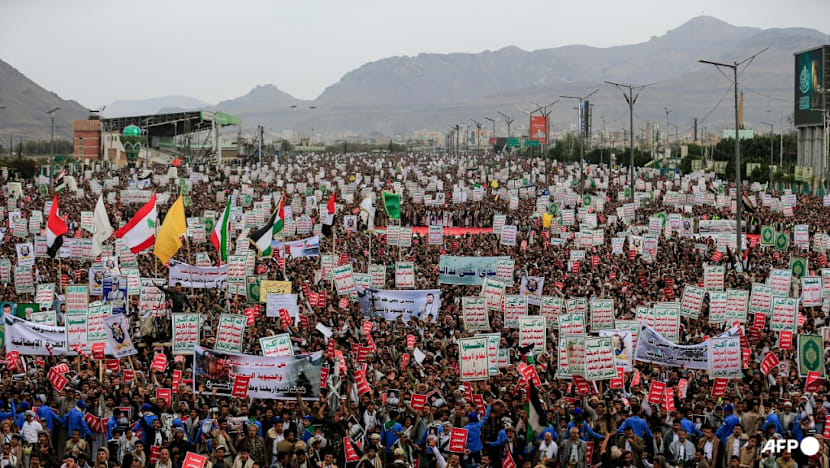
- The Houthis, who control Yemen's Red Sea coast, announced a naval blockade on Saudi Arabia on Monday and threatened to attack any ships that load or discharge Saudi oil.
- President Trump said the Houthis had not yet shut the Bab el-Mandeb strait — the "Gate of Tears" connecting the Red Sea to the Gulf of Aden — but warned "if something like that happens, we take care of it."
- Oil prices rose more than 2% on Tuesday, with Brent crude hovering above $91/barrel and U.S. gasoline back over $4/gallon.
- Secretary of War Pete Hegseth told senators the war has cost $37.5 billion so far and requested another $70 billion in supplemental funds, in part to replenish missile supplies.
- 18 U.S. service members have now been killed in the war, including four in Iranian attacks on U.S. bases in Jordan and Iraq over the past several days.
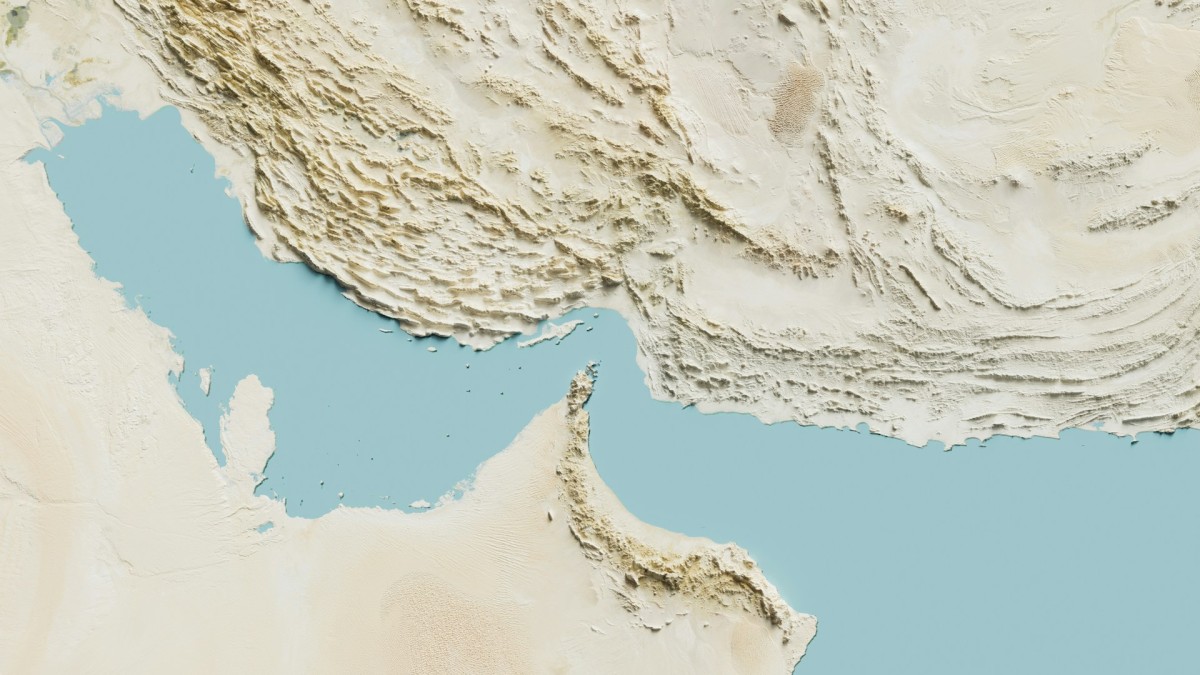
- A tanker in the Strait of Hormuz was struck by a projectile on Tuesday and its crew abandoned ship, while only four commodity vessels crossed the strait on Monday — down from seven the previous day.
Why it matters: Saudi Arabia had been routing oil through Yanbu and the Red Sea as an alternative after the Strait of Hormuz was shut by the wider U.S.-Iran war — a full Houthi closure of Bab el-Mandeb would trap most Saudi crude exports, tighten global supply, and push Brent above $91/barrel and U.S. gasoline back over $4/gallon, with Trump signaling U.S. military intervention to keep the strait open.