West Asia conflict: Why has Iran called for ‘human chains’ to counter U.S.?
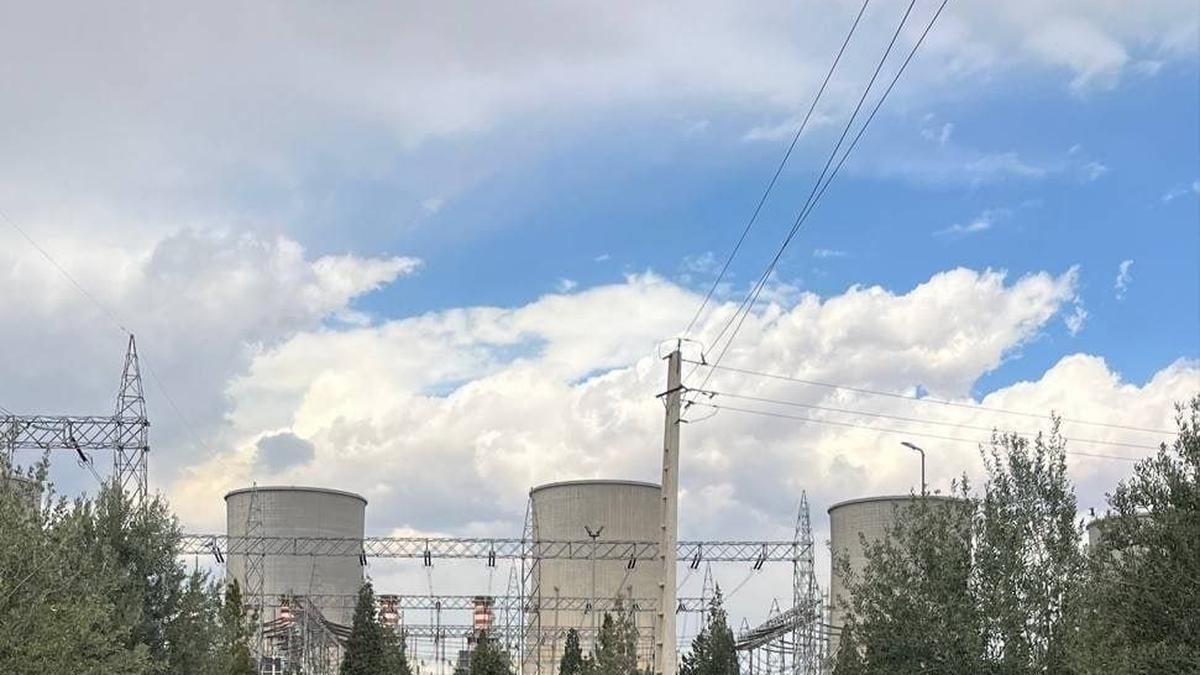
Why it matters: The U.S. deadline for Iran to reopen the Strait of Hormuz expires on April 8, 2026, at 3:30 a.m. local time.
- Iran's Deputy for Youth Affairs, Alireza Rahimi, has urged youth, artists, and organizations to form human chains around power plants and nuclear sites, citing that attacks on public infrastructure constitute a war crime.
- U.S. President Donald Trump has threatened to strike Iranian infrastructure "extremely hard" and send the country back to the "Stone Age" if the Strait of Hormuz is not reopened by the "final" deadline of April 8, 2026, at 3:30 a.m. local time.
- The Islamic Republic of Iran Broadcasting highlighted prominent tar player Ali Ghamsari stationing himself at the Damavand power plant near Tehran as part of the human chain initiative.
- The U.S. and Israel launched a wave of airstrikes on Iran on February 28, 2026, leading to the immediate closure of the Strait of Hormuz and subsequent global price increases for fuel and other commodities.
- The Hindu reports that Sri Lanka has introduced fuel subsidies to provide economic relief to its citizens amidst the ongoing West Asia conflict and rising global prices.
As a U.S. deadline to reopen the Strait of Hormuz looms, Iran has called for citizens to form "human chains" around key infrastructure, including power plants and nuclear sites, to deter threatened American strikes. This symbolic act comes after U.S. President Trump dismissed war crime accusations, vowing to hit Iran "extremely hard" if the strait remains closed, a move that has already driven up global commodity prices and prompted Sri Lanka to introduce fuel subsidies.