Free Waymo Rides in California? You Can Thank a Regulatory Quirk — SkimNews

Get the Tech newsletter
Daily tech — startups, AI labs, chips, the launches that shape the next decade. Free.
- Waymo applied to the California Public Utilities Commission in January to expand service and add its Ojai vehicles to the fleet, but the agency extended its review through September 25 with the request still under review, spokesperson Terrie Prosper said.
- CPUC asked Waymo in May for more information on emergency response — following a December San Francisco power outage that stranded more than 60 Waymos — and on how it prevents unaccompanied minors from riding, after a labor union representing ride-hail drivers filed a formal complaint.
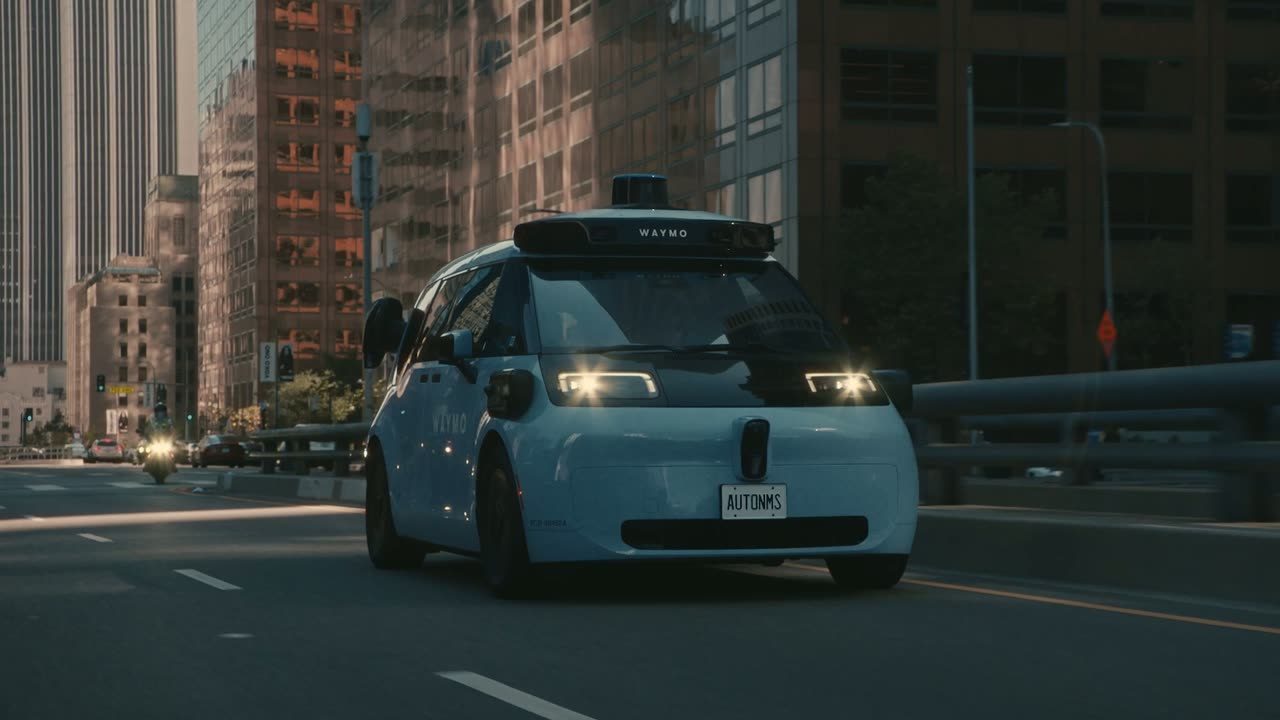
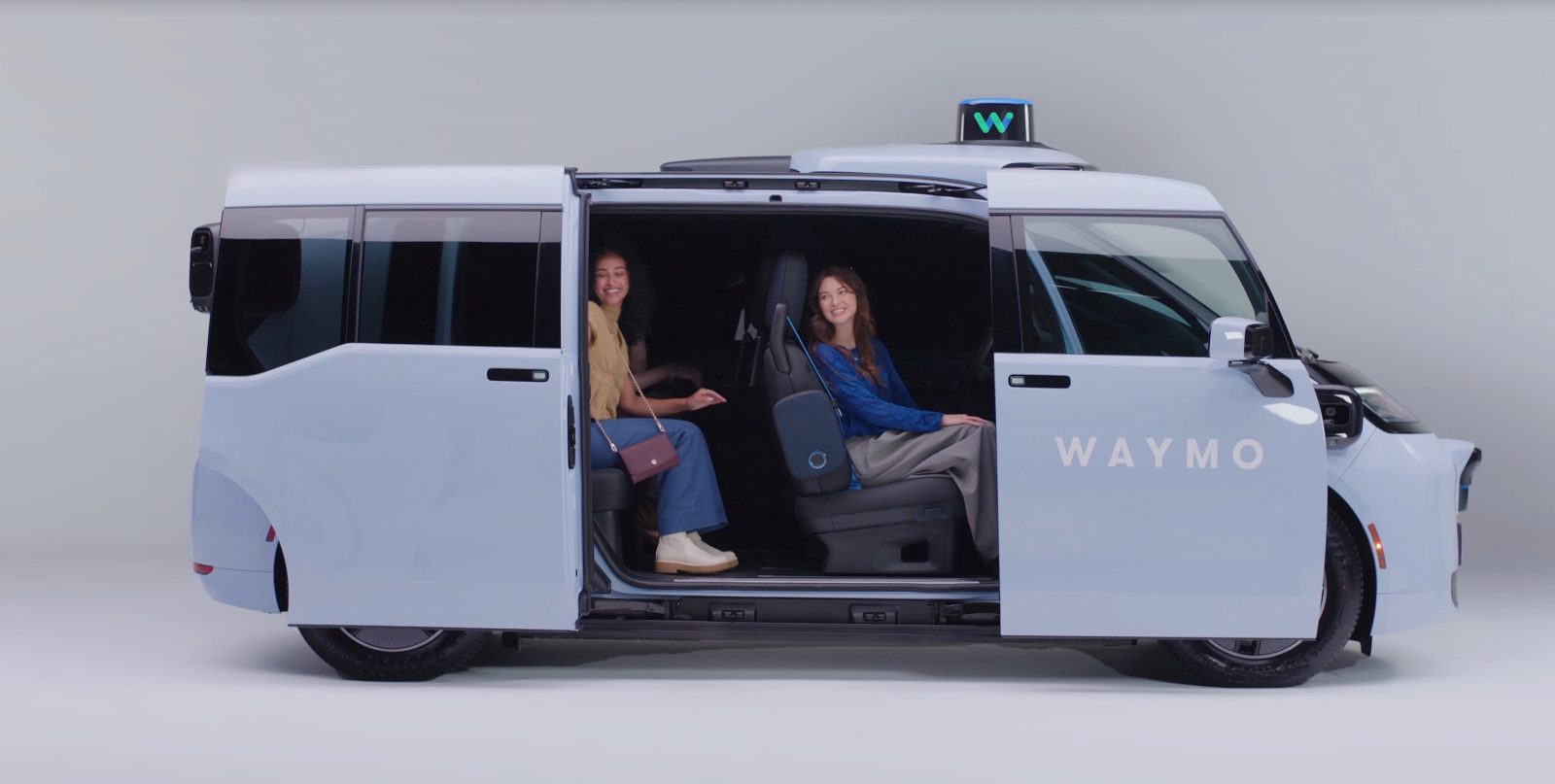
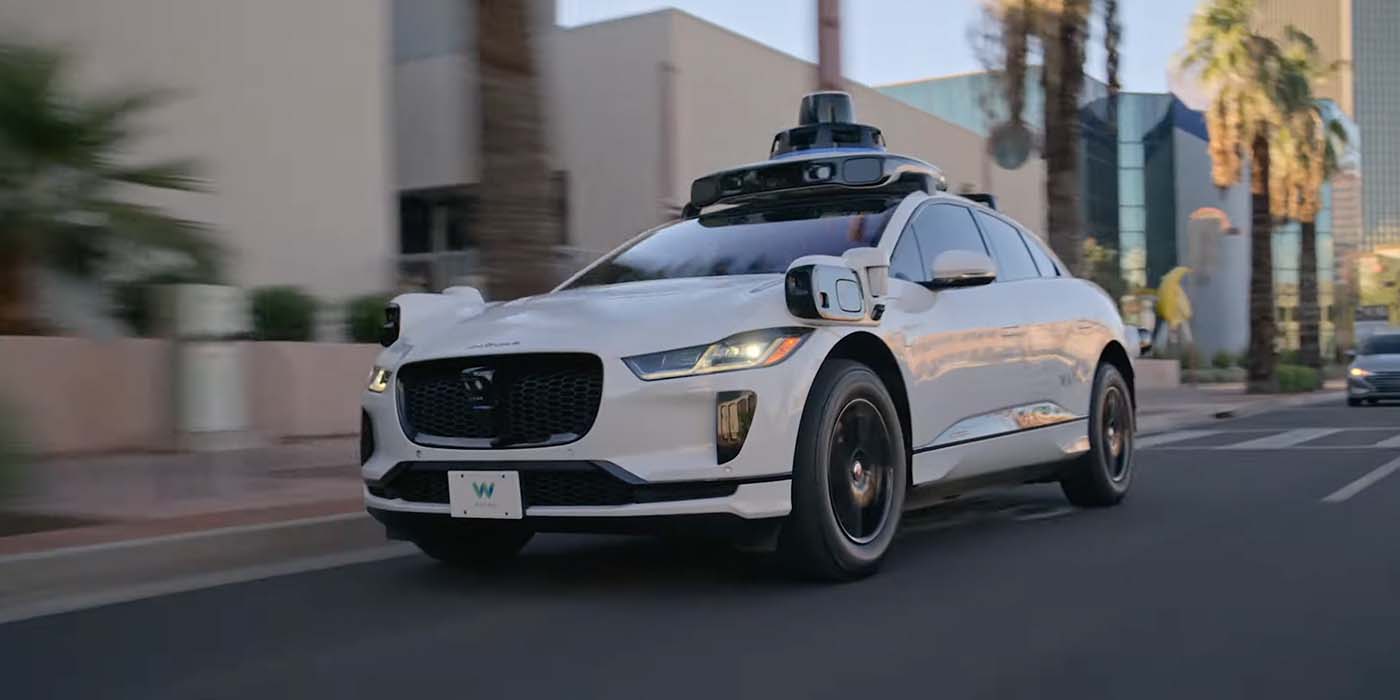
- Waymo cannot charge passengers for rides in its Ojai vehicles until the CPUC approves its application, meaning those trips could remain free beyond September 25 even as the company continues to charge for rides in its Jaguar I-Pace robotaxis, which make up the majority of its fleet.
- The proposed expansion would stretch Waymo service from Sea Ranch and Sacramento in Northern California through Berkeley, Oakland, and San Jose, and in Southern California from Los Angeles past Thousand Oaks and Santa Clarita down past San Diego to the Tijuana border.
- The Ojai, Waymo's first purpose-built driverless taxi manufactured by Chinese company Zeekr, is equipped with 13 cameras, six radar systems, and four lidar sensors; Waymo says it avoids a ban on Chinese-connected automotive tech set for next year because Zeekr only makes the shell while connected systems are built and added in the US.
- Waymo is also holding off on charging for Ojai rides in California until it is satisfied with progress through its Trusted Tester program in California and Arizona, spokesperson Ethan Teicher said.
Why it matters: California riders are getting free robotaxi rides in Waymo's newer vehicles essentially because the state's two-layered regulatory process — DMV permission plus CPUC authorization to charge — has stalled, with the CPUC now weighing labor union complaints about unaccompanied minors alongside emergency-response questions raised by December's stranded-Waymo incident, leaving Waymo's fleet expansion and pricing in limbo until at least September 25.
Ask SkimNews