What in the World?

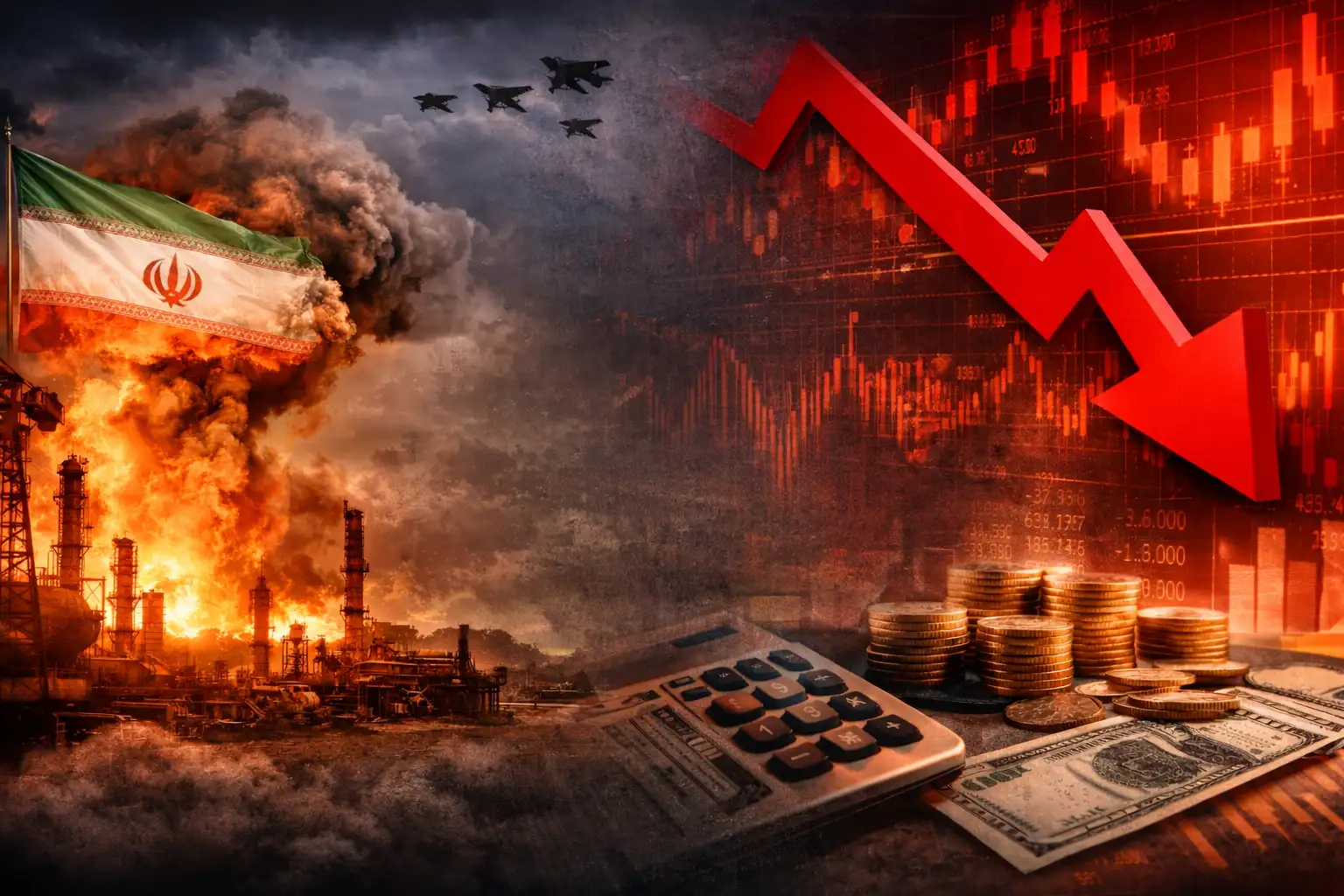
Why it matters: The Iran war is directly causing rising energy bills and food prices for consumers in the Philippines and Egypt.
- The Philippines endorsed a 30-day price ceiling on a key good to curb rising food and fuel costs, implementing fuel subsidies and public transportation expansion, as reported by FP’s Joseph Rachman.
- Egypt enacted a month-long policy to dim streetlights and close businesses early, addressing the energy crisis sparked by the Iran war, according to FP’s Nosmot Gbadamosi.
- Afghanistan and Pakistan each took escalatory steps, intensifying their conflict at a sensitive time for Pakistan, which is trying to mediate the U.S.-Israel-Iran war, notes FP’s Michael Kugelman.
- Russia expelled a British diplomat amid a broader crackdown on internet access, as detailed by Alexey Kovalev.
- The United States saw the average price of a gallon of gas cross a notable threshold for the first time since 2022, with war-related energy market disruptions potentially worsening if Houthis threaten Red Sea shipping, FP’s Keith Johnson reports.
- U.S. President Donald Trump is considering a response to allies' reluctance to join the war against Iran, despite Raphael S. Cohen's argument that the war is going reasonably well for Israel and the U.S.
- Mexico's president appointed Roberto Velasco, an expert in an unspecified field, as the new foreign minister amidst increased U.S.-Mexico tensions, including Washington's economic blockade of Cuba, as Oscar Lopez wrote.
- Myanmar junta chief Min Aung Hlaing was elected president, formalizing his hold on power.
The week of March 28 saw global energy markets in turmoil due to the Iran war, leading to price ceilings in the Philippines and energy conservation policies in Egypt. Meanwhile, geopolitical tensions escalated with Russia expelling a British diplomat and intensified conflict between Afghanistan and Pakistan, even as Pakistan attempts to broker peace in the U.S.-Israel-Iran war.