Hungary's Orbán accused of disloyalty and blackmail over Ukraine loan veto
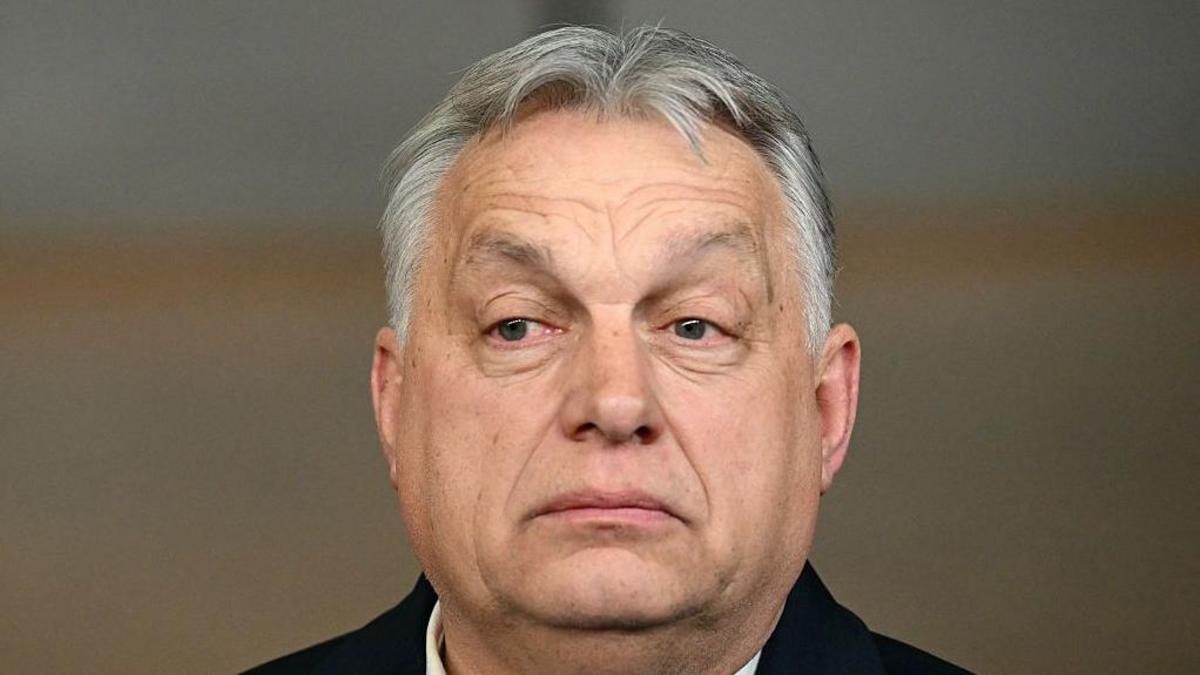
Why it matters: This veto exposes deep EU divisions, jeopardizes Ukraine's vital aid, and highlights Russia's lingering influence.
- Hungary's Prime Minister Viktor Orbán blocked a €90bn EU loan for Ukraine, citing a dispute over the damaged Druzhba pipeline, which he claims Ukraine has failed to repair.
- German Chancellor Friedrich Merz and European Council head António Costa condemned Orbán's actions as a "gross act of disloyalty" and "blackmail," respectively, with Costa asserting that "Nobody can blackmail the European institutions."
- Ukraine states the pipeline was damaged by Russian air strikes and repairing it would take weeks, while also noting that restoring oil flow would be akin to lifting sanctions on Moscow.
- Orbán remained resolute, stating on X, "As long as @ZelenskyyUa does not lift the oil blockade, they will not receive any money from Brussels," despite approving the decision at an earlier meeting.
- Slovakia's Prime Minister Robert Fico, another Russian ally, also refused to endorse the summit's conclusions, highlighting a lack of unanimity required for the funds' release.
- European Commission President Ursula Von der Leyen and France's President Emmanuel Macron vowed the loan would be delivered "one way or the other" and "without delay," signaling determination to bypass Hungary's veto.
Hungarian Prime Minister Viktor Orbán is facing accusations of "disloyalty" and "blackmail" from EU leaders, including Germany's Merz and European Council head Costa, after he vetoed a €90bn loan for Ukraine. Orbán, maintaining close ties with Russia, links the veto to an unresolved dispute over a damaged pipeline transporting Russian oil to Hungary, a stance Kyiv attributes to Russian airstrikes and views as a potential sanction lift.