US Fast Charging Enters 'Charging 2.0' as Growth Cools
Get the Energy newsletter
Daily energy & climate — solar, EVs, oil, the policy fights and tech bets shaping the transition. Free.
- Tesla led Q2 2026 with 1,185 new DC fast-charging ports — 27% of all US additions — followed by Walmart (368), ChargePoint (333), and Red E (315).
- US fast-charging deployment decelerated: 4,382 new ports in Q2 2026, down 10% year-over-year from 4,865 in Q2 2025; H1 2026 totaled 7,903 vs. 8,532 in H1 2025, a 7.4% decline.
- Tesla is opening more but smaller stations, averaging 12.1 ports per new site (down from 15.0 a year earlier), while non-Tesla networks grew station size to 4.4 ports per site (up from 3.6).
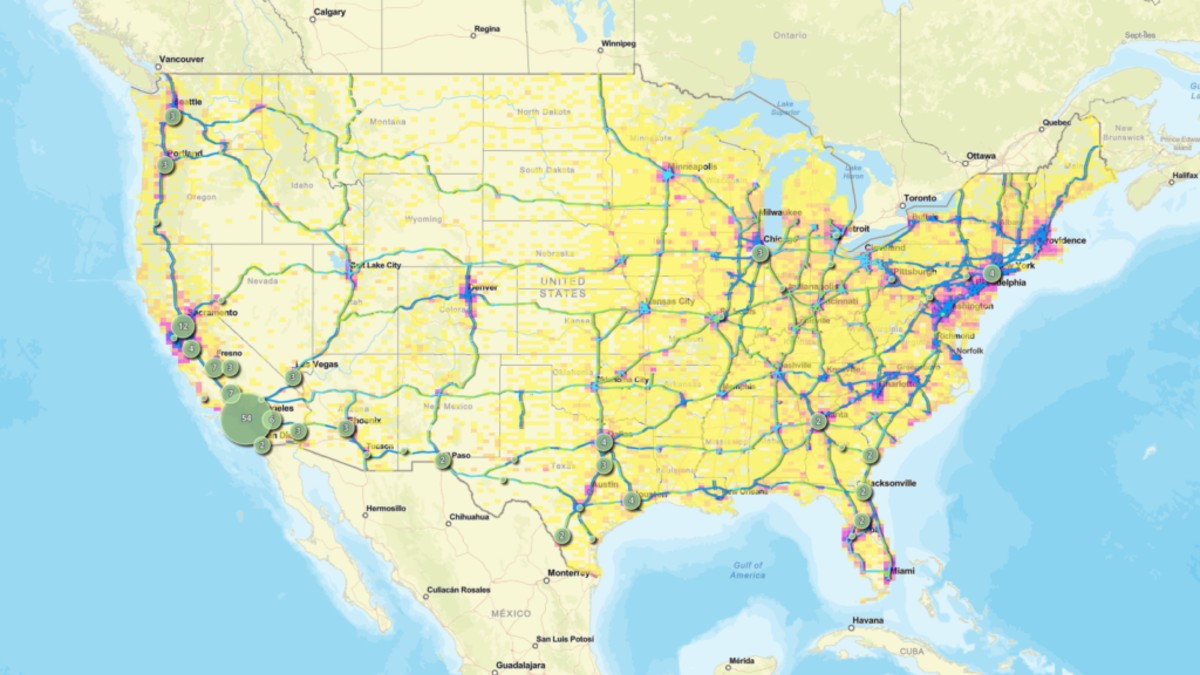
- Urban buildout dominated: 806 new public fast-charging stations opened in Q2, with roughly 4 in 5 in cities and suburbs; California, Texas, Florida, Illinois, and New York accounted for ~40% of new stations, and California alone represented 1 in 7.
- Charging speeds climbed: 72% of new ports installed in Q2 deliver at least 250 kW, while only 14% offer under 150 kW — ultra-fast charging is now the industry norm.
- Pricing diverged sharply by state: the national average held at $0.538/kWh, with Hawaii highest at $0.856/kWh and Nebraska lowest at $0.428/kWh.
- Demand kept pace with supply: charging sessions rose 3.5 million year-over-year, but sessions per port stayed flat; reliability edged up from 93.6 to 93.8 as newer stations outperform legacy sites.
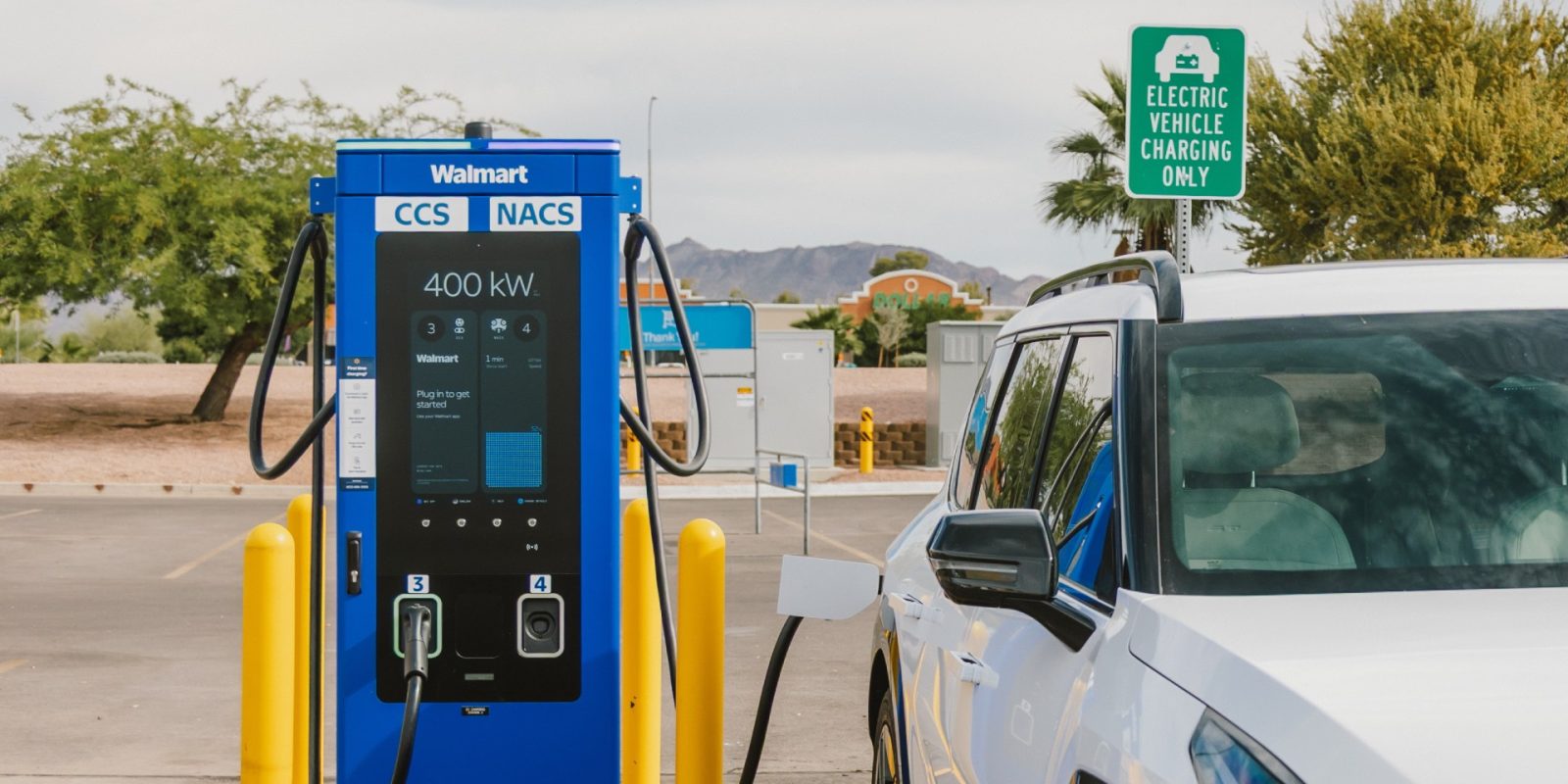
- The NACS shift is accelerating: Paren warns operators slow to add NACS connectors risk losing customers, since nearly every new EV sold today ships with a native NACS port.
Why it matters: With sessions up 3.5 million year-over-year but utilization flat and deployment down 10%, charging networks face a profitability squeeze as investors demand returns beyond raw expansion. Newer entrants (Ionna, Red E, Mercedes-Benz HPC, Pilot Flying J) are racing to build nationwide footprints while legacy CCS-heavy operators risk irrelevance — and nearly every new EV now ships with a native NACS port, making connector mix a near-term competitive lever.