McAllister: Trump-Balogun ruling risks football 'cesspit' — SkimNews
Get the Sports newsletter
Daily sports — scores, transfers, the storylines from the leagues you actually follow. Free.
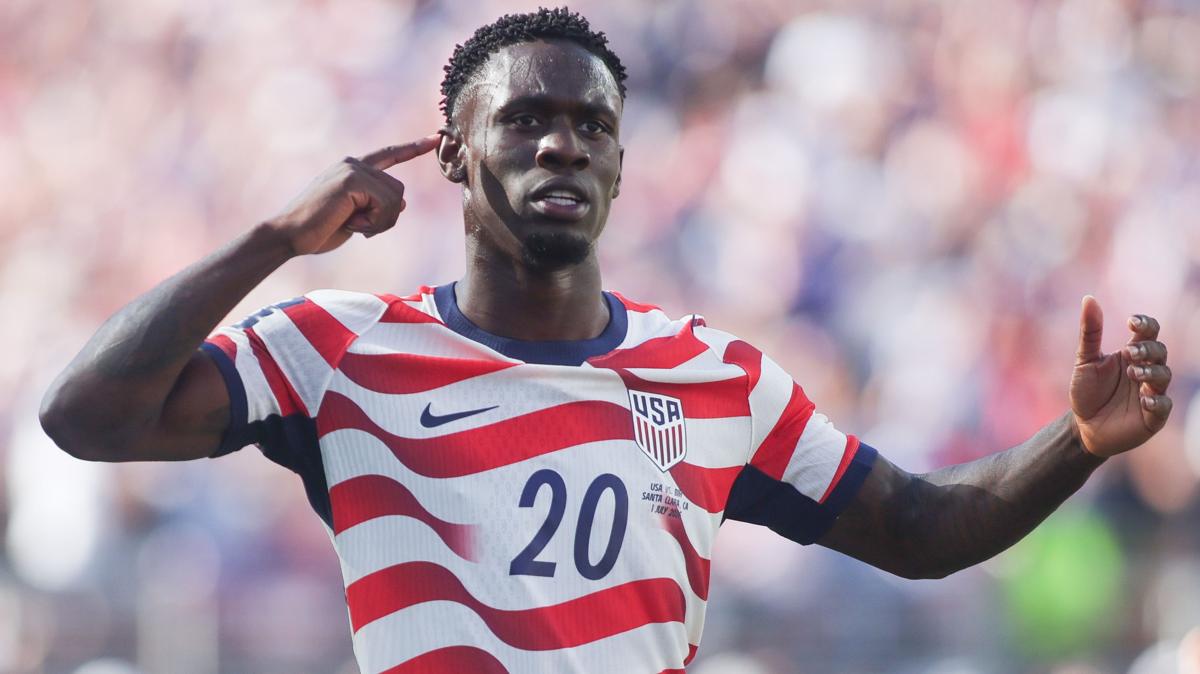
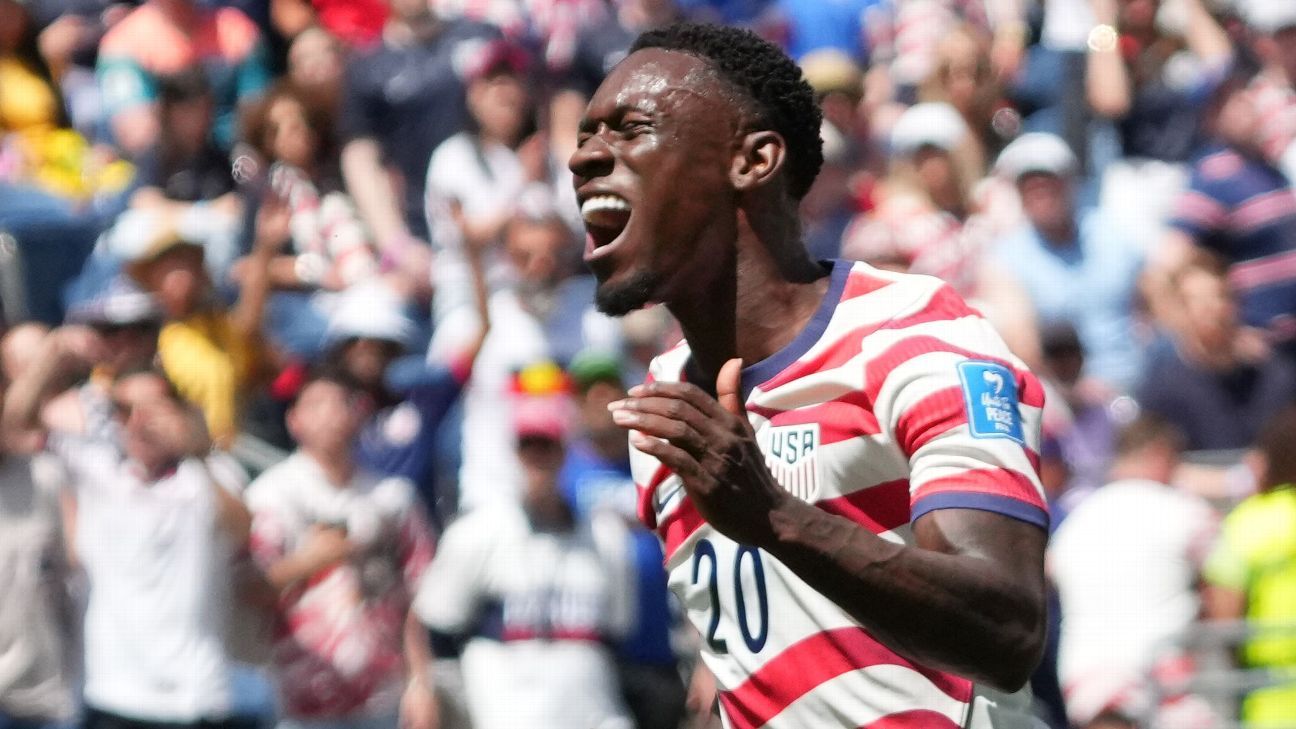
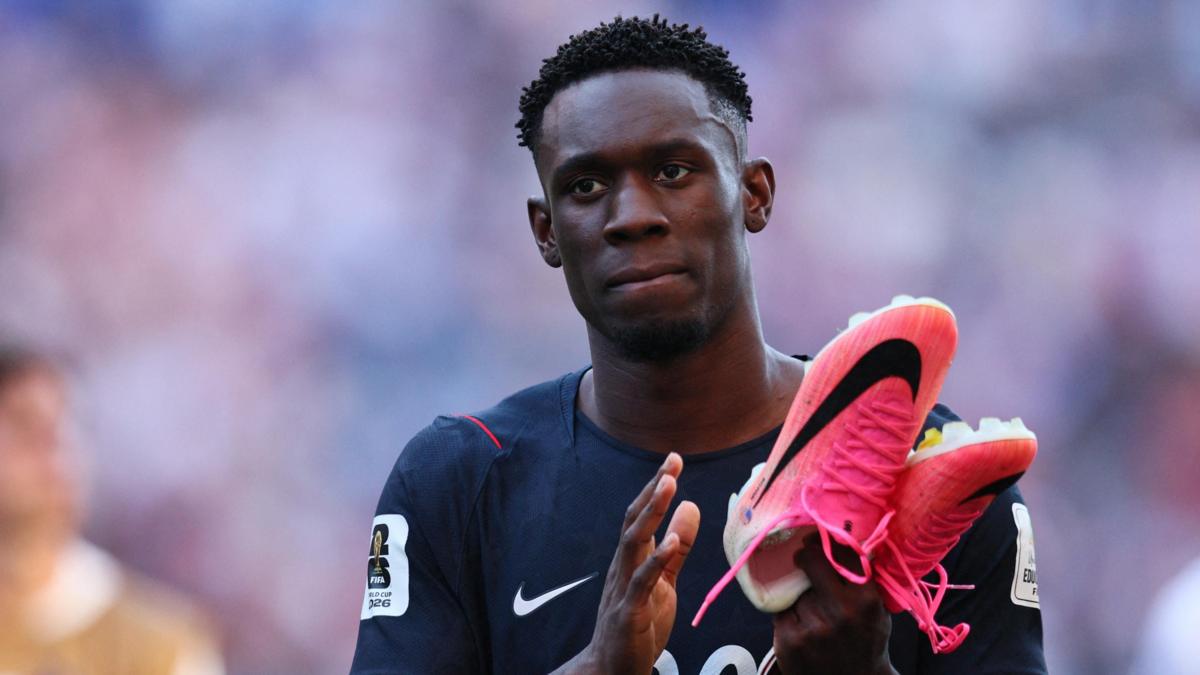
- Folarin Balogun had his one-game ban for a red card against Bosnia-Herzegovina suspended by FIFA after Trump personally asked for a review, and the Monaco striker then featured in the USA's last-16 tie against Belgium.
- Donald Trump publicly said he asked for the dismissal to be reviewed because he "didn't think it was a foul," and FIFA president Gianni Infantino confirmed he received the call and replied that "an ongoing legal process involving FIFA's independent judicial bodies" would decide the case.
- UEFA expressed "disbelief at such an unprecedented, incomprehensible and unjustifiable decision" and said intervening to cancel a suspension "crossed a red line," with Uefa vice-president Laura McAllister warning any political leader could now appeal on-field punishments.
- Laura McAllister told BBC Radio Wales that Infantino was "trapped into this vortex of a relationship with Trump" needed to secure the World Cup, and said Trump was given status "well beyond the leader of a host country" despite the tournament having three co-hosts.
- Former FIFA president Sepp Blatter, who was replaced by Infantino in 2016 after a corruption scandal, wrote on X that "football must never become a playground for political power."
- Despite Balogun playing, the USA were knocked out 4-1 by Belgium in Seattle, with Belgium midfielder Nicolas Raskin citing a "sense of injustice" and Belgium's official Instagram mocking the decision by posting a Lukaku photo captioned "overturn this."
Why it matters: FIFA's reversal of Balogun's suspension at the direct request of a sitting US president establishes a precedent that any political leader can now lobby to overturn on-field disciplinary decisions — undercutting the "independent judicial bodies" process Infantino himself cited. With the 2026 World Cup carrying three co-host nations and massive political stakes, UEFA's public "red line" statement gives European leagues concrete ammunition to challenge FIFA's autonomy in future governance fights.
Ask SkimNews